
Test the Grand Continent—the ideas and analyses you won’t find anywhere else. But you’ll see them everywhere soon. In your inbox from 8 euros a month
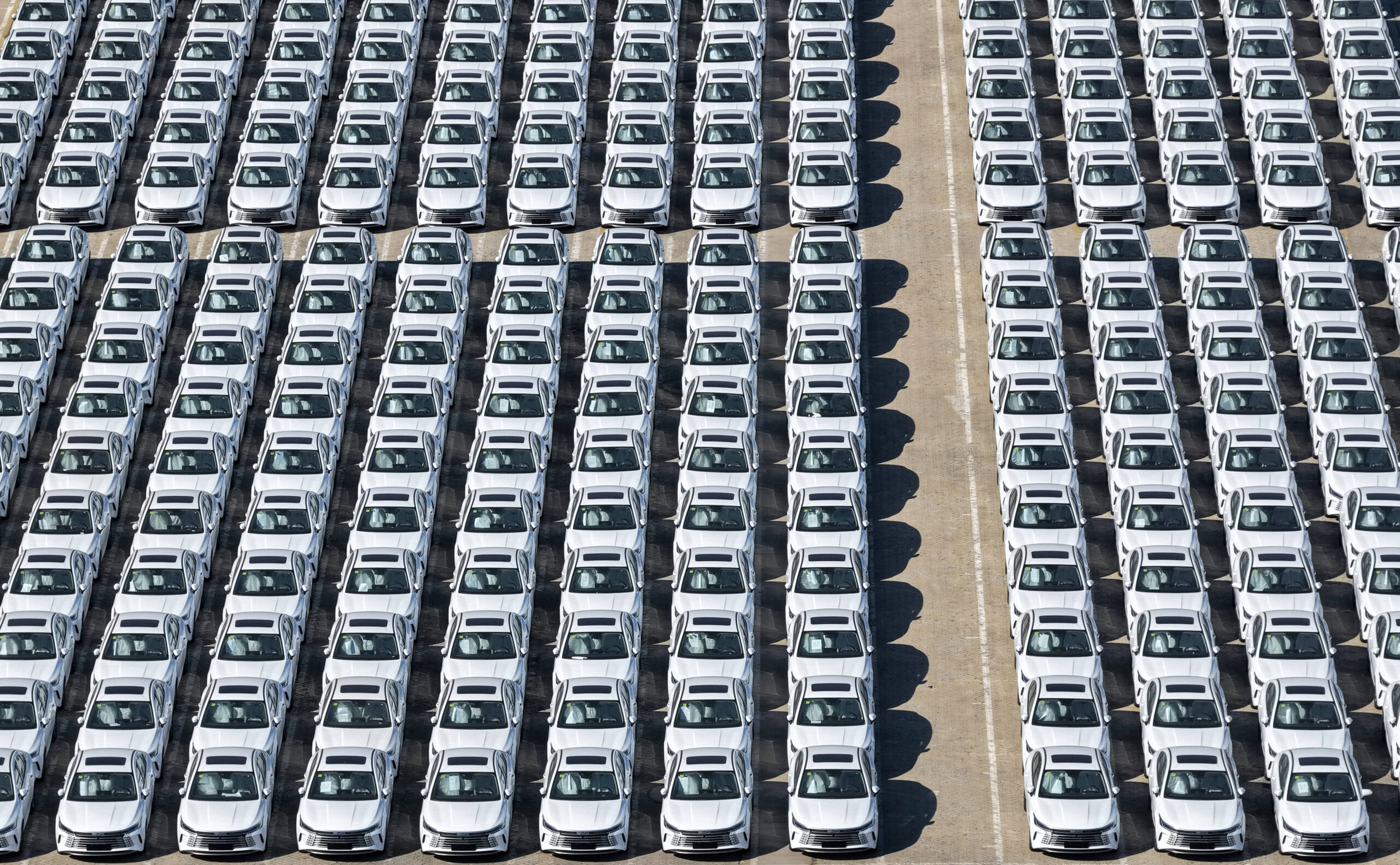
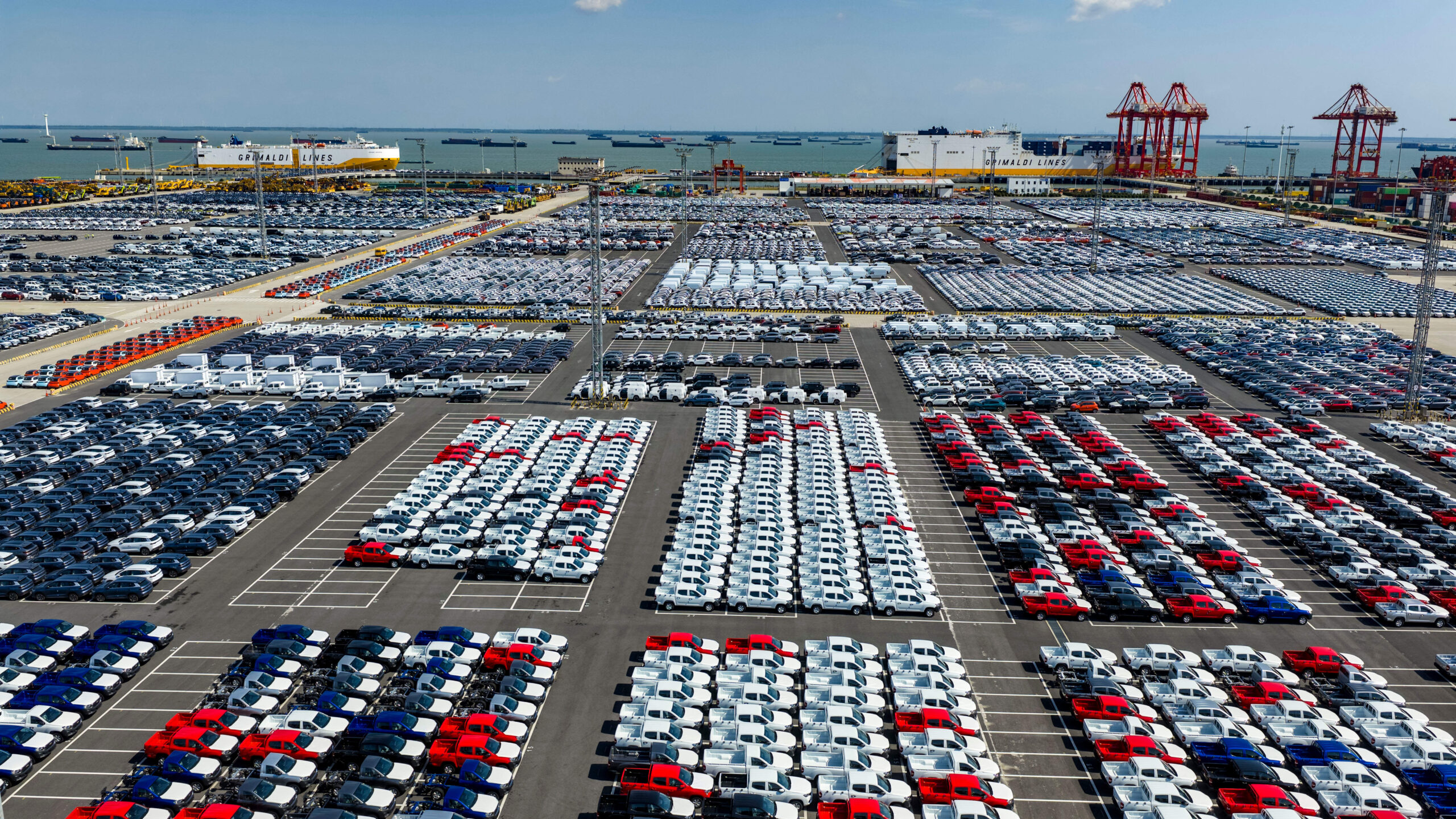
Europe’s automotive industry is facing fierce competition. In a few years, despite the new tariffs on Chinese electric vehicles implemented in October 2024, brands previously little known—Geely, Xpeng, BYD, Neo, or Chery—captured 7% of the European Union market and seem on track to reach 10%. Globally, their rise is even more dramatic: they exported 7.1 million cars in 2025, including 2.5 million electric vehicles, and their sales doubled in just one year. Since the pandemic, China has surged to the top of the electrification of transport market: it now accounts for two-thirds of the world’s EV market. The EU lags far behind, holding only 15% of this new market. While in China electric vehicles have become a key export sector with growth rate dizzying, driven by disruptions in global oil supply, in Europe they are now associated with the automotive industry’s unprecedented crisis.
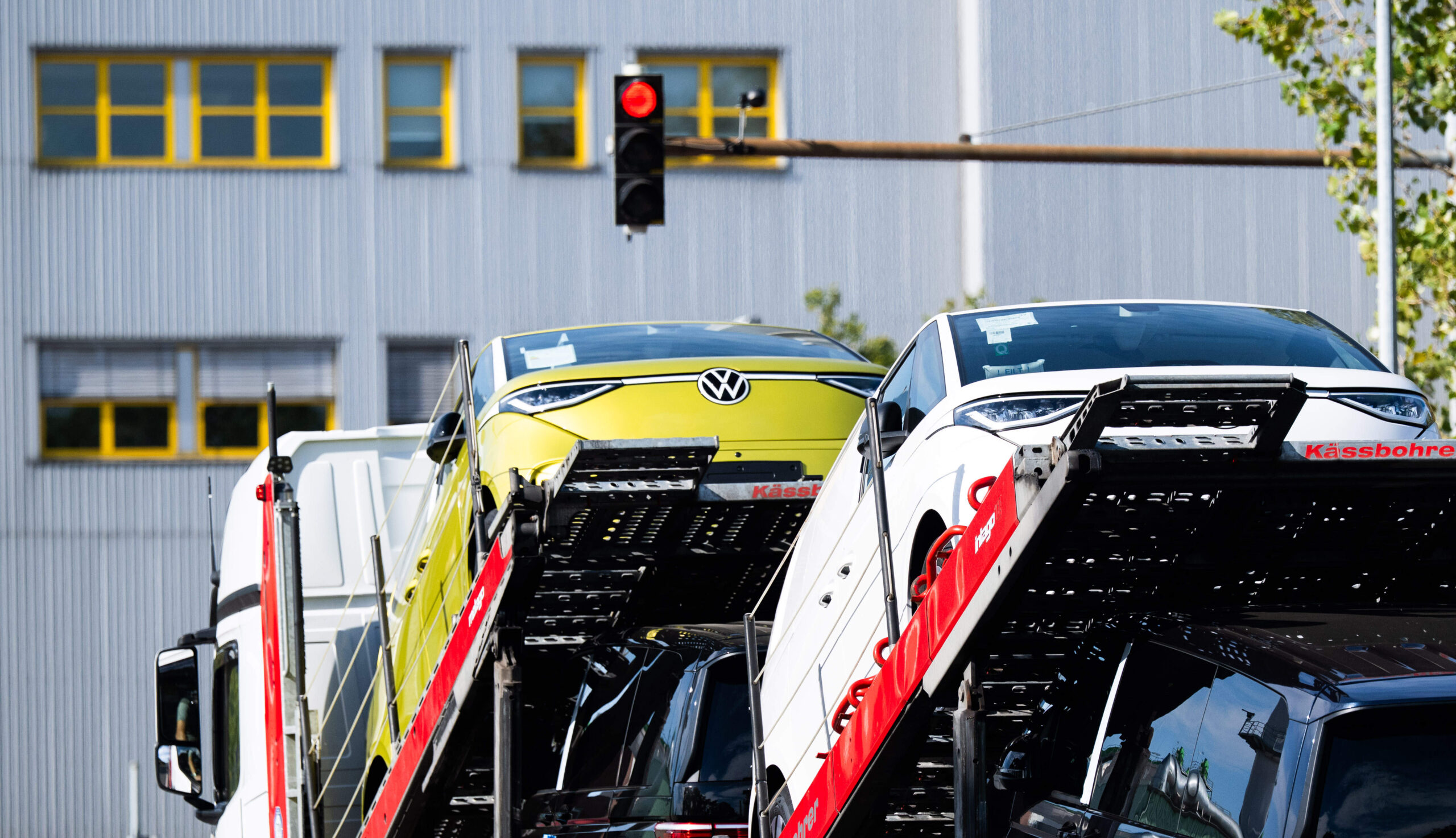
There is much talk of a “China shock 2.0.” In the automotive sector, nothing here is hypothetical. And, unlike the first shock, which mainly affected lower- and mid-tech manufacturing segments, this one is more painful. It hits at the heart of the competitive advantages Europe believed it would retain: automotive, auto parts, renewable energies, and electronics, while sectors that the Union views as its bottlenecks in facing China—pharma, long-haul aircraft engines—could themselves face Chinese disruption in the near future. These are precisely the sectors where a large portion of European innovation is concentrated, generating profits reinvested into research and the plants of the future, and paying the skilled wages that sustain entire industrial regions. Losing ground in these areas amounts to losing the portion of the economy that finances and strengthens the other capacities.
How can this historic reversal be explained? For more than a century, Europe housed some of the world’s most advanced automakers, the densest supplier networks, the largest financial institutions, and the most innovative public-institution patent-generating networks. With few hydrocarbons and exposed to Russian energy blackmail, Europe had every reason to decarbonize its transport quickly. Yet it is precisely in this area that the continent fell behind China, whose carmakers were still invisible fifteen years ago.
The “Great Greenlash”
Europe’s industrial policy has undergone a “greenlash”: not a blanket rejection of decarbonization as in Trump’s United States, but rather an attempt to slow down or soften the technological commitments that would enable this transition. European carmakers and their trade association, the ACEA, have multiplied calls for greater “technological neutrality” and looser CO2 rules. They have also argued to preserve after 2035 hybrids, synthetic fuels, and internal combustion engines (ICEs), claiming that weak charging infrastructure, uneven consumer demand, and high production costs make a rapid transition economically dangerous.
Friedrich Merz subsequently placed this argument at the center of Germany’s role in the European debate: while insisting that electrification remains the long-term path, he has argued since taking office that there should be no “hard stop” for ICEs in 2035. Electrification is already a reality for Chinese carmakers, so this “long-term” horizon is surprising. This “greenslash” appears as an admission of failure of the industrial transformation, but also as a politically understandable move aimed at protecting employment, supplier networks, and irrecoverable capital.
Yet the risk of this “greenlash” is twofold. First, it misidentifies the causes of the crisis, attributing them to Europe’s decarbonization ambitions under the Green Deal and the many initiatives that followed, rather than to a green industrial policy that was too timid. Second, surrendering to the argument of “technological neutrality” at a moment when the global car market outside the United States is anything but neutral technologically could preserve short-term assets but also make long-term catching up in technology harder.
Chinese subsidies or the Chinese entrepreneurial spirit?
Two narratives haunt Europe today. The first, championed by the Commission and several member states, contends that Europe’s problems stem from massive, unfair Chinese subsidies and planned price wars that create overcapacity among Beijing’s champions. This argument is not unfounded, but on its own it does not fully explain the deeper causes of the shift.
Calculations from the Rhodium Group show that the impact of Chinese subsidies per vehicle remains modest: $292 for BYD and $64 for Geely relative to Tesla. According to Rhodium, the decisive advantage lies in the vertical integration pursued by private Chinese firms such as BYD or Geely. Initially a battery maker, BYD transformed the automotive industry by placing the battery at the heart of the tech platform, giving it an estimated cost advantage of $2,369 per vehicle.
There is then a second discourse one might call “neo-Schumpeterian,” voiced by many sector analysts, who point out that China has “won” the electric-vehicle race because carmakers operate in a hyper-capitalist economy, free from Europe’s regulatory excesses, high energy prices, and an overvalued workforce. For these reasons, these entrepreneurs can scale their businesses far more rapidly than in Europe. According to them, if the state plays a role, it is only to slow things down; and the less Beijing and local authorities intervene, the better entrepreneurship in China fares.
This argument has many merits. The “leaders” of China’s EV, renewable energy, and AI markets are largely private companies. Warren Buffett played a larger role than any public Chinese entity in launching BYD. Moreover, when Beijing did back electric vehicles, its support focused on public entities or joint ventures incorporating public partners, while the sector was developed by private firms that, so to speak, defied the rules. In China, tech-sector entrepreneurs had every incentive to take risks, because Europe already controlled cutting-edge ICE engineering. They could only prevail by scaling a technology that Europeans did not master across the entire value chain. In that logic, and this is precisely Wan Gang’s lesson, China’s advantage could lie solely in its ability to back radical technological breakthroughs.
But if entrepreneurship alone sufficed, why did a European thermal-engine giant convert to electricity when its European peers did not?
Geely, China’s giant in ICE propulsion, began with the traditional auto-maker path, climbing the value chain through multiple acquisitions. It bought Volvo in 2010, then Lotus and a stake in Daimler. The company thus became a leader in the ICE market, as rooted in its routines and dealer networks as any German brand. But, encouraged by the Chinese government, which had made EVs a priority and burdened the expansion costs of ICE, Geely converted to electric vehicles much faster than Volkswagen, becoming China’s No. 2 EV maker behind BYD.
Volkswagen is deeply rooted in the Chinese market through a joint venture that for decades sold more cars than any other company in China. Yet it struggled much more to reach Geely’s targets. In the 2010s, the German state and the EU offered far weaker incentives for electrification. The company was also trapped by its commitments to a Mittelstand dependent on ICEs and closely tied to the political world, whose suppliers (pistons, gearboxes, injection pumps, etc.) were structurally doomed to lose out in the electric transition due to the absence of a genuine industrial policy to absorb the adjustment costs, as China did for its own sectors.
Public support for EVs in Europe was late and hesitant, both on the supply and the demand sides. VW began electrification with far less enthusiasm than Geely, while BMW, Stellantis, Renault, and Daimler did even less. Geely and VW—two ICE giants who started from the same point and achieved opposite results—show that dominant positions were never the decisive factor. Only the public-policy regime in which each operated mattered.
In short, the Chinese-dumping narrative regards the advanced coordination between the state and the private sector (planning) as a distortion to be sanctioned, whereas the neo-Schumpeterian narrative treats it as secondary, since it merely supports dynamics already present within firms. Neither narrative manages to pinpoint the root cause of Europe’s divergence from China: the absence of a planned, co-evolving value chain for EVs and a strategic planning framework for companies. This synergy, full of contradictions and failures in China as well as any grand bet of such magnitude, better explains why Europe let China take charge of building the future “electro-state.”
Co-evolution: when corporate strategy and state policy reshape one another
Co-evolution between state planning and corporate planning occurs when the former alters the incentives facing the latter, from both the supply and demand sides, and when the way these latter respond to the plan dynamically shapes what the former can demand next. An German consultant working in China notes that Chinese planning is “a Bayesian cognitive-update system that responds to market changes to better steer it.” The absence of a comparable system in Europe prevents effectively delivering promissory changes such as moving from ICE propulsion to electric propulsion.
A transition of this scale cannot rest solely on regulation, subsidies, or the audacity of certain firms. It requires a large-scale mobilization to coordinate all value chains carrying the new technology, while organizing the orderly decline of the old one, managing losses and gains along the way. Without this, regulation, carbon pricing, and ESG criteria merely set politically vulnerable objectives, and firms optimize their trajectories by staying prudent, rather than breaking from their current path thanks to credible, durable state support.
In the specific case of electric vehicles, the state must intervene in a coordinated manner in five domains to succeed the transition and guarantee industrial competitiveness: securing critical minerals, battery production, embedded electronics, demand management via conditional subsidies, and rolling out charging infrastructure. In Europe, where this coordination has been lacking, car giants sought to protect themselves against risk by simultaneously betting on more efficient ICE vehicles, delaying investments, and ultimately resisting faster electrification. In China, where the system was first tested, then deployed at scale while becoming more sophisticated, a hyper-competitive EV ecosystem emerged.
From minerals to batteries
Batteries account for 30 to 40% of the total cost of an electric vehicle. Before embarking on massive expansion, Beijing intended to cement its dominance in the battery domain. For decades, China devoted significant resources to its strategic autonomy in extracting critical minerals and, especially, in processing technologies, becoming a must-pass for these materials. While mining of critical minerals remained largely in private hands, the “fusion”—which yielded little or no profit—was to be ensured by large public enterprises. Lacking a cobalt and lithium supply chain transformed, nor subject to export taxes or export-control risks, Europe’s EV battery industry was immediately far less competitive and focused on more complex recycling solutions, such as Northvolt.
As early as 2015, the Chinese central government published a “white list” of battery suppliers eligible for subsidies, effectively excluding foreign producers such as LG Chem, Samsung SDI, and Panasonic. At the same time, subsidies were not granted indiscriminately but directly tied to advances in energy density and production efficiency. Unsurprisingly, BYD and CATL—already proven extremely effective and with robust industrial bases—became key players in this revolution by rapidly improving battery chemistries, manufacturing processes, and cost structures.
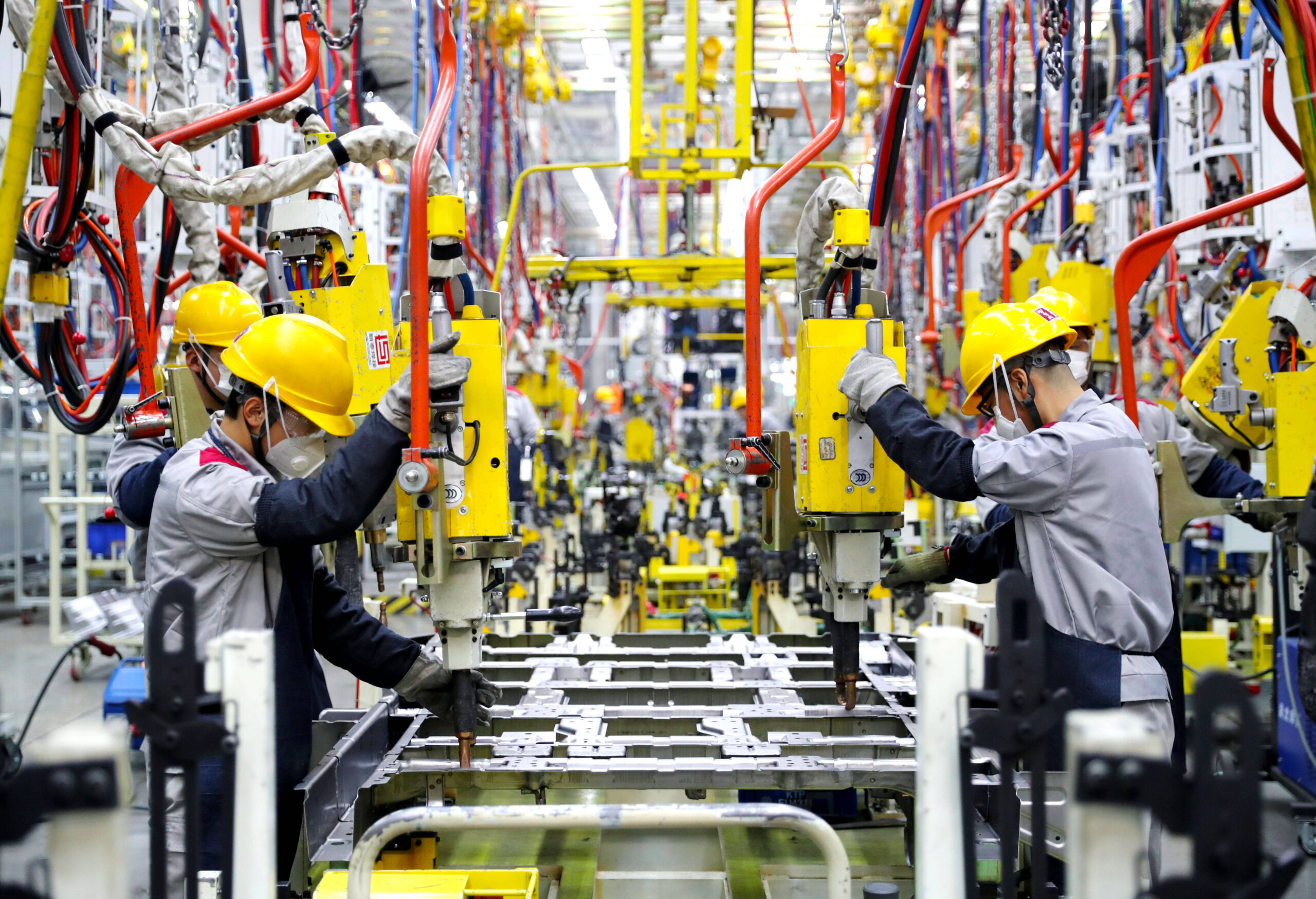
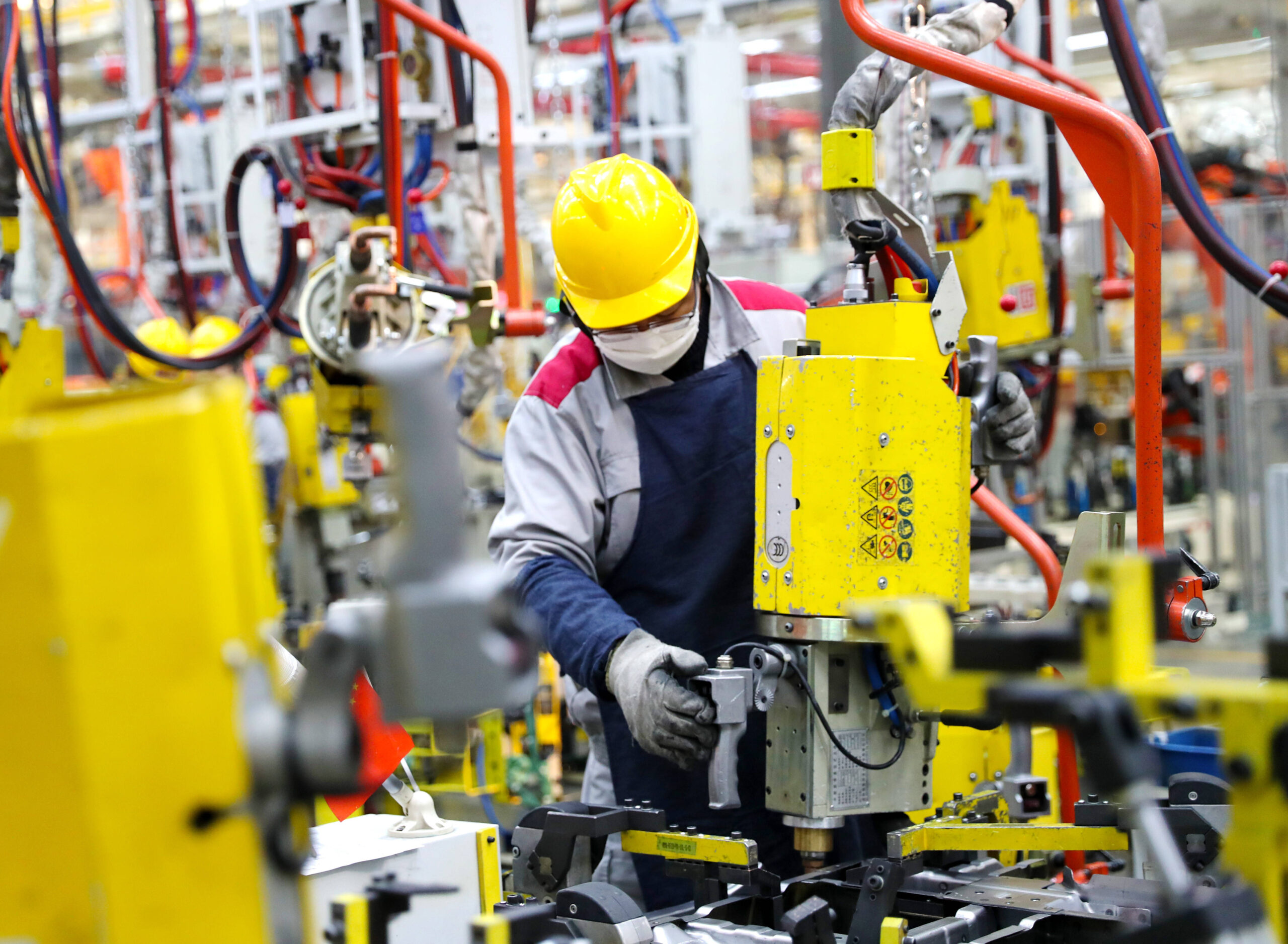
The state then adopted a neo-mercantilist stance toward Koreans and Japanese, protecting its “young shoots” in the battery sector. The state’s intervention at this stage of development was decisive because it could enable or prevent their large-scale expansion up to a global domination. The substantial production volumes that resulted from these initiatives generated strong learning effects, which in turn allowed improving battery power, safety, and reliability while reducing costs and strengthening profits for future investments. Quietly, a Chinese industrial-oriented fund also took a stake in CATL before its IPO, which would allow the company to raise the funds needed to expand its production base to match anticipated demand in the next five-year plan. By the early 2020s, Chinese firms had increasingly set cost and scale benchmarks for the sector, while securing dominant positions in cathode processing, anode materials, component manufacturing, and other links in the value chain. In contrast, Europe’s bet on Northvolt to gain battery autonomy failed due to both operational shortcomings and poor demand management for EVs in the Union—coupled with disorganized subsidy programs by member states. When production delays and rising interest rates weakened Northvolt’s balance sheet, neither the Swedish nor the German governments intervened to stabilize the company, though Volkswagen was its initial shareholder (21%). Europe’s brightest hopes for battery autonomy now rest on the success of French startups, which nonetheless face challenges similar to Northvolt in scaling up production; the future, it seems, belongs at best to joint ventures between European and Asian battery manufacturers based in the Union.
Embedded electronics: fragmentation and vulnerability
Electric vehicles are not just batteries on wheels; they are computers on wheels. The structural weakness of German carmakers in embedded electronics became evident during the 2020–2022 semiconductor shortage. Relying on first-tier suppliers like Bosch and Continental for chips and control units, and leaning on model-specific, fragmented architectures, European automakers lacked the internal electronic integration needed to rapidly rethink systems when the shortage struck. This led to prolonged production halts at Volkswagen, BMW, and Daimler. Far from sparking alarm, this crisis hardly changed the status quo, and there was little pressure from the EU or member-state governments to stabilize this critical link in the EV value chain.
Europe also lacked digital giants capable of investing in the electronic components of EVs, as the United States did with autonomous driving and onboard software, or as China did with Huawei, Alibaba, and Tencent. German SAP, though dominant in enterprise software, never diversified toward cloud infrastructure or real-time platforms required by new automotive features. Bosch only recently began addressing this gap, notably by taking a 10% stake in the ESMC—TSMC’s upcoming chip plant in Dresden—in 2023, alongside Infineon and NXP, with 5 billion euros of support from Berlin under the European Chips Act. Far too little, far too late.

By this point, specialized Chinese firms had already established themselves solidly in this market, led by the digital-platform giants that the EU had failed to cultivate in the 2010s, while China pursued a broad industrial policy to ensure its digital sovereignty from the United States. Automobile manufacturers in China, in partnership with provincial and municipal governments, leveraged these digital platforms, the dense electronics ecosystems of the Pearl River Delta, and thousands of component suppliers around Shenzhen, creating hubs of activity for EV electronics with little global competition. It is impossible to overlook the role of provincial-level state planning in their growth: public procurement, local government venture capital (the famous “government-guided funds”), tax incentives, university-originated tech-commercialization ecosystems, and massive investments in developing tailored skills for the EV electronics industry. All of these elements fit within central government programs such as “Made in China 2025,” and prior initiatives targeting semiconductors, power electronics, and embedded software as strategic technologies with spillovers into the automotive sector. Admittedly, the price paid for provincial competition to realize all this was duplicated effort and overcapacity. Europeans can point to this with some complacency, but what matters is the end result: while today’s China hosts world-renowned players in this technological field, Europe—once a leader—remains largely absent.
It is worth noting that China built this competitive electronics industry under local control, partly in response to American export controls on chips and their manufacturing—a constraint Europe has never faced. In terms of development, China turned semiconductors and electronics into general strategic assets through coordinated state action, effectively pushing Nvidia’s market share in the country toward nearly zero.
Managing demand
Uncertainty and demand disruptions pose the greatest threat to any new technology seeking to scale commercially. And this is where the contrast between China and Europe is most stark. European demand-stimulus measures, such as Germany’s Umweltbonus or France’s ecological bonus, subsidized hybrids and EVs without imposing minimum range or other technical criteria. Hybrid plug-ins accounted for roughly 40% of vehicles subsidized by the Umweltbonus, even though their real-world emissions proved two to four times higher than certified. In 2019, a third of European EVs still displayed real-world ranges below 250 kilometers; early versions of the BMW i3 and VW e-Golf, with sub-30 kWh batteries, targeted fleet compliance rather than world competitiveness.
In contrast, China explicitly excluded subsidies for vehicles that did not meet certain energy-density and range thresholds, while actively curbing ICE demand by offering free license plates for EVs and imposing quotas and lottery systems for combustion-powered vehicles. It is important to note that subsidies went to manufacturers, not to consumers. Manufacturers were thus compelled to embark on a technological race, while remaining under tight state supervision.
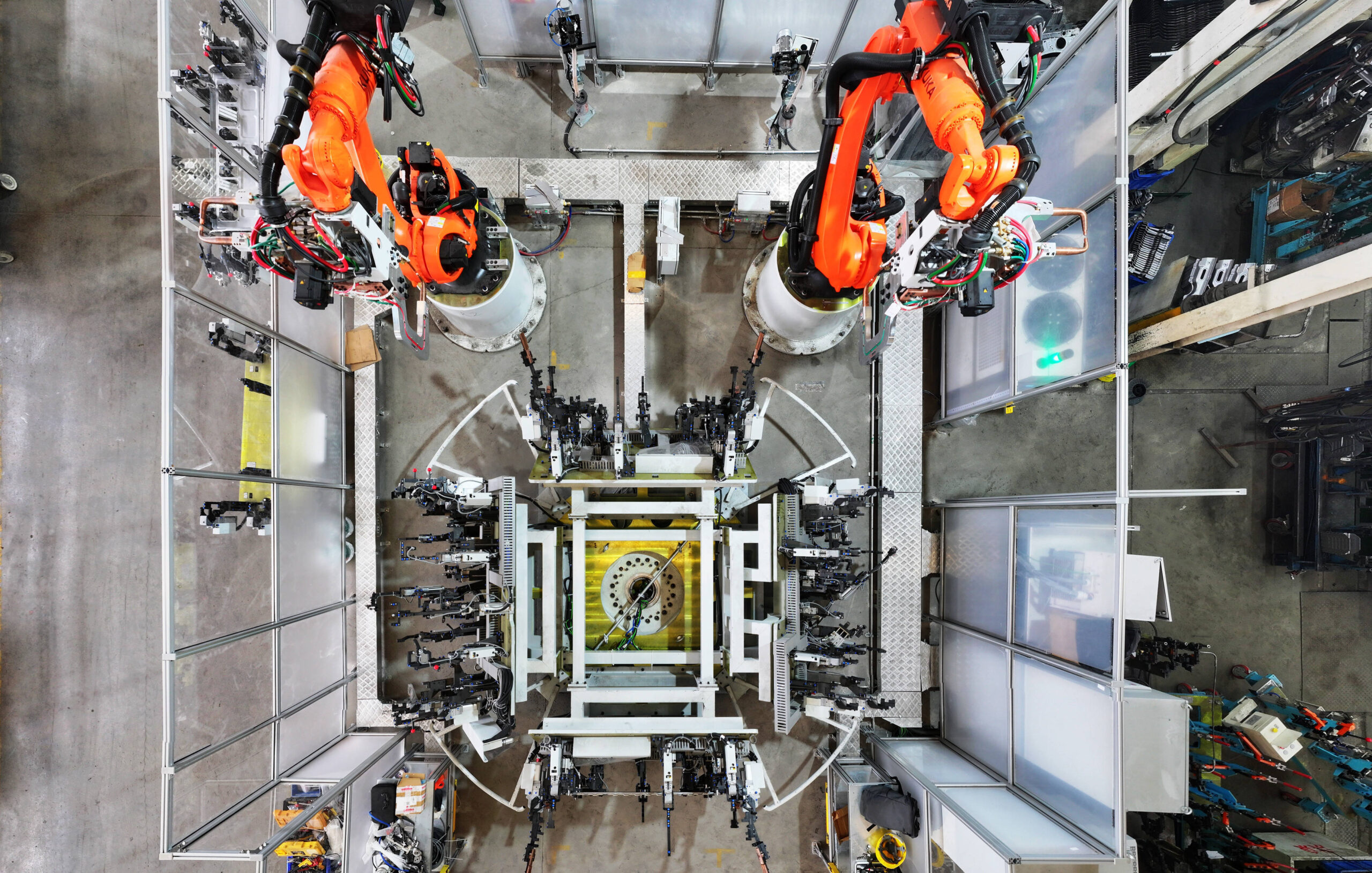
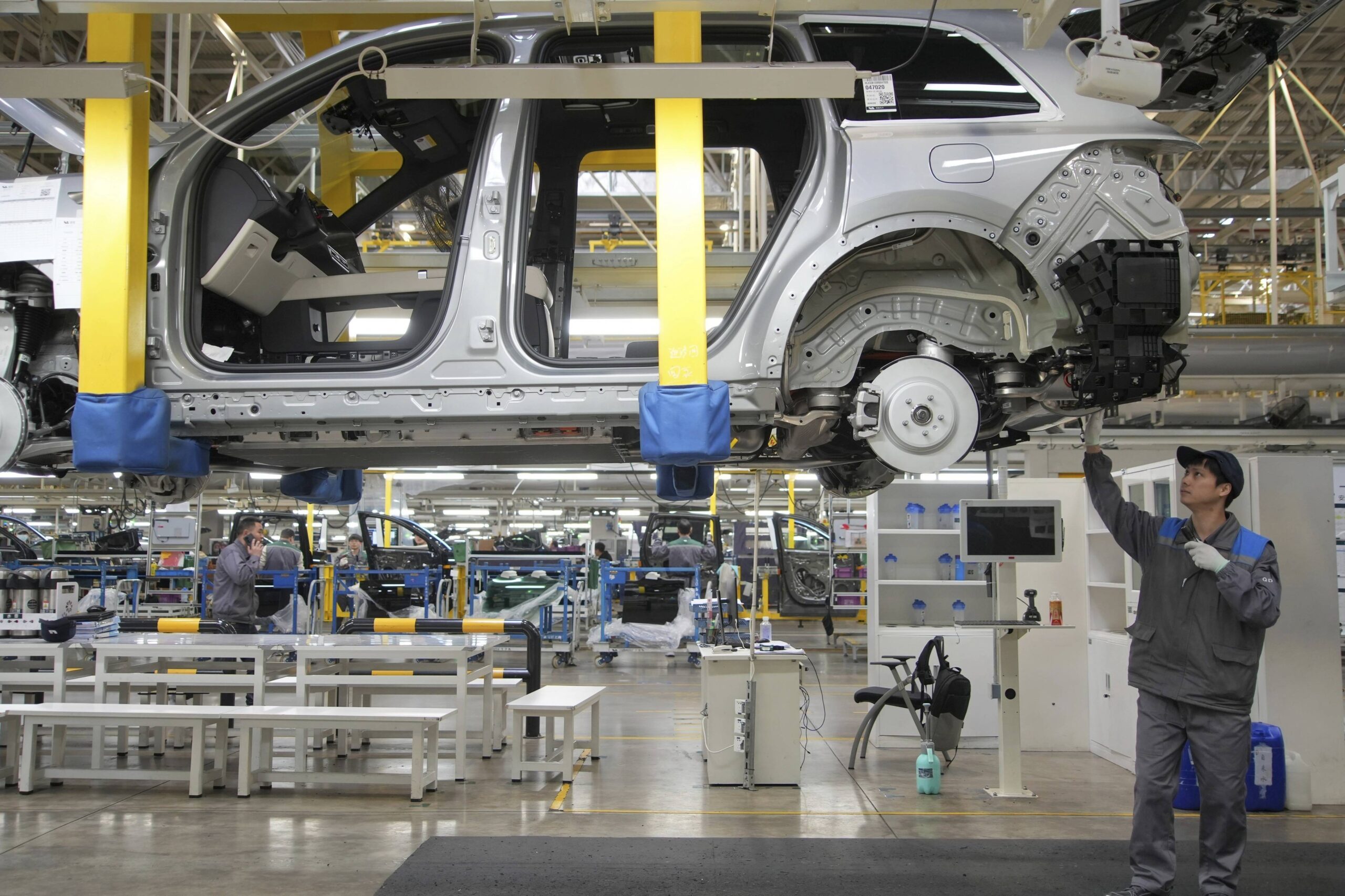
The deployment of charging infrastructure is another essential aspect of managing demand: without dense charging networks, range anxiety would alone deter late adopters, regardless of vehicle quality or the scale of subsidies. Both blocs identified this need early on. The Union adopted its directive on alternative fuels in 2014, which was later reinforced by regulation, but the fragmentation of competences among member states yielded uneven results: the Netherlands and the Nordic countries built dense networks, while Germany, Southern Europe, and Eastern Europe lagged behind. Even when the NextGenerationEU program was approved, charging requirements were limited to the trans-European road network (RTE-T), with member states paying uneven attention to the rest of the territory. As a result, relative to population, today’s China—whose GDP per capita is lower than that of the EU’s poorest member state—has deployed charging infrastructure twice as extensive as Europe’s as the EV industry gained momentum. Per licensed driver, the gap widens even further: 40 charging points per 100,000 drivers in China’s major cities vs. an average of 14 in the Union, a near-three-to-one ratio that explains, in large part, why mass adoption was more significant in China than in Europe. Until 2024, only about 60% of the corridors planned in the Union met the spacing targets set by European regulation.
Tariffs: treating symptomsAddressing the problem solely through tariffs amounts to treating a symptom while leaving untouched the coordination deficit across the five links of the value chain. The European Union has deployed corrective instruments such as regulations on critical raw materials or European-common-interest projects related to batteries. Yet the Northvolt failure suggests that these instruments remain fragmented, counter-cyclical, and difficult to mobilize when European start-ups face expansion hurdles, precisely explaining their structural insufficiency.
The Sino-German comparison suggests a different political economy: the Union pursued regulatory intervention focused on emissions and supply in Europe’s automotive sector, without offering a counterpart to the capacity of coordination between Chinese public and private entities to reorganize the value chain around electrification. In the absence of such forms of deep coordination between the state and the market, privileging regulatory compliance has yielded vehicles designed to meet a minimum threshold, but rarely to compete globally. Beijing has, in effect, triggered its own “creative destruction,” pairing the repression of demand for ICEs with the deliberate establishment of a competitive five-link EV supply chain.
Using tariffs is also easier than tackling the harder—but more essential—task of reducing capital and energy costs for EU-based producers. EVs are made from materials whose processing incurs energy prices several times higher than those in China. Sweden proposed green steel producers electricity tariffs below China’s to outpace Chinese producers in this market. This initiative, however, did not catch on, and this was despite the energy-intensive nature of the automotive value chain. Moreover, public financial vehicles in Europe rarely coordinate their actions across borders to bring potential hyperscalers into one value chain; they also resist the sector-specific specialization that Chinese industrial-guidance funds have deployed for targeted sub-sectors, including those linked to the EV value chain. Finally, while the Chinese central bank orchestrated the unlocking of more than four trillion euros in green credit at favorable rates, the ECB resisted calls for similar measures, despite demands from some top officials to abandon market neutrality.
The “Chinese mirror” Europe cannot help but look into
China presents an evident reality: without credible state-wide coordination stretching across refined minerals, batteries, electronics, demand, and infrastructure—and without disciplining the old industrial actors instead of merely shielding their maneuvering space—the European market and rules will not suffice to change the dominant players.
The great asymmetry is political: the Chinese state can impose concentrated, immediate losses on leading technologies and their associated employment hubs without having to negotiate that choice with unions, parliaments, or electorally decisive publics. This is precisely something no German or French government can do. China thus poses a thorny problem for Europe: finding a democratically acceptable equivalent, or risk Europe losing the race by default. The rejection of Europe’s Green Deal thus appears as a foreseeable political reaction to regulations that set a destination without organizing the means to get there.
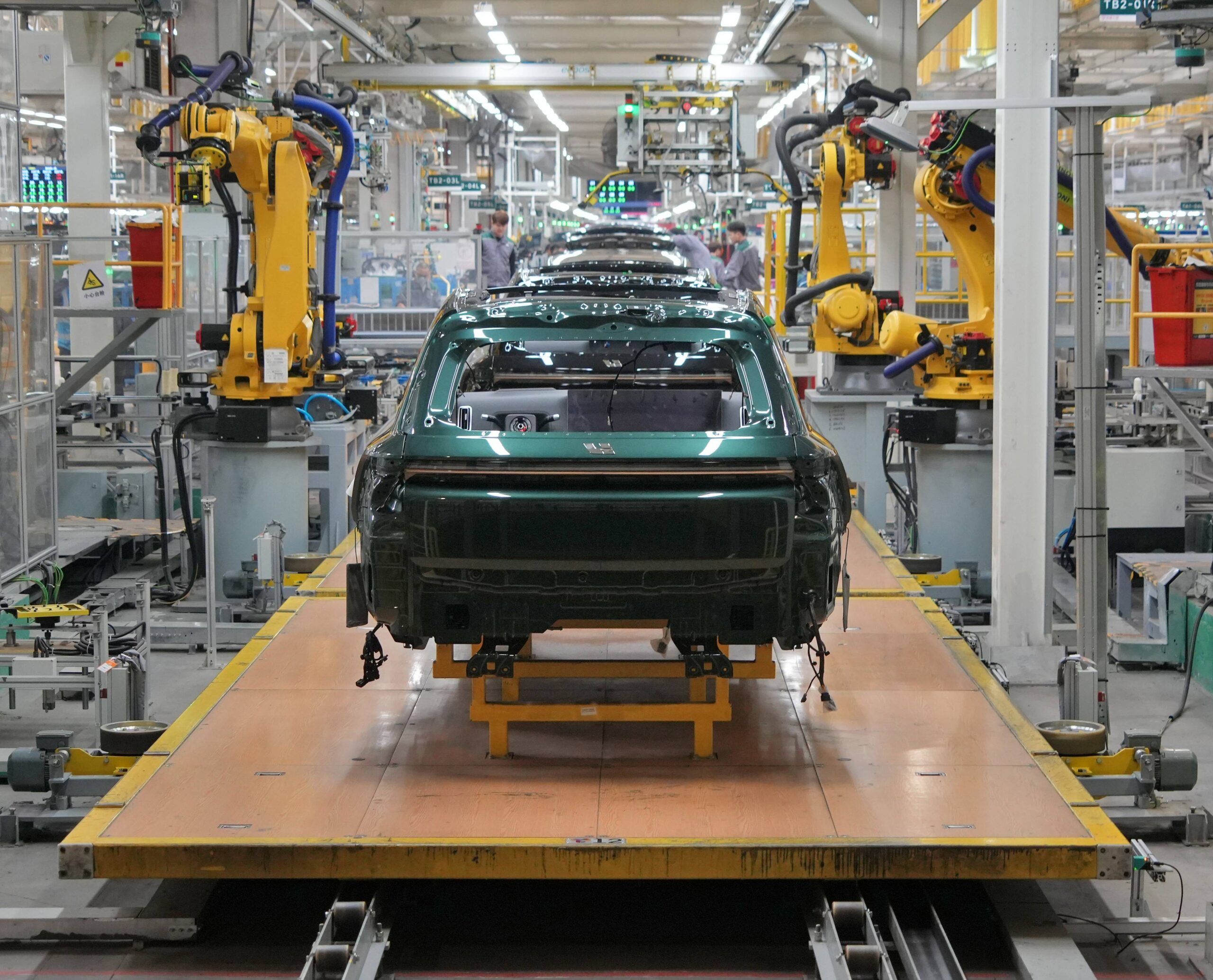
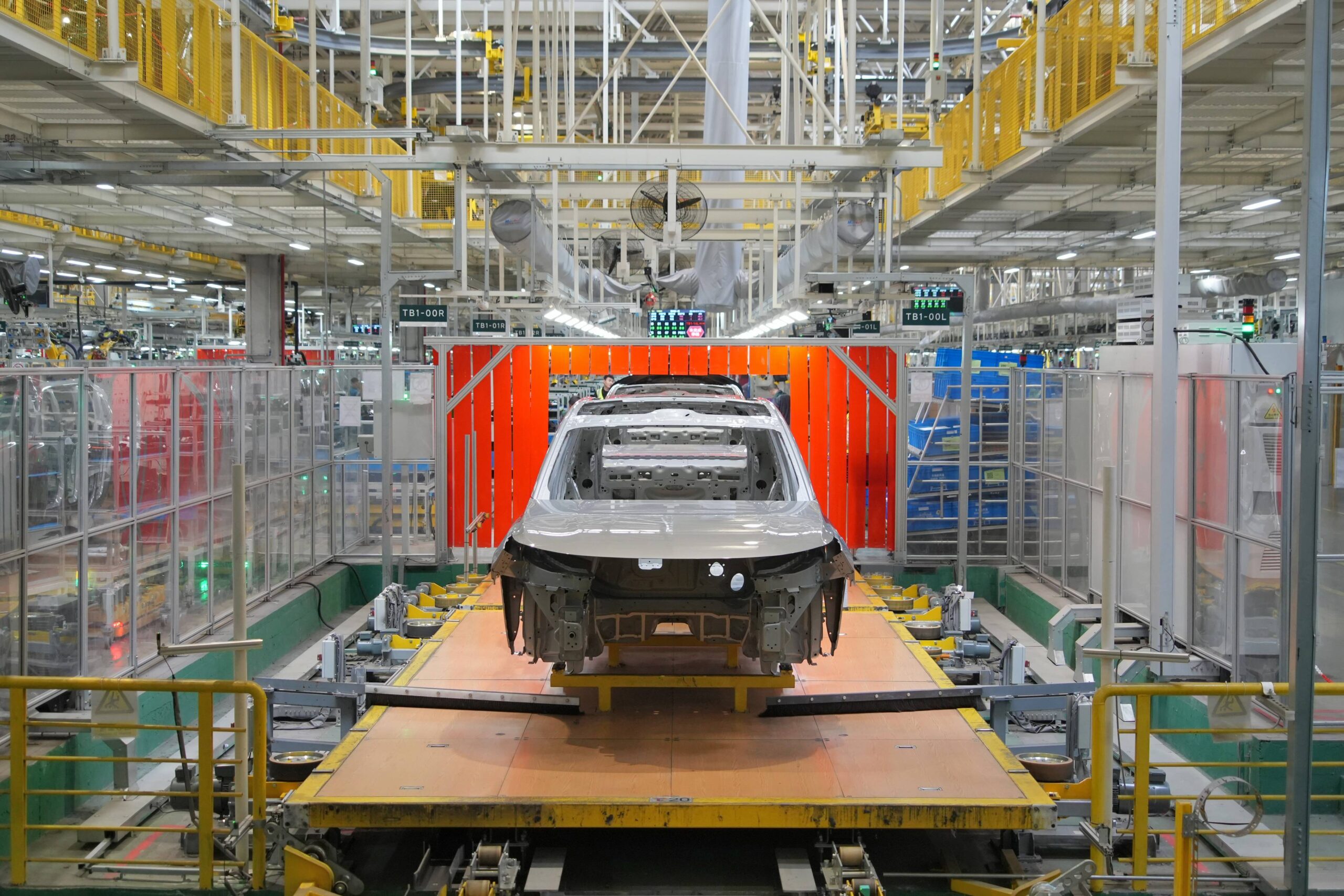
China’s eventual imposition goes beyond the automobile industry alone. Europe’s regulated capitalism has long condoned a mature single market—where the task was mainly to arbitrate between established industrial interests. Yet the same regulatory system, once effective, now proves ill-equipped to compete for technological leadership in an emerging sector against a state that plans the entire value chain before the market even exists.
The takeaway is not that Europe should imitate Chinese dirigisme, but that it needs a European version of value-chain planning—compatible with European values and democratic checks and balances. It is no longer a question of ideology; it has become a condition for industrial survival.
This awareness reignites a long-standing intuition from Jean Monnet’s dirigist tradition: to master major technological transitions, one must have expertise and institutions for indicative planning, coordinated action among the state, capital, and universities to nurture new national champions; to leverage the state’s role as shareholder and strategist; to set market-access conditions for rivals; and to establish rules and support the competitiveness of new sectors to avoid “corporate welfare.”
Whether this aims to foster the emergence of new firms active especially in the automotive sector, as China has done, to re-energize historic players with a century of existence, or to set up joint ventures with Chinese firms under a carefully designed industrial-accelerator law, the crucial point is that the value chain is firmly anchored within the Union.
This legacy, once cherished by the founders of Europe’s project, was too quickly relegated to the status of a historical curiosity by four decades of neoliberal consensus—a framework that could endure only as long as Europe dominated the key technologies of the world’s export market, a landscape now disrupted by Chinese industry and the state backing it. The Chinese counter-example, long treated as an oddity of economic policy, compels us to reread recent economic history in reverse.