
All summer, Le Grand Continent will remain in motion. Each day, we will bring you, wherever you are, ideas you will not find anywhere else (but which will be everywhere by the time the season returns), texts that are elusive or refreshing with our Dimanches. To receive them directly in your inbox and support this momentum, consider subscribing to the magazine.
Military parades still appear as relics of a world that has passed, where diplomacy was conducted at summits and through communiqués rather than on battle squares and tribunes. Yet they deserve renewed attention, for they constitute the most legible grammar of power: each unit marching, each leader in the stands, every absence, every anthem played says a truth that speeches conceal.
These images sketch the outline of an international order that is no longer that of the multilateralism born in 1945, nor that of the benevolent globalization of the 2000s. Imperial blocs are recomposing, show of force now precedes the communiqué, and political iconography has become a weapon once again. In this context, parades have regained real weight.
This analysis thus offers a close-reading of the four parades that, over thirteen months, redrew the map of imperial narratives, to understand why what is being prepared in Paris on July 13 and 14, 2026, concerns a doctrinal shift rather than a routine Republican ceremony.
First Scene: In Moscow on May 9, Putin reveals his impotence
For the 80th anniversary of the victory over Nazi Germany, on May 9, 2025, Vladimir Putin, who has made the Victory Day parade the culminating point of his propaganda system, needed a spectacular moment.
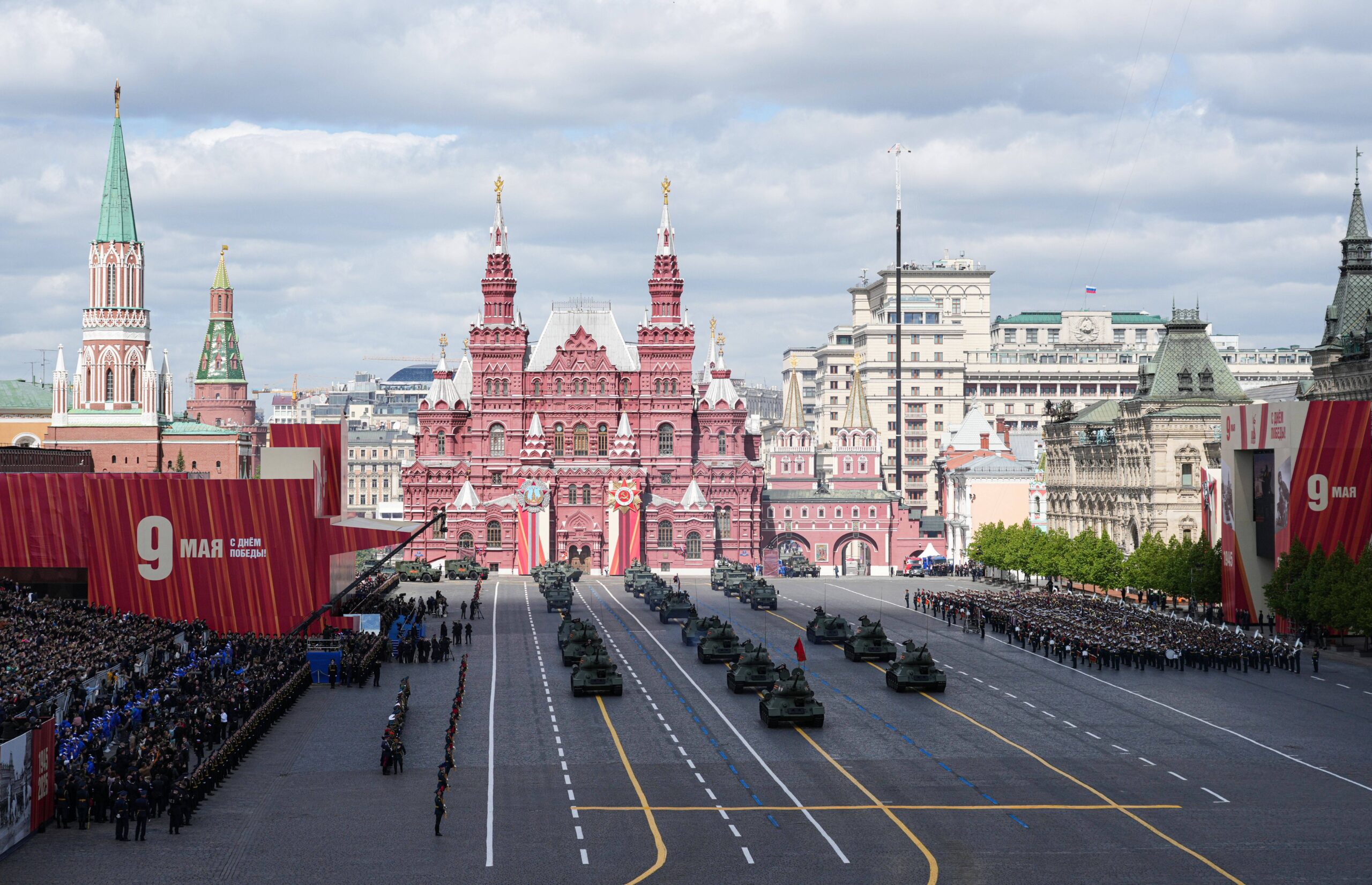

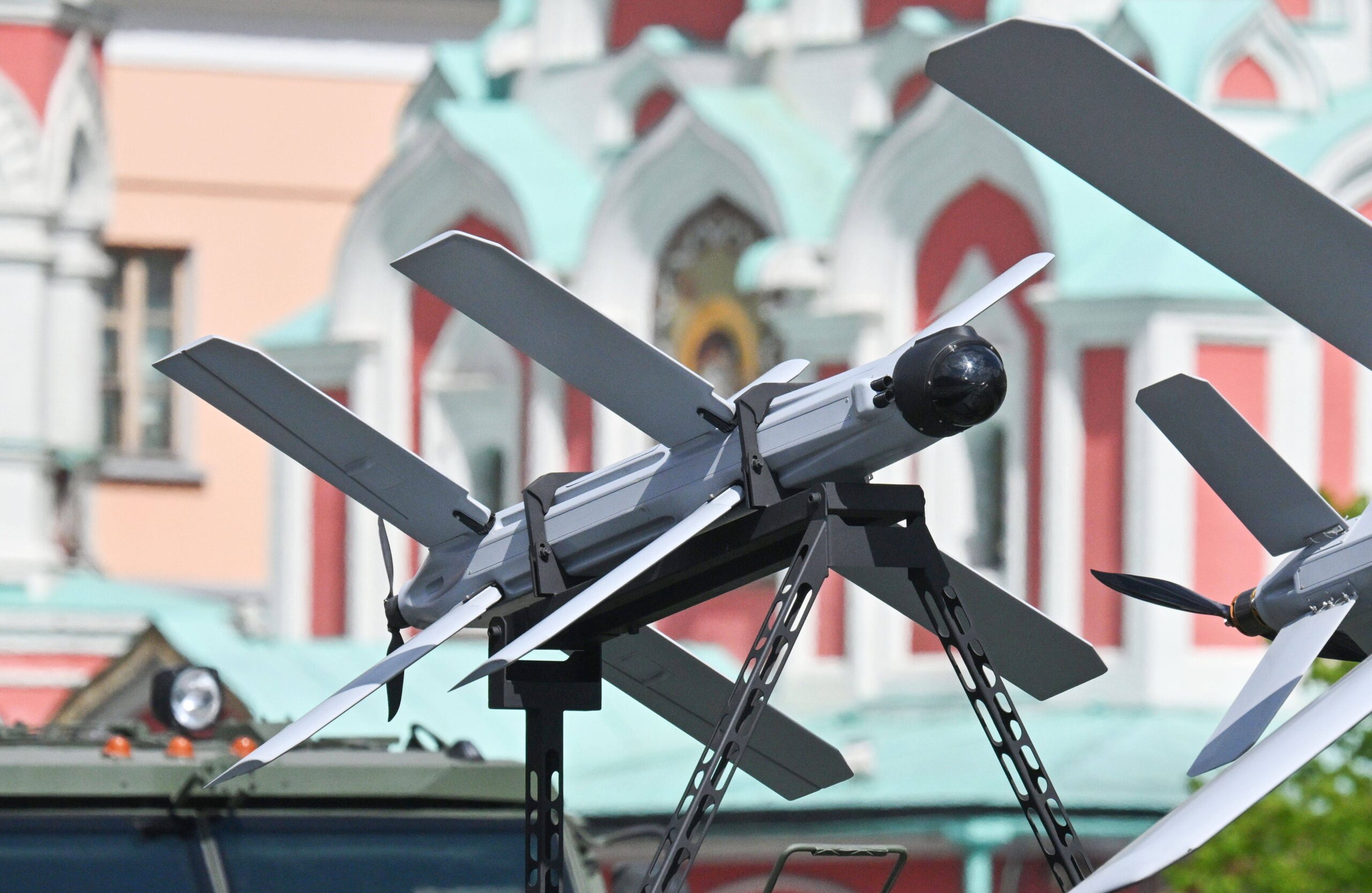
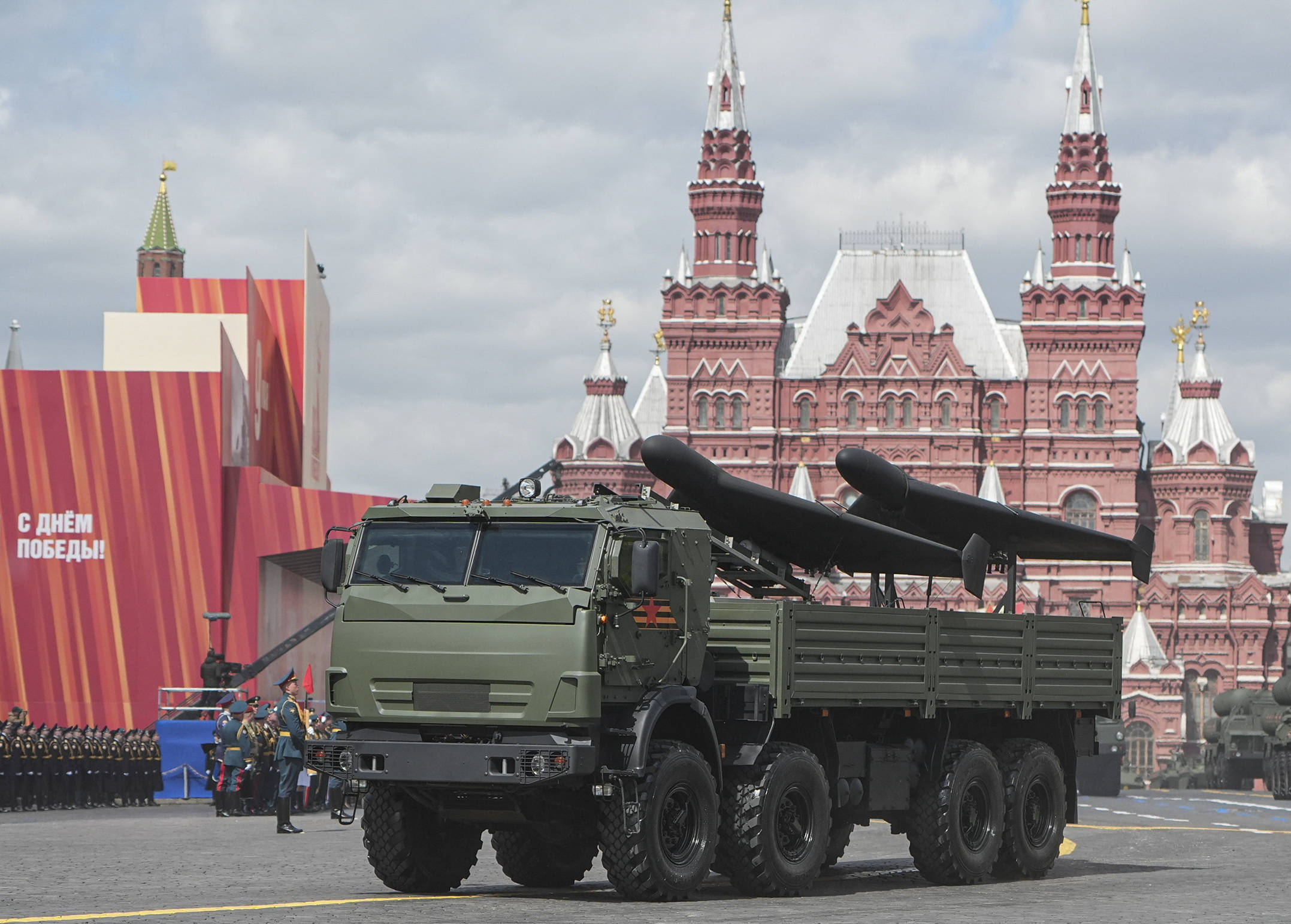
The May 9, 2025 parade was meant to be the most expansive display of force since the invasion of Ukraine and one of the largest in Russian history: eleven thousand soldiers, T-90 tanks, S-400 systems, Iskander missiles, Yars intercontinental missiles and, for the first time, the Orlan, Lancet, and Geran drones used daily against Ukrainian cities.
Xi Jinping, invité d’honneur pour quatre jours, a offert à Poutine l’image de « l’amitié sans limites » proclamée en 2022, que le maître du Kremlin s’est employé à enraciner dans la « fraternité de combat » de la Seconde Guerre mondiale.
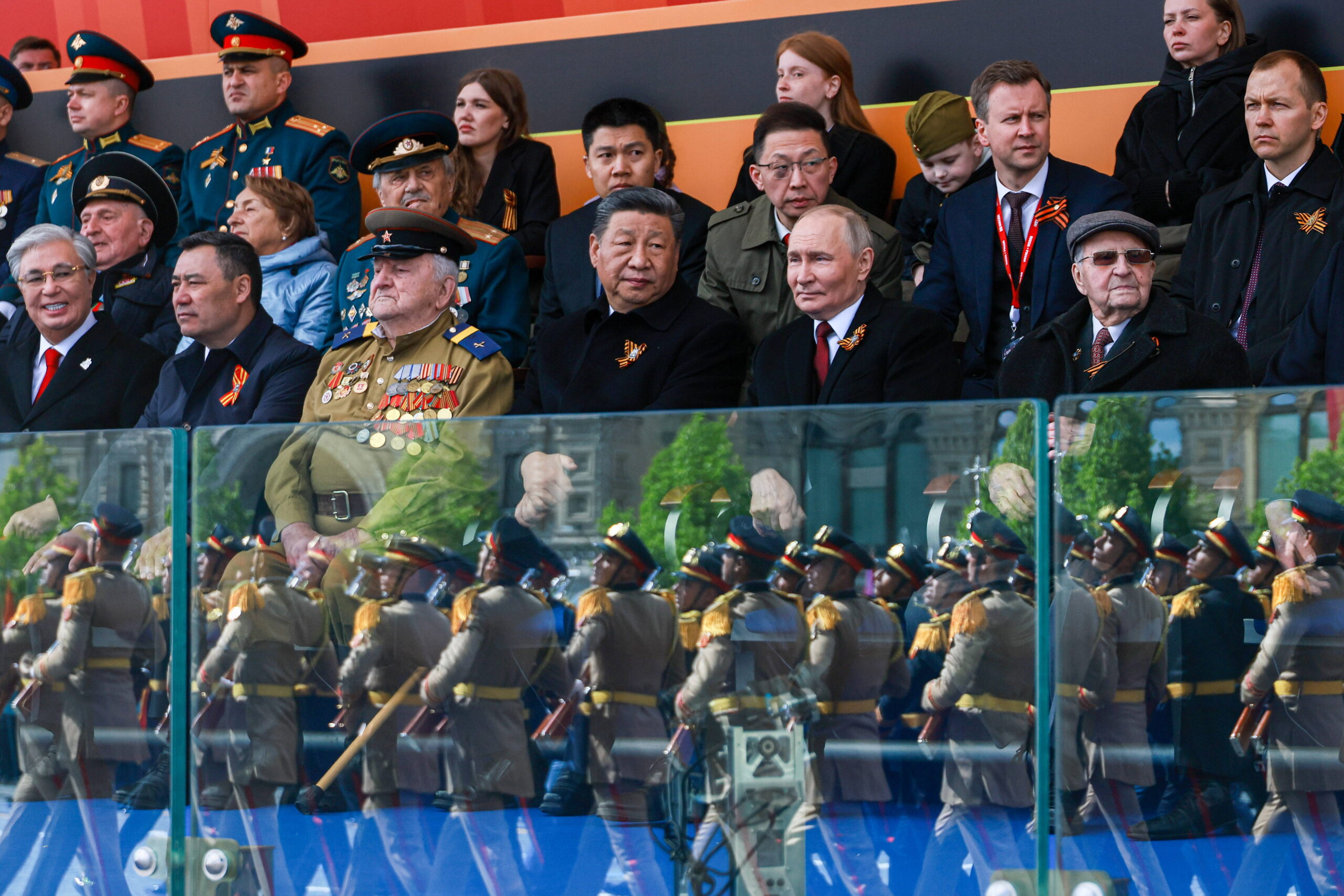
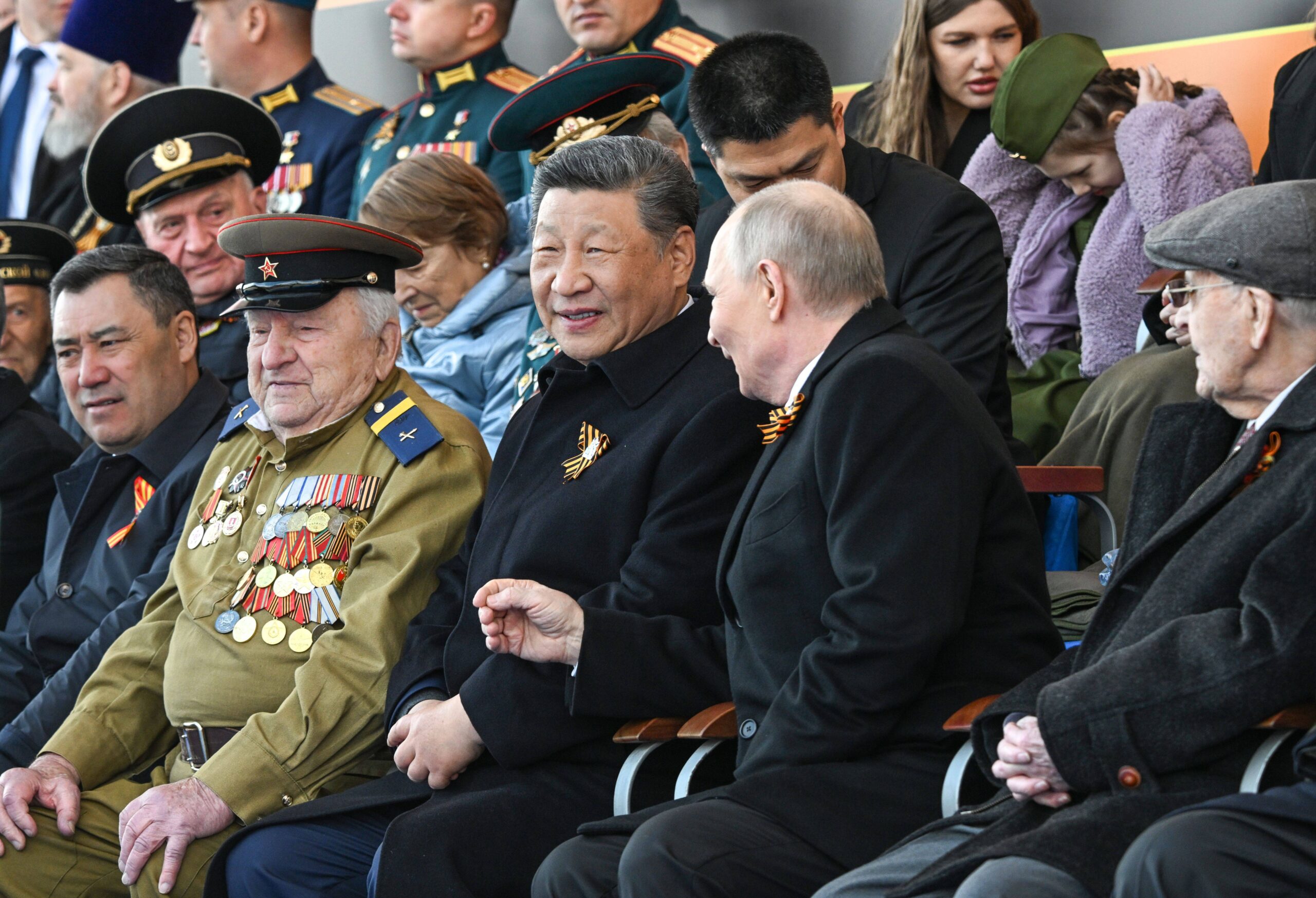
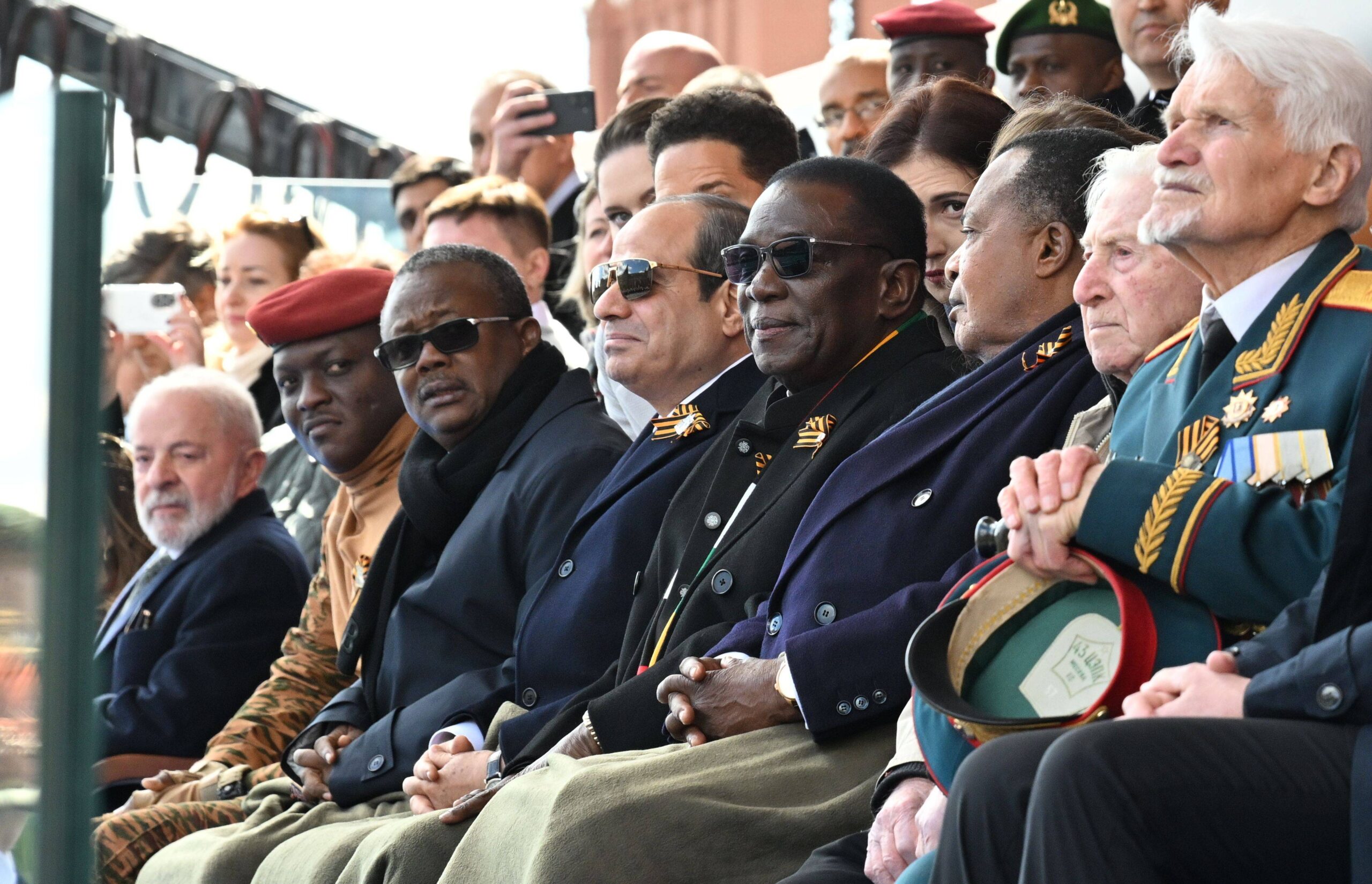
Malgré la guerre en Ukraine, vingt-neuf délégations étrangères étaient annoncées. Les dirigeants venus d’Afrique — Burkina Faso, Zimbabwe, Congo, Éthiopie, Guinée équatoriale — donnaient corps à la « majorité globale » théorisée par Karaganov et reprise par le Kremlin, tandis que Lula, invité de marque, matérialisait le pont vers les BRICS et prononçait un discours particulièrement offensif du président russe.
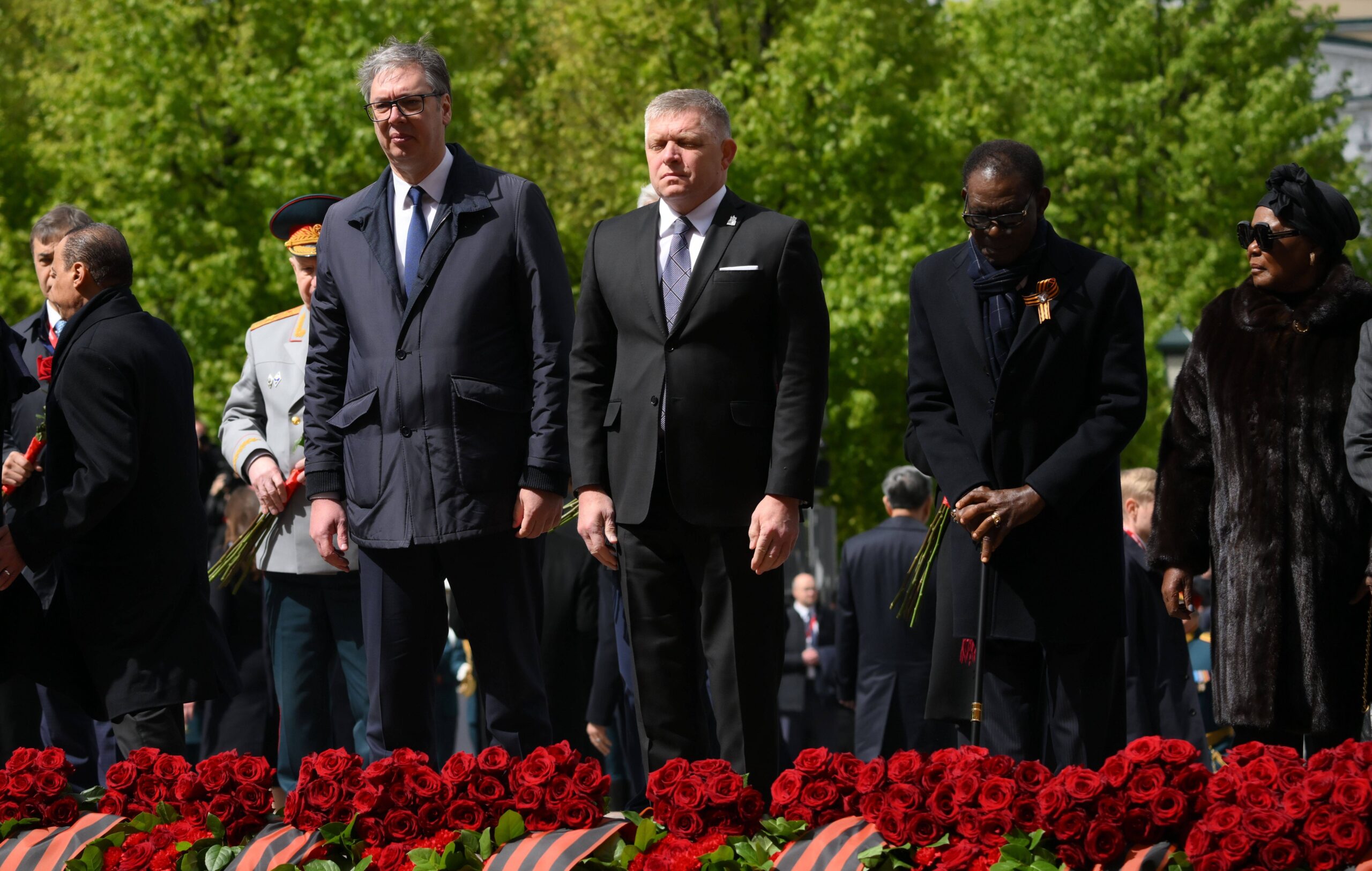
Le Slovaque Robert Fico et le Serbe Aleksandar Vučić, seuls dirigeants européens présents, incarnaient une fissure dans le front européen et « l’Occident collectif ».
Treize contingents étrangers défilaient, les Chinois en position d’honneur devant Xi.
Quatre-vingt ans après 1945, le message était limpide : les « changements comme on n’en a pas vus depuis cent ans » que le président chinois annonçait à Poutine dès 2023 étaient désormais mis en scène sur la place Rouge.
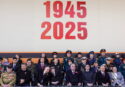
These images are striking, but they conceal something essential.
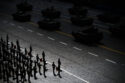
First, the May 9, 2025 parade held up less thanks to Russian air defenses than to the shield of its guests. President Zelensky had publicly withdrawn his security guarantees, and Ukrainian drones had closed a dozen Russian airports in the days prior. But Ukraine could not strike a Red Square where Xi Jinping, Lula, and two dozen heads of state sat without exposing itself to an even graver risk.
A year later, in May 2026, what had been concealed by the staging comes to light. The Kremlin announced at the end of April that no heavy military equipment would march on Red Square — a first in nearly twenty years of Putin’s rule. No tanks, no missiles, no air defenses: infantry on foot and an aerial overflight, in forty-five minutes.
Even more humiliating, the parade exists only with the express permission of the adversary: a three-day ceasefire negotiated by Washington, and a decree by Zelensky declaring, with calculated irony, that the Red Square is “temporarily closed to Ukrainian strikes.” The Russian show of force only exists with a third-party authorization.
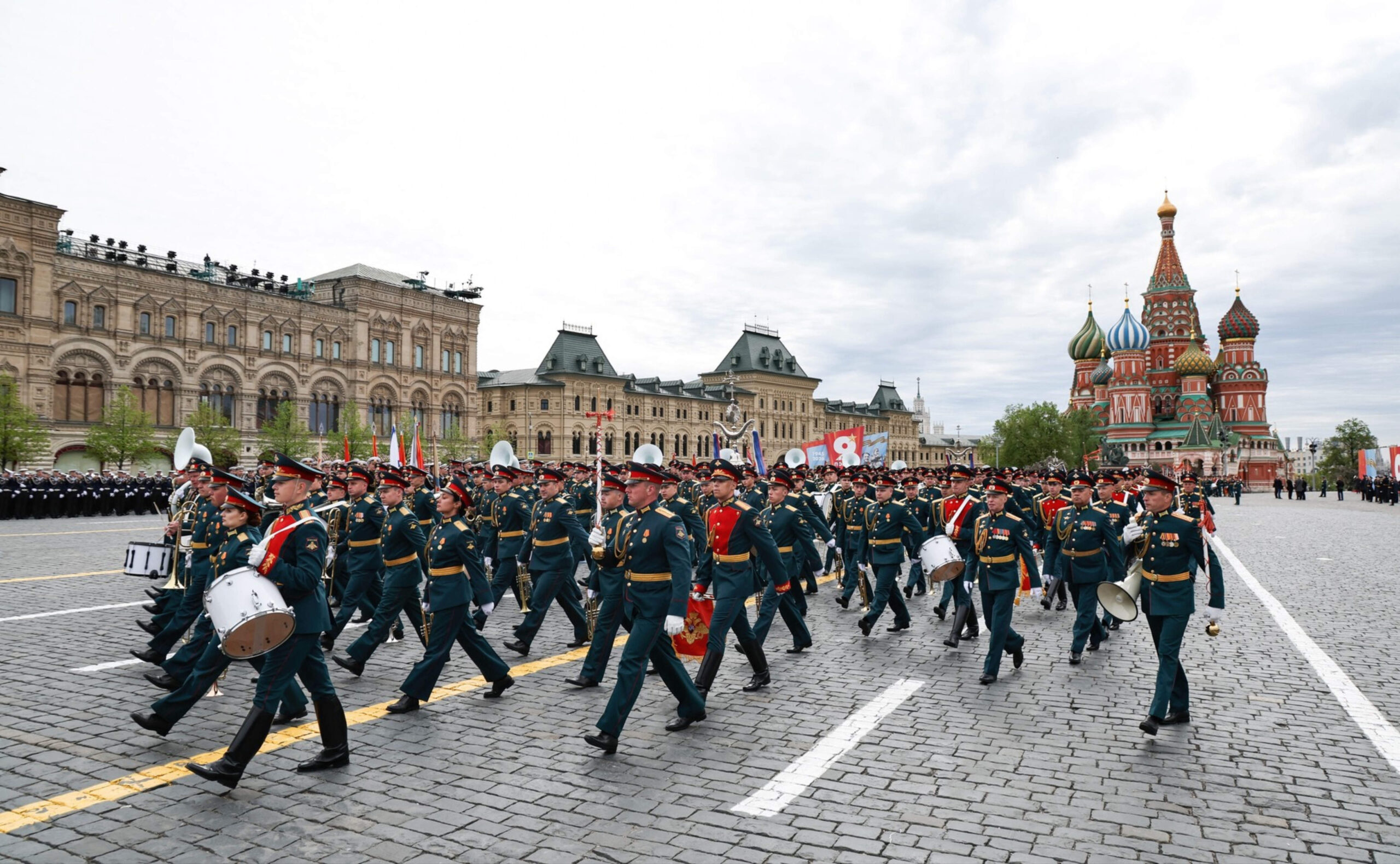
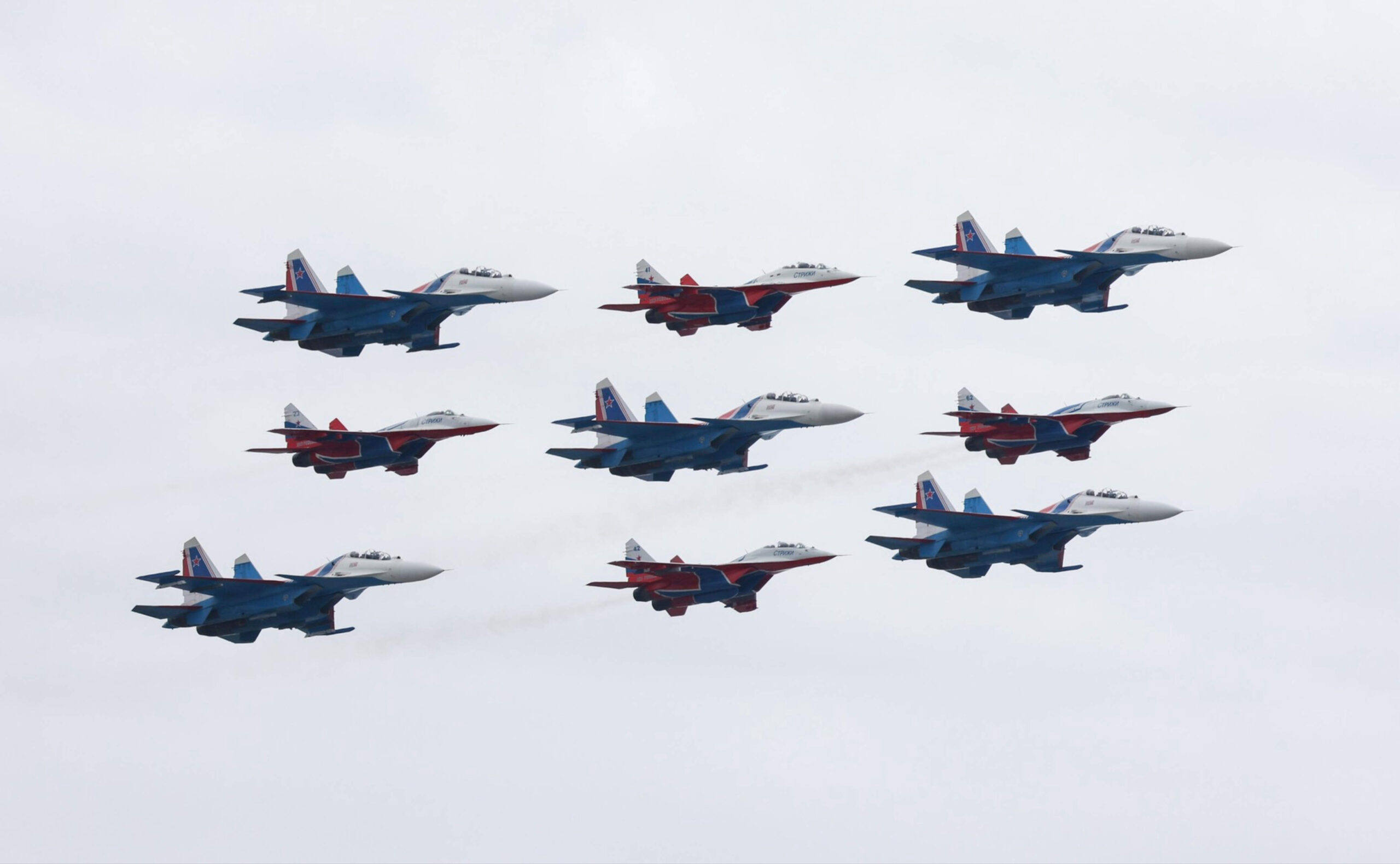
Mis en échec par l’Ukraine, le président russe a dû choisir entre prendre le risque de montrer ses forces et protéger son cœur politique. Il a choisi de se cacher.
The empire no longer dares to parade. This is the first lesson of the 2025-2026 sequence: parades also reveal what powers can no longer do.
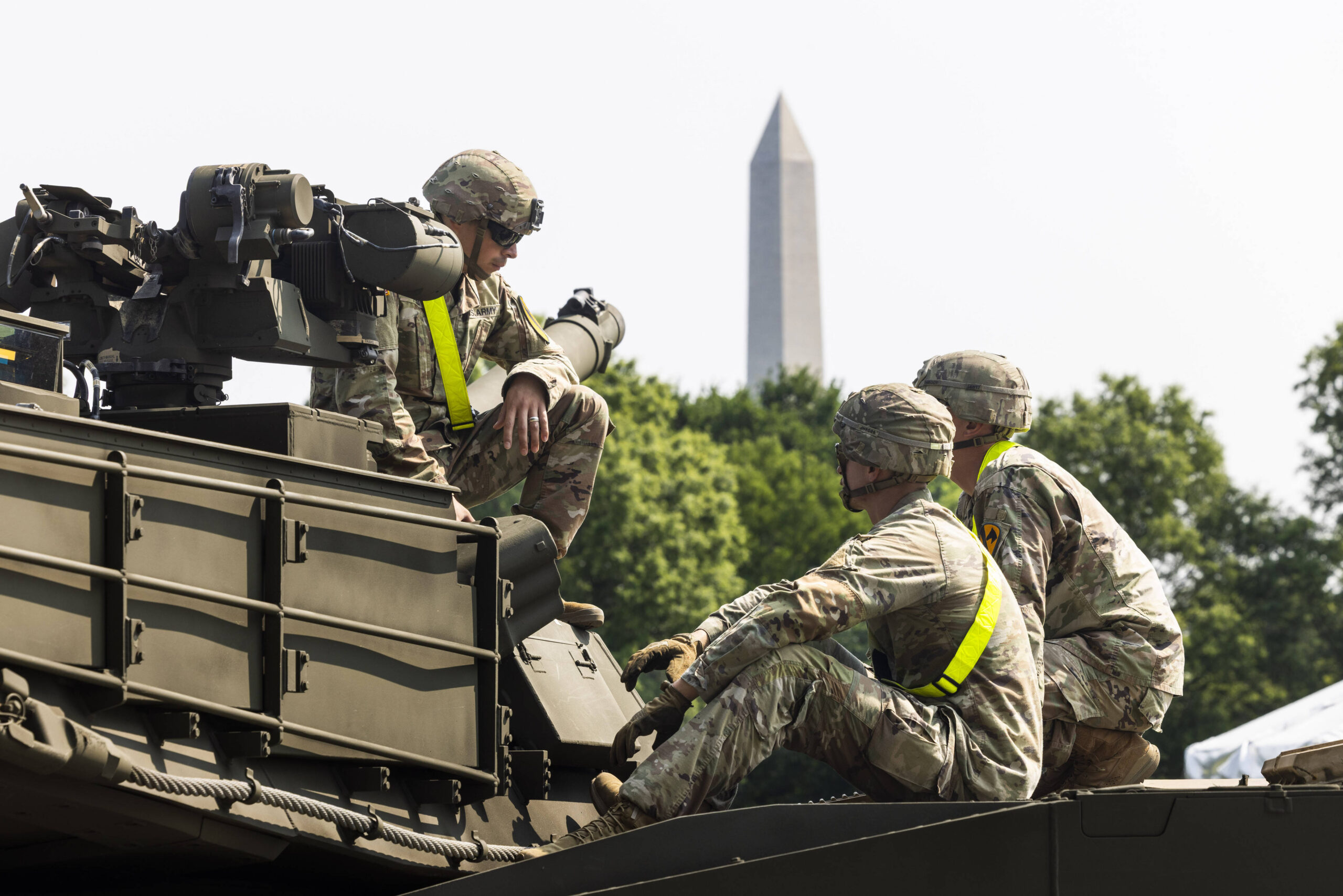
Second Scene: In Washington, June 14, 2025, Donald Trump treats the army to his birthday
Trump had wanted his own parade since 2017, precisely since he had seen Macron descend the Champs-Élysées on another July 14th.
He obtained it by grafting it onto the 250th anniversary of the US Army, founded on June 14, 1775: a calendar coincidence that made his 79th birthday a national military celebration.
The parade in Washington, the first since the Gulf War, mobilized up to 45 million dollars, 6,700 soldiers, 28 Abrams tanks and about fifty aircraft.
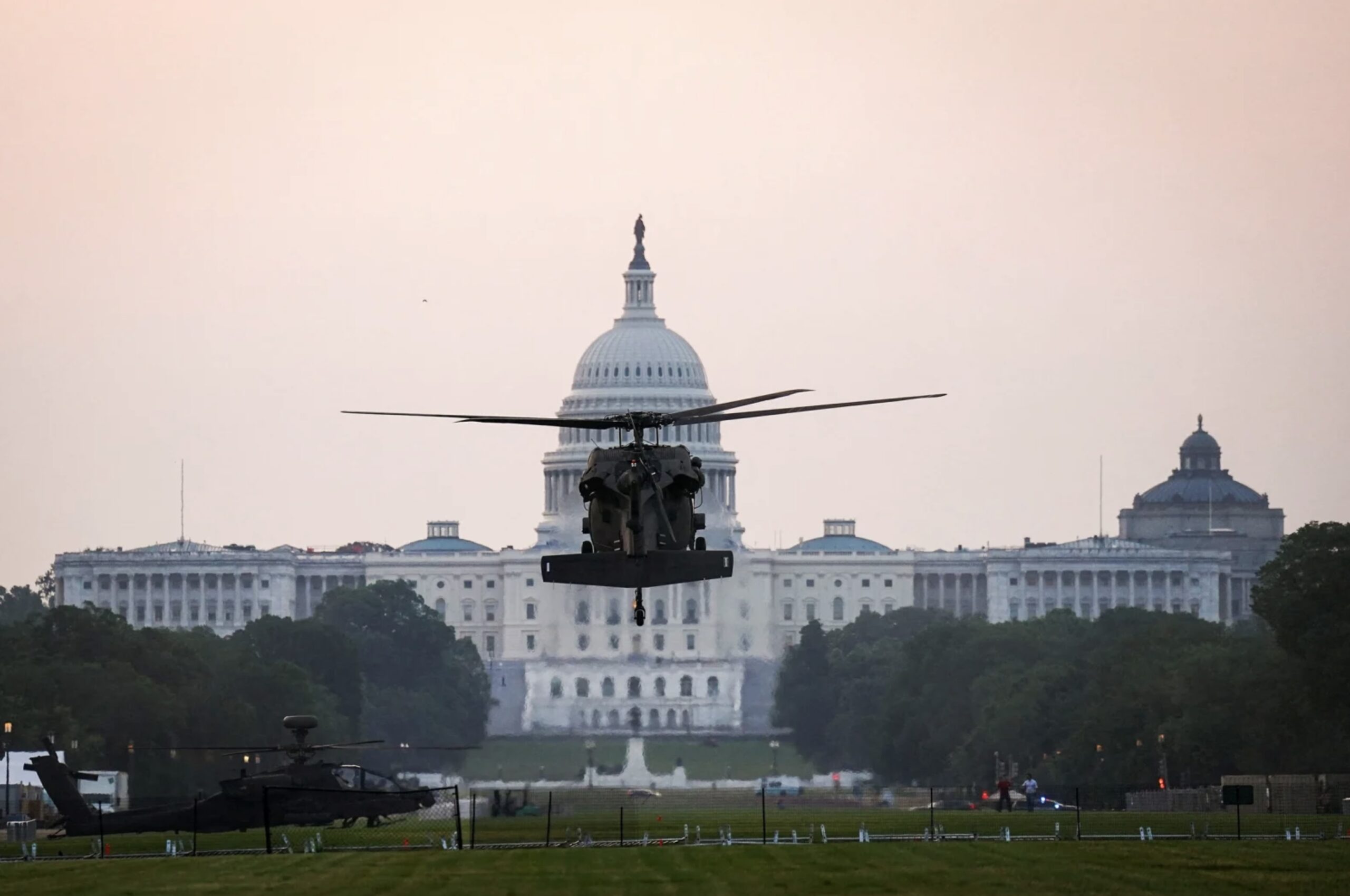
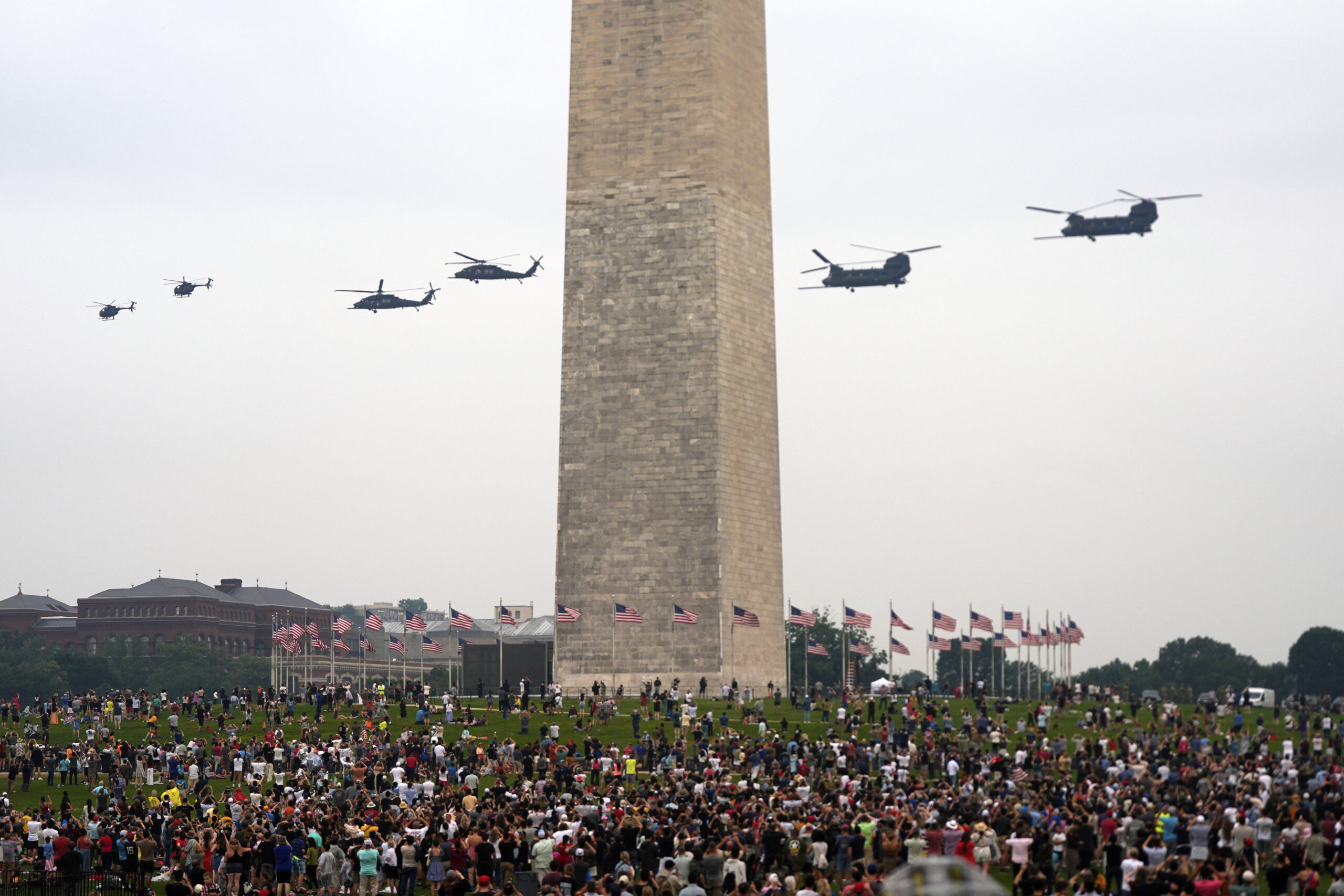
The imperial ambition is displayed in the staging: to turn military display into a rite of personal power, to confuse the president’s birthday with that of the institution.
Trump leaned into this neo-royalist dimension to the point of caricature, arranging sponsorship for this “triumph-birthday” from companies tied to his political ecosystem and, for at least one of them, to his personal fortune. The logos of Palantir, Coinbase and the UFC appeared behind the presidential dais, and the master of ceremonies thanked the “special sponsors” between two troop passages, as if at a TV show.
What will be remembered, however, is the public reaction: the same day, two thousand “No Kings” rallies were held across the fifty states, bringing together several million protesters.
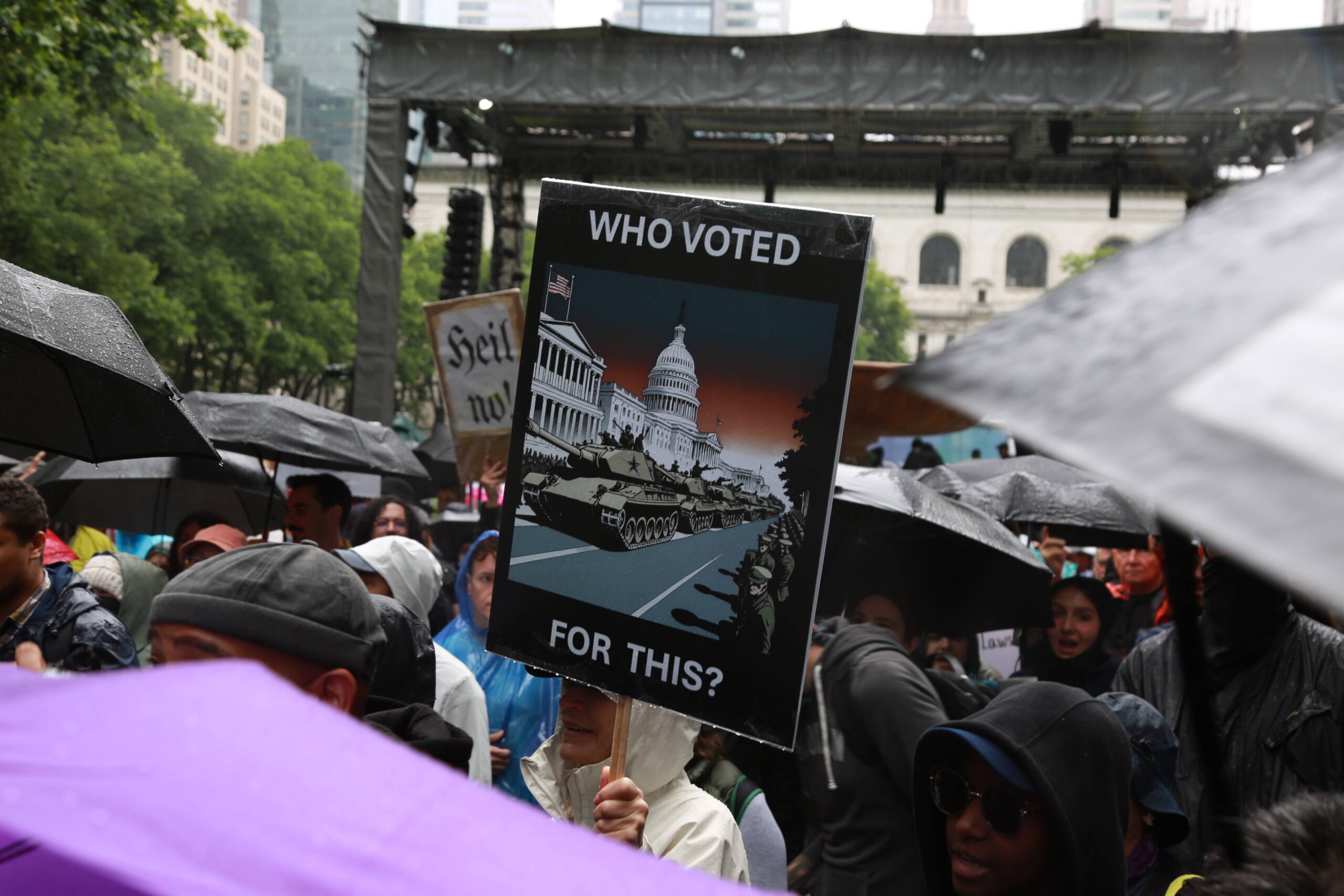
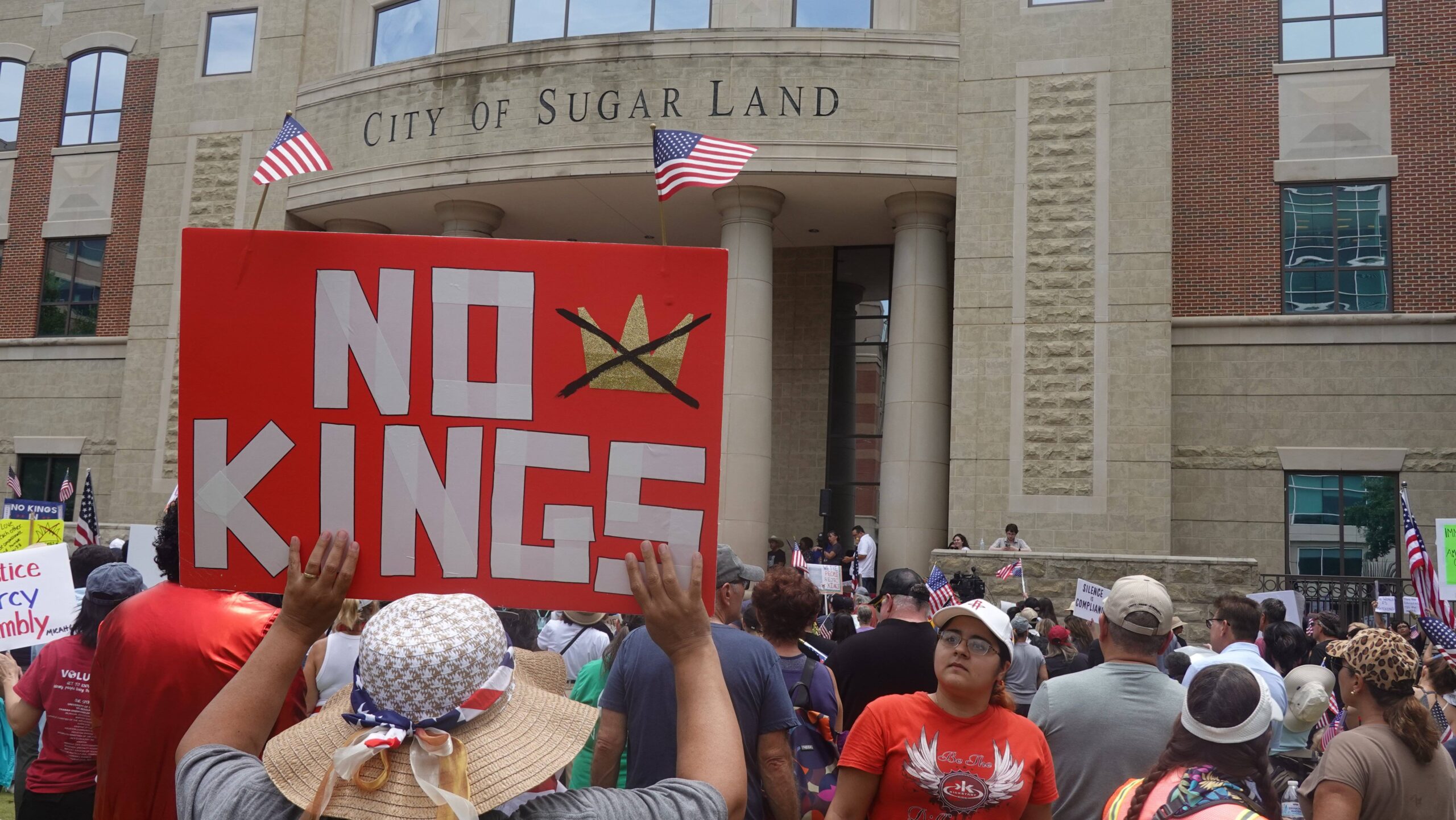
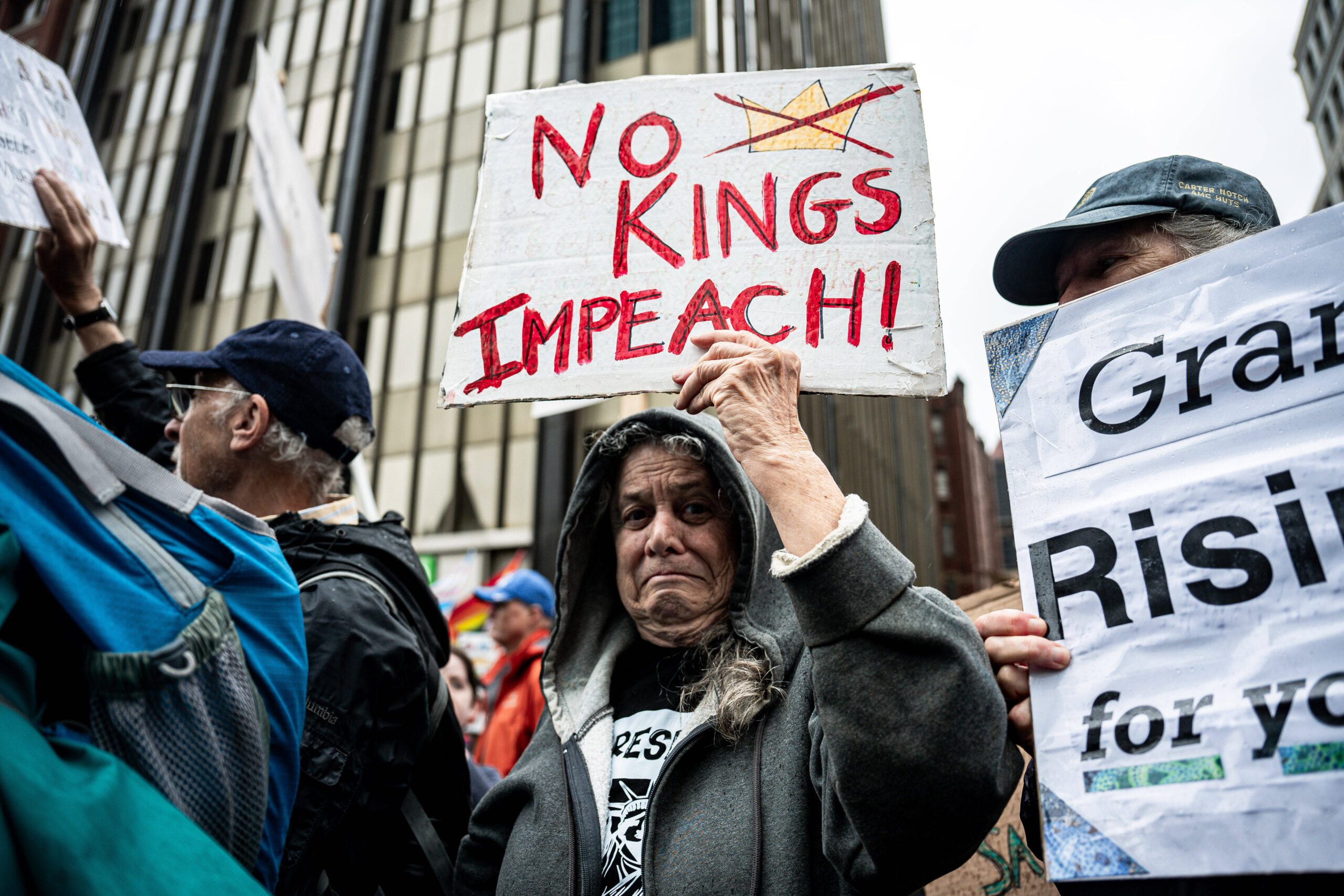
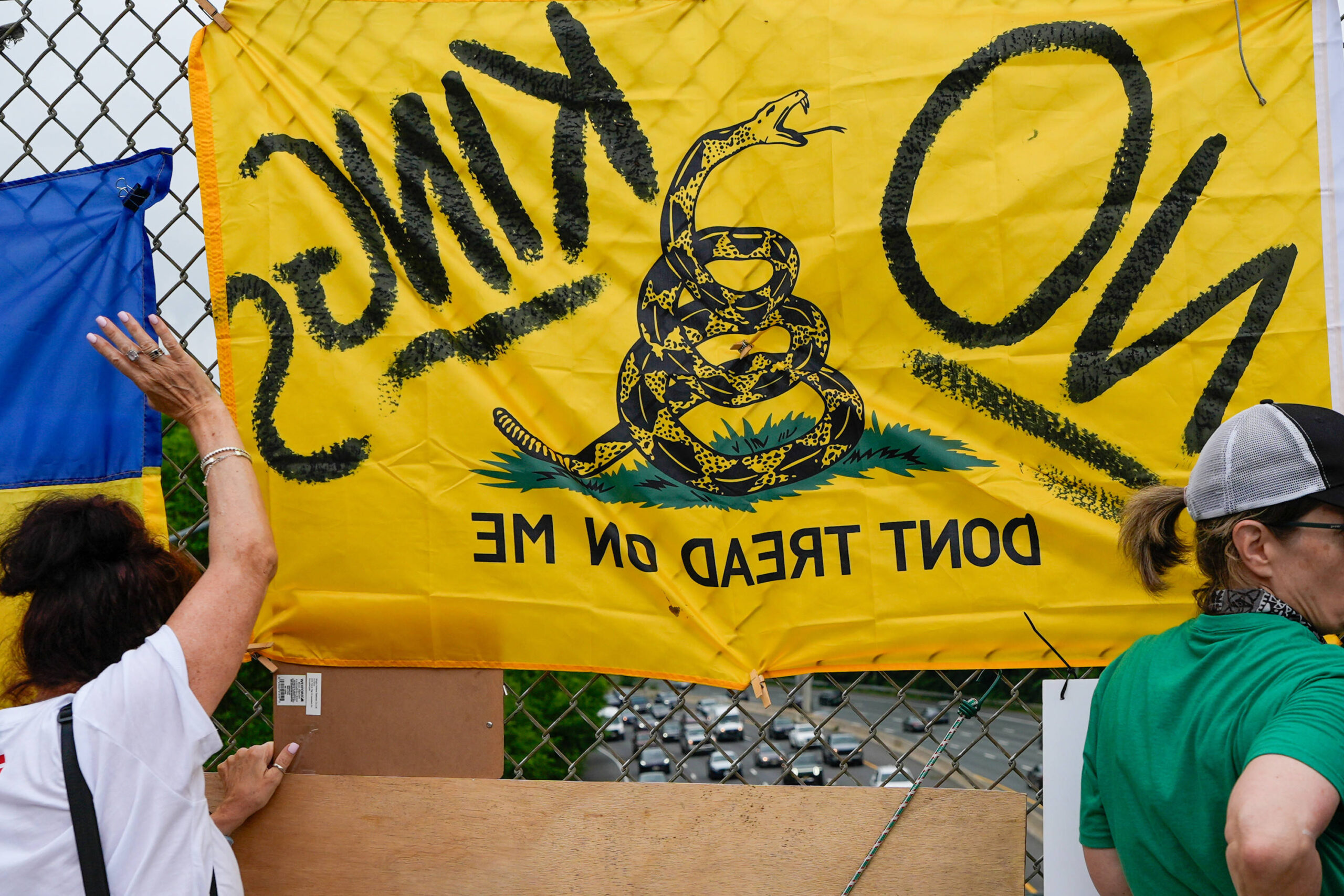
Plusieurs millions de manifestants au total, et à Washington, une foule clairsemée, bien en deça des 250 000 attendus, qui accentuait le kitsch de la mise en scène.
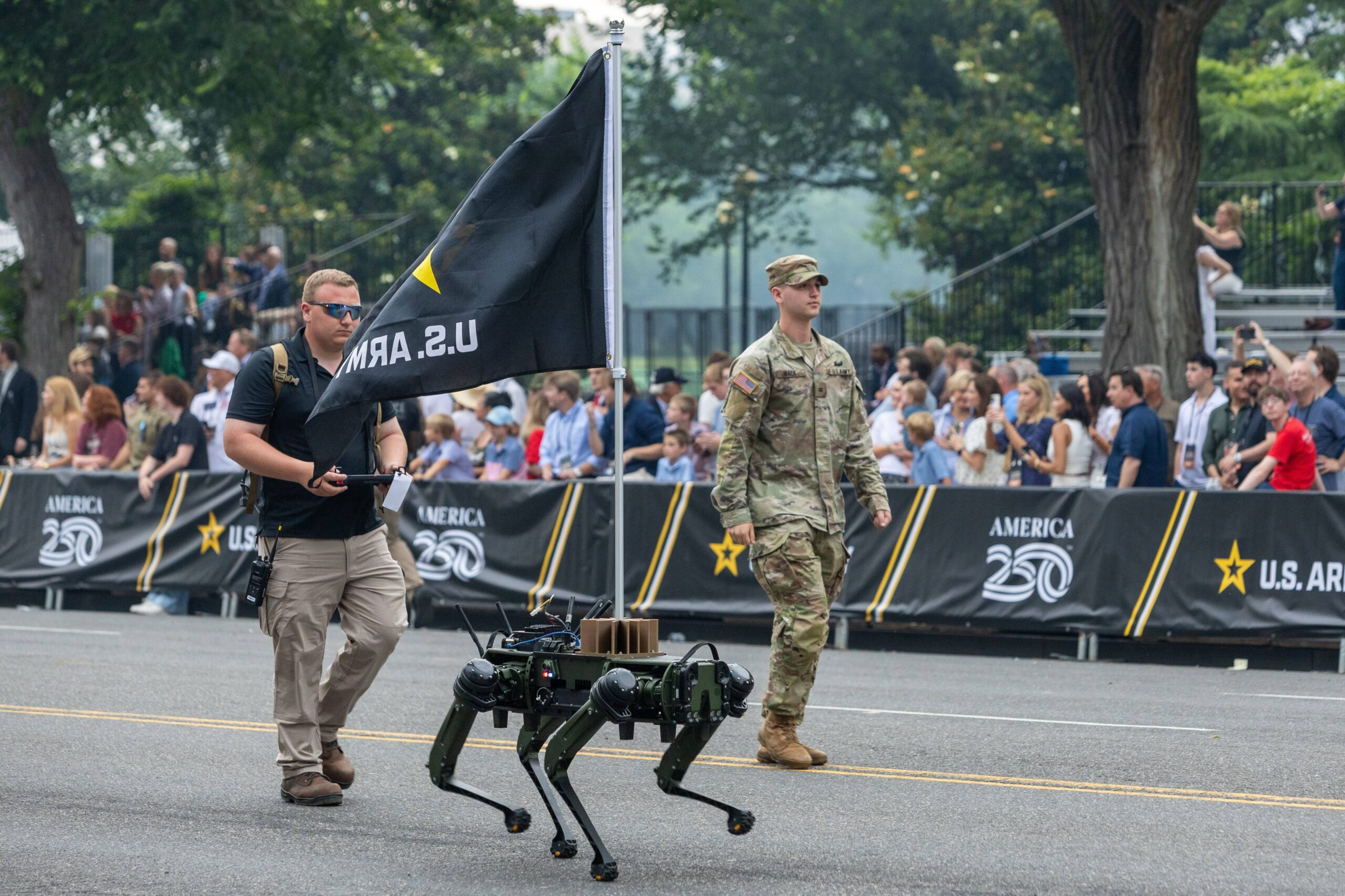
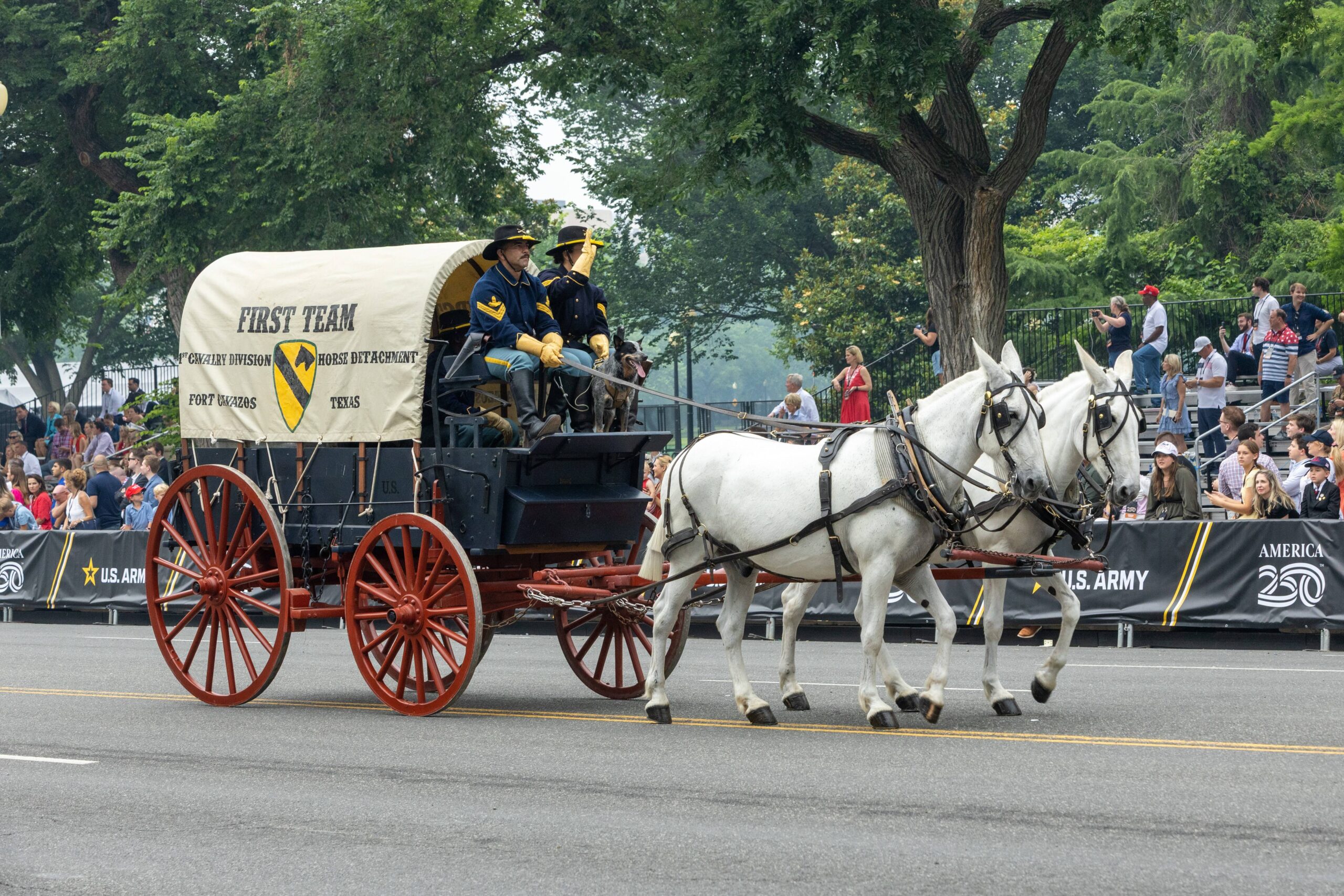
Shuddering tracks of tanks spoke in awkward silence, and the soldiers did not march in step, either due to lack of training or deliberately, by a “slackening of zeal” according to some military observers.
This parade was a birthday party paid for by the country, but without its wishes.
The American story is that of a power no longer able to unify around itself.
Donald Trump’s imperial pretensions collided with the barricades of American democracy. The American president sought Caesar’s triumph; he found only his solitude.
That is the second lesson: a parade is a narrative only if the social body ratifies it, and the American social body rejected this narrative.
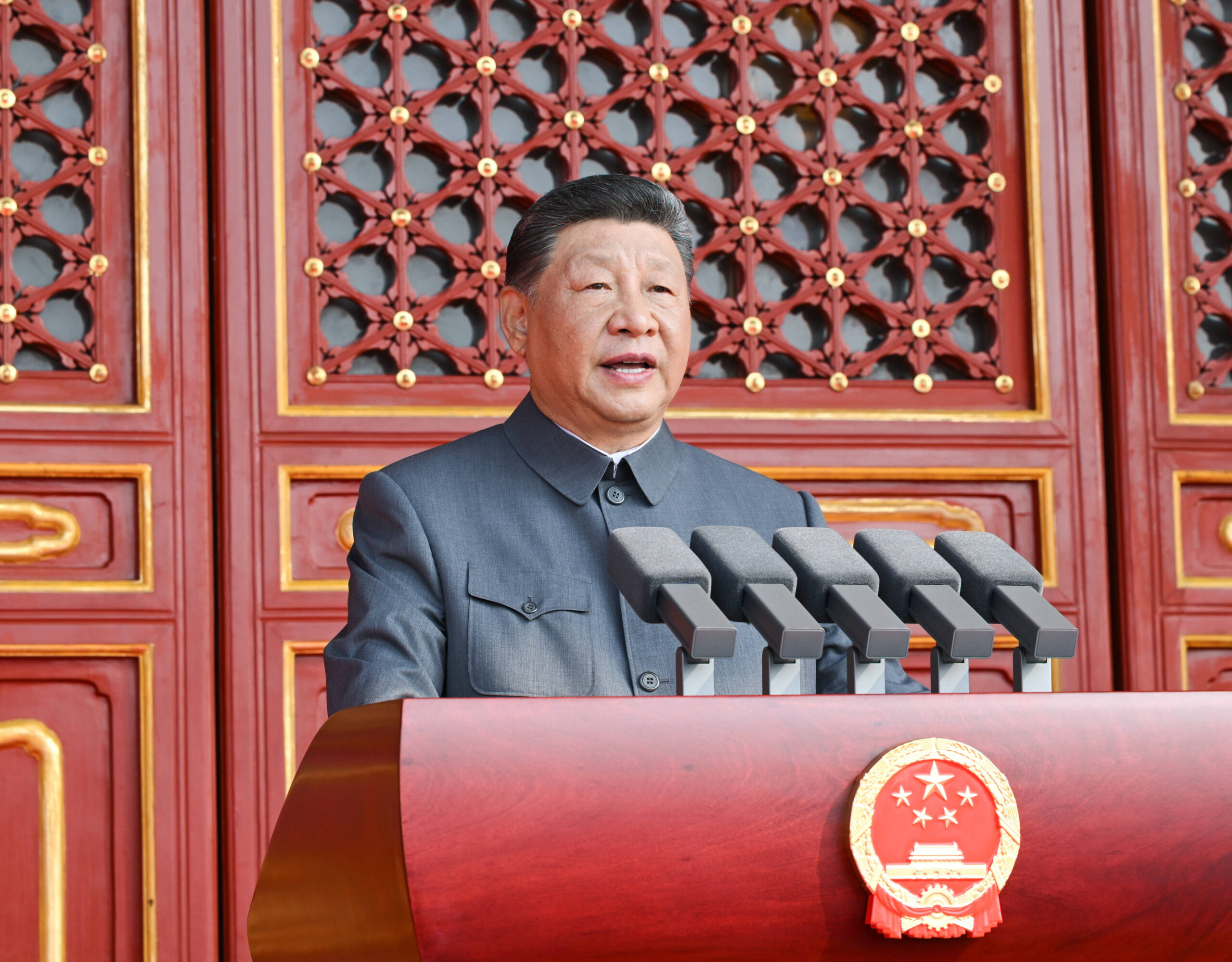
Third Scene: In Beijing, September 3, 2025, the cold success of mastery
Three months later, on Tian’anmen Square, Xi Jinping delivers a performance that appears the opposite.
For the 80th anniversary of Japan’s capitulation, fifty thousand disciplined spectators attend seventy minutes of scheduled spectacle.
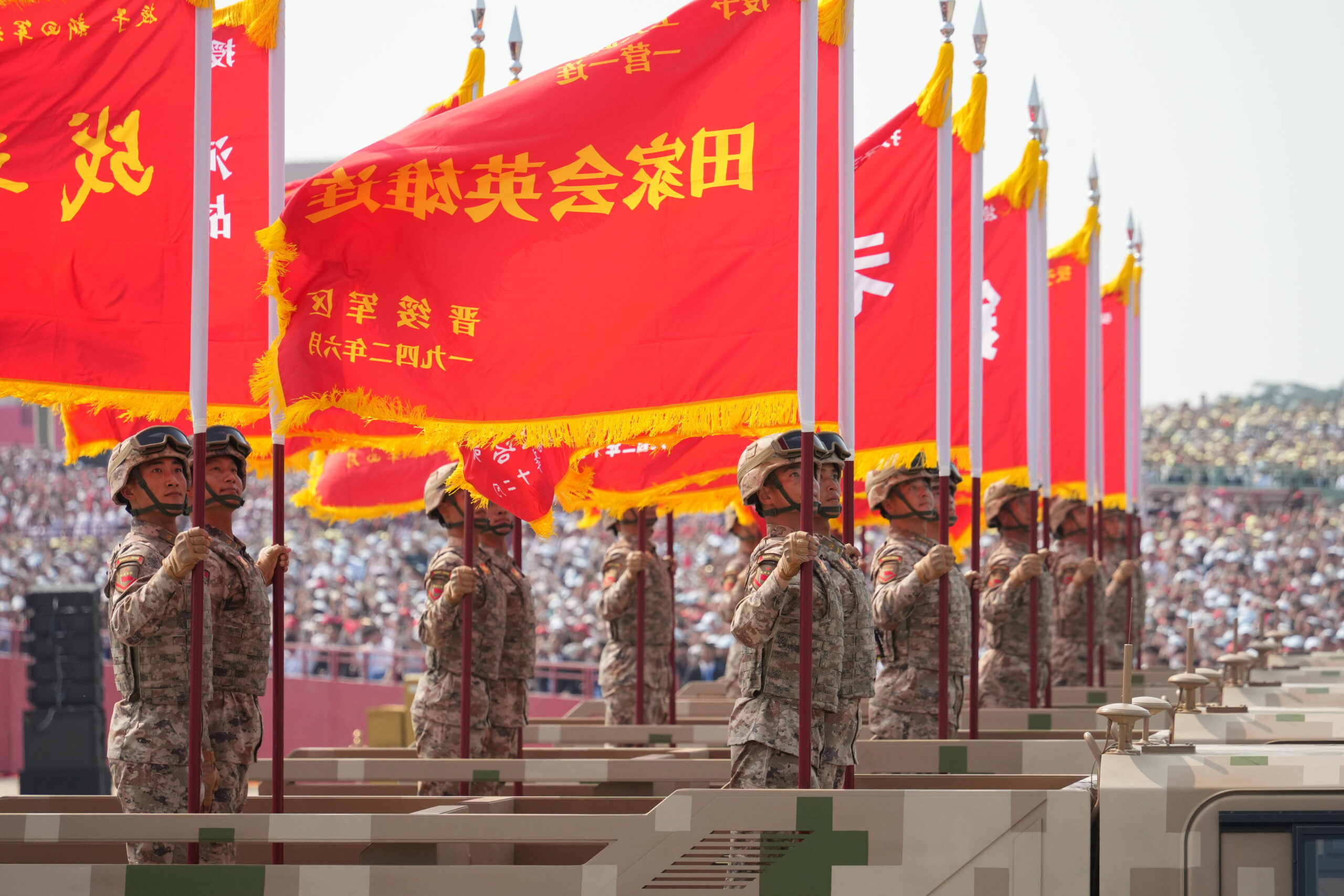
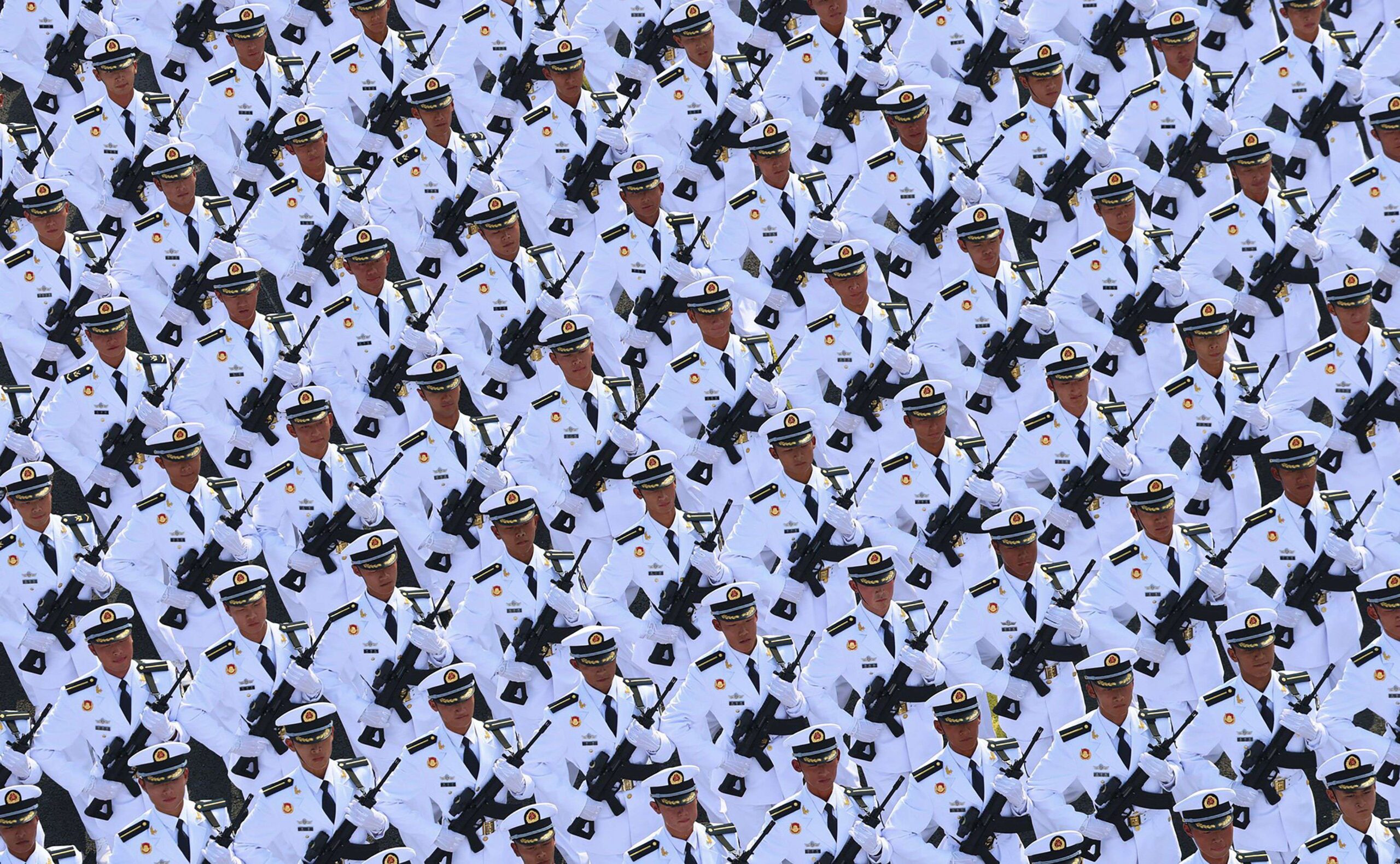
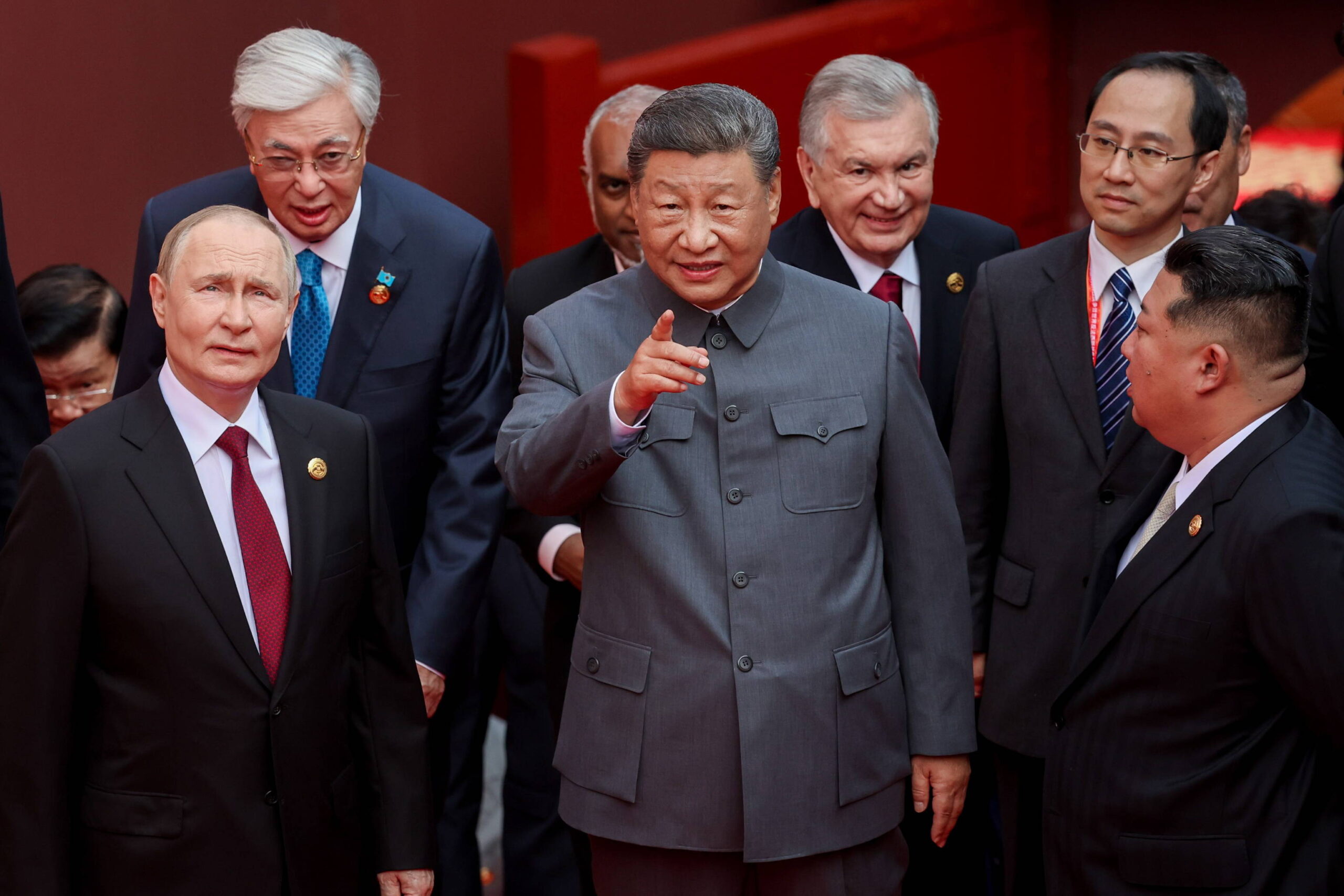
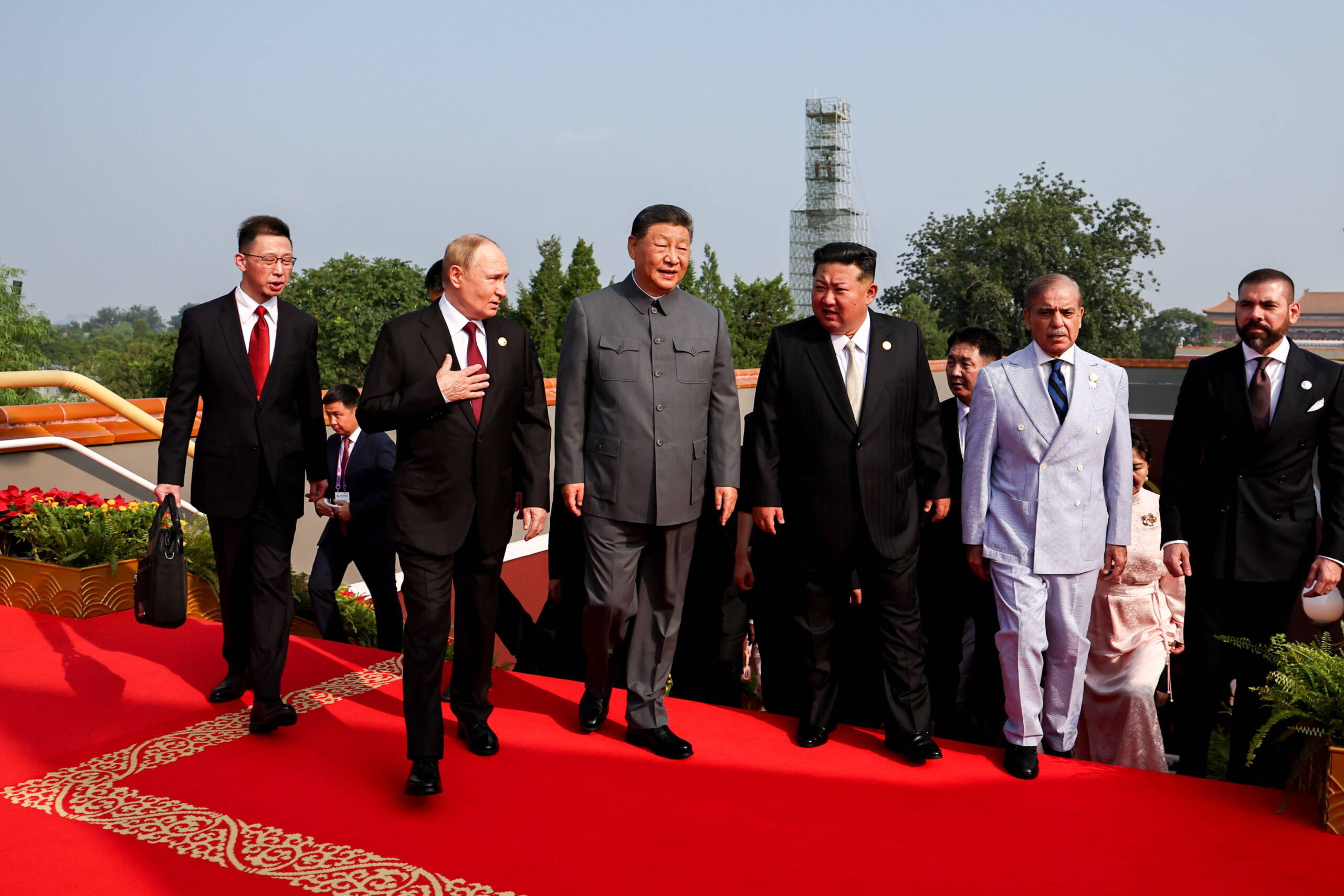
La technologie du futur était exhibée sans complexe : missiles hypersoniques, drones sous-marins, « robots-loups » armés.
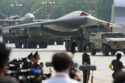
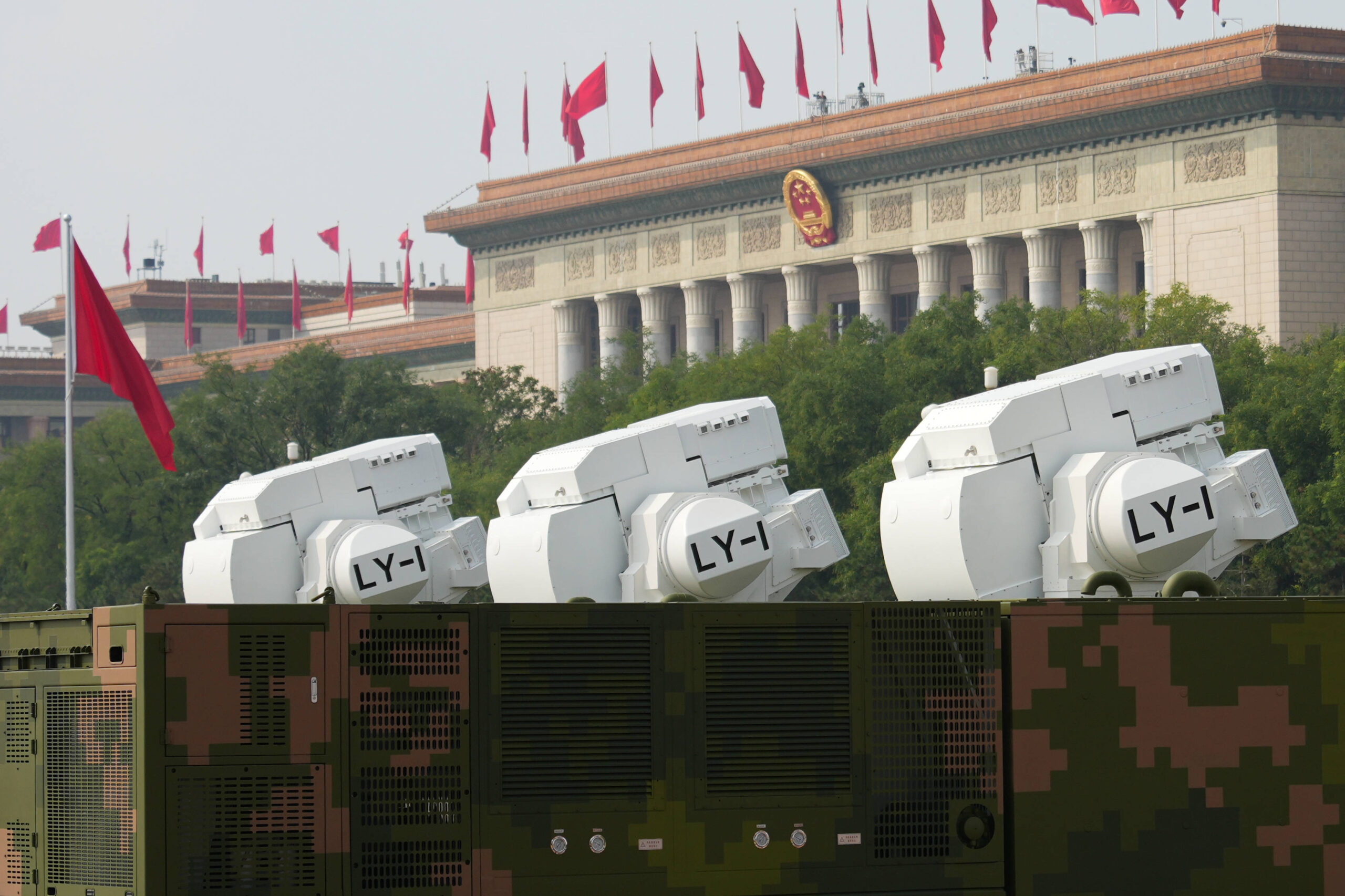
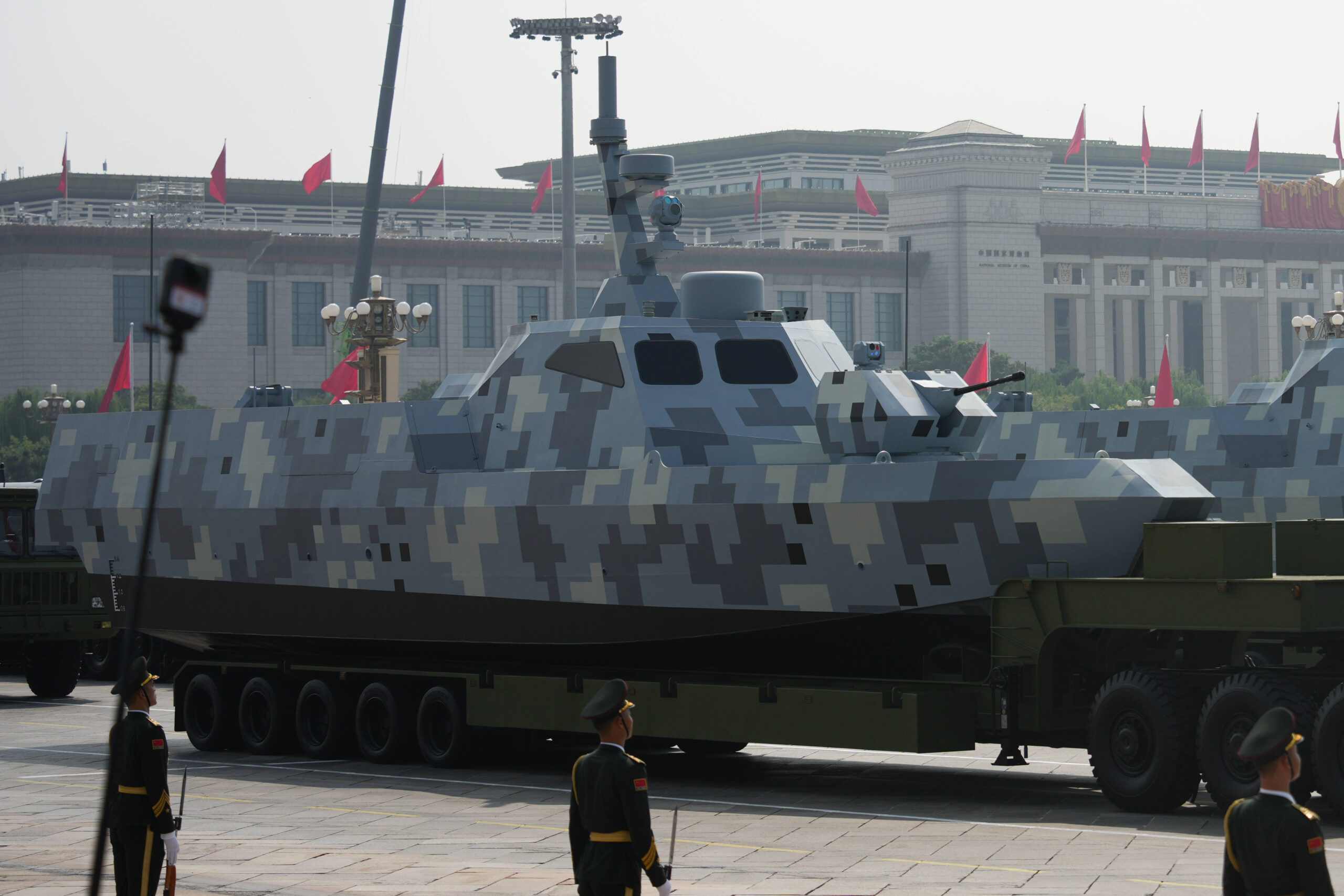
The final sequence of the show was as tightly timed as the rest.
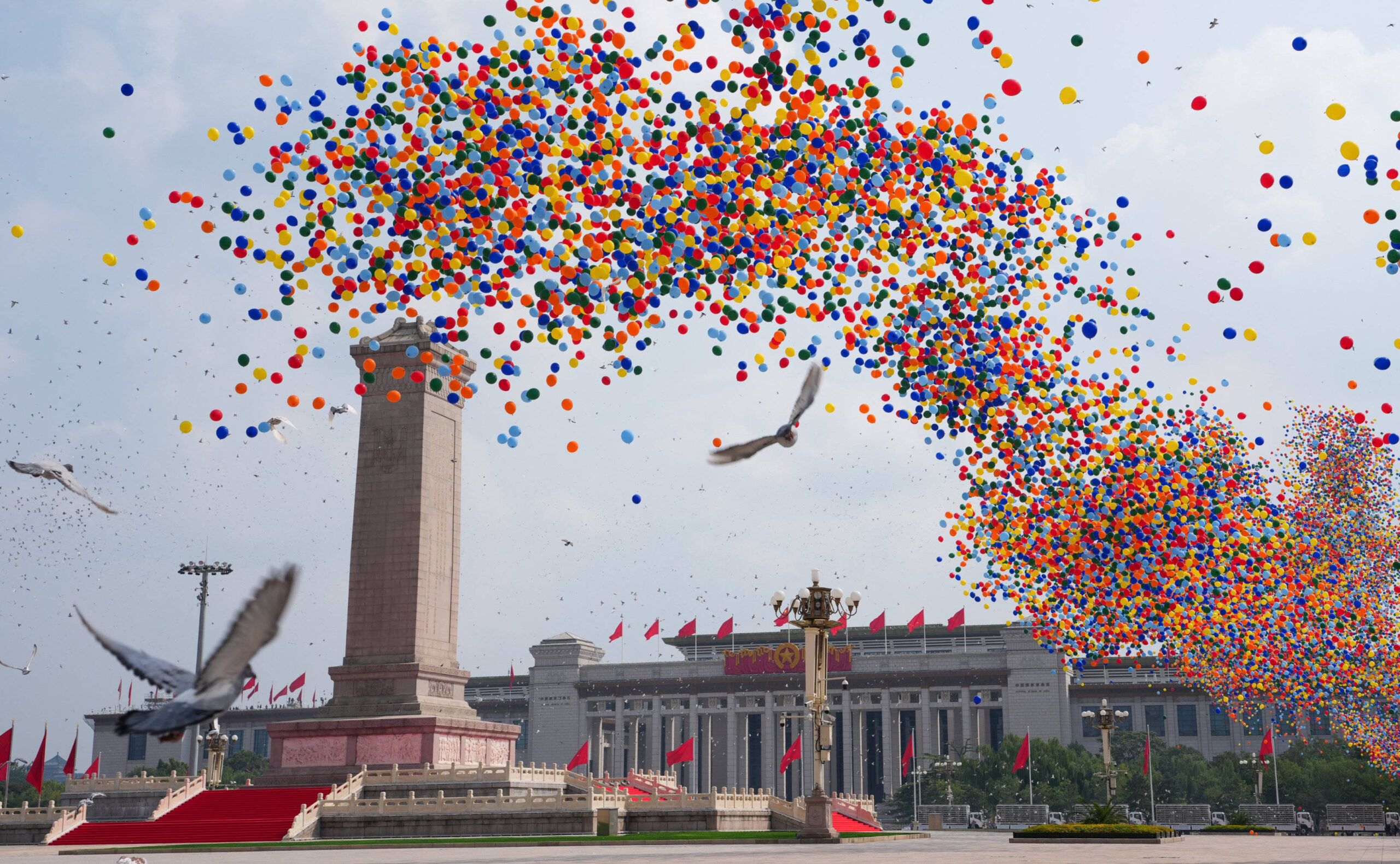
Where Moscow shows what remains of the Cold War, Beijing shows what could replace it.
The message is mastered to the last word.
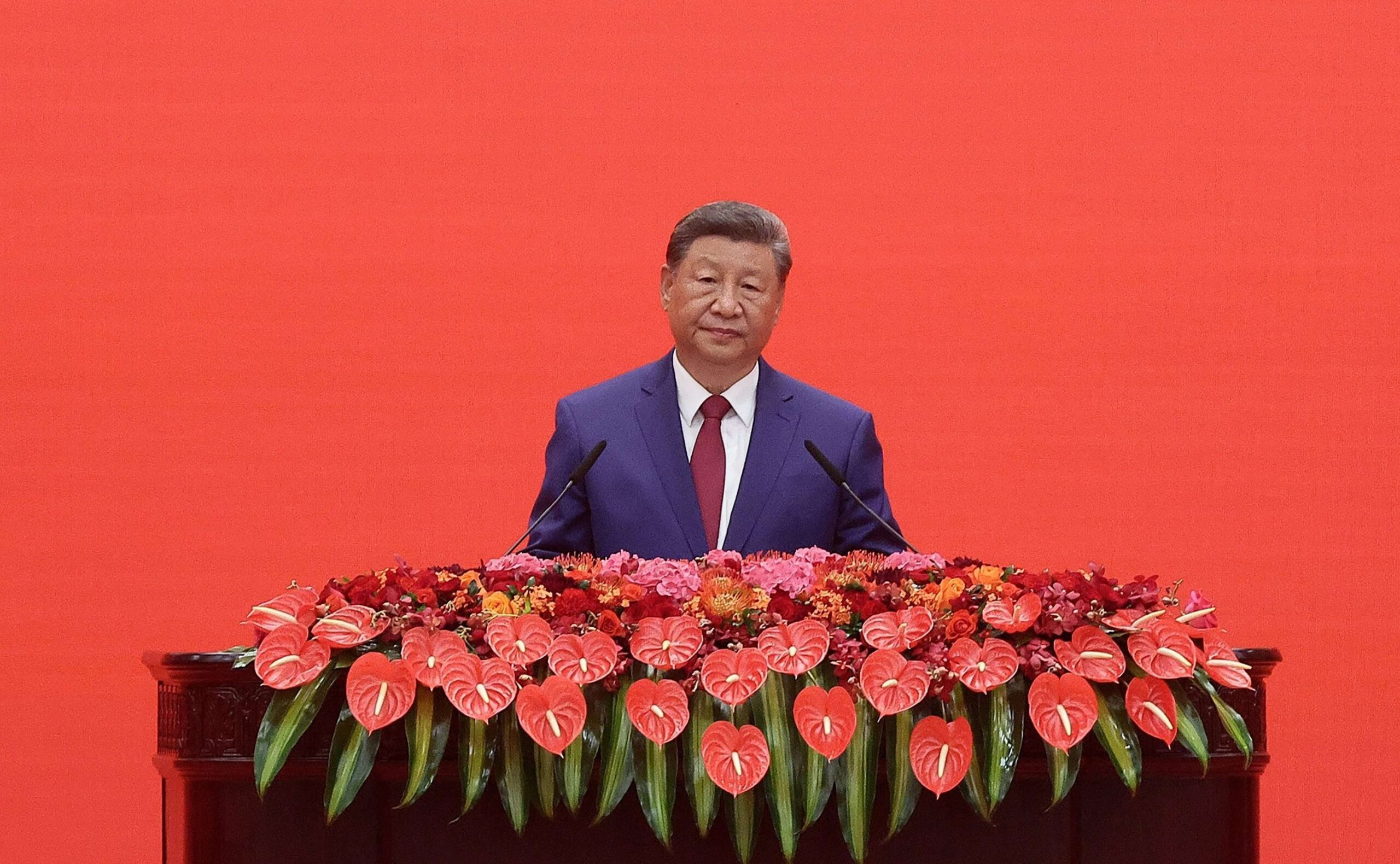
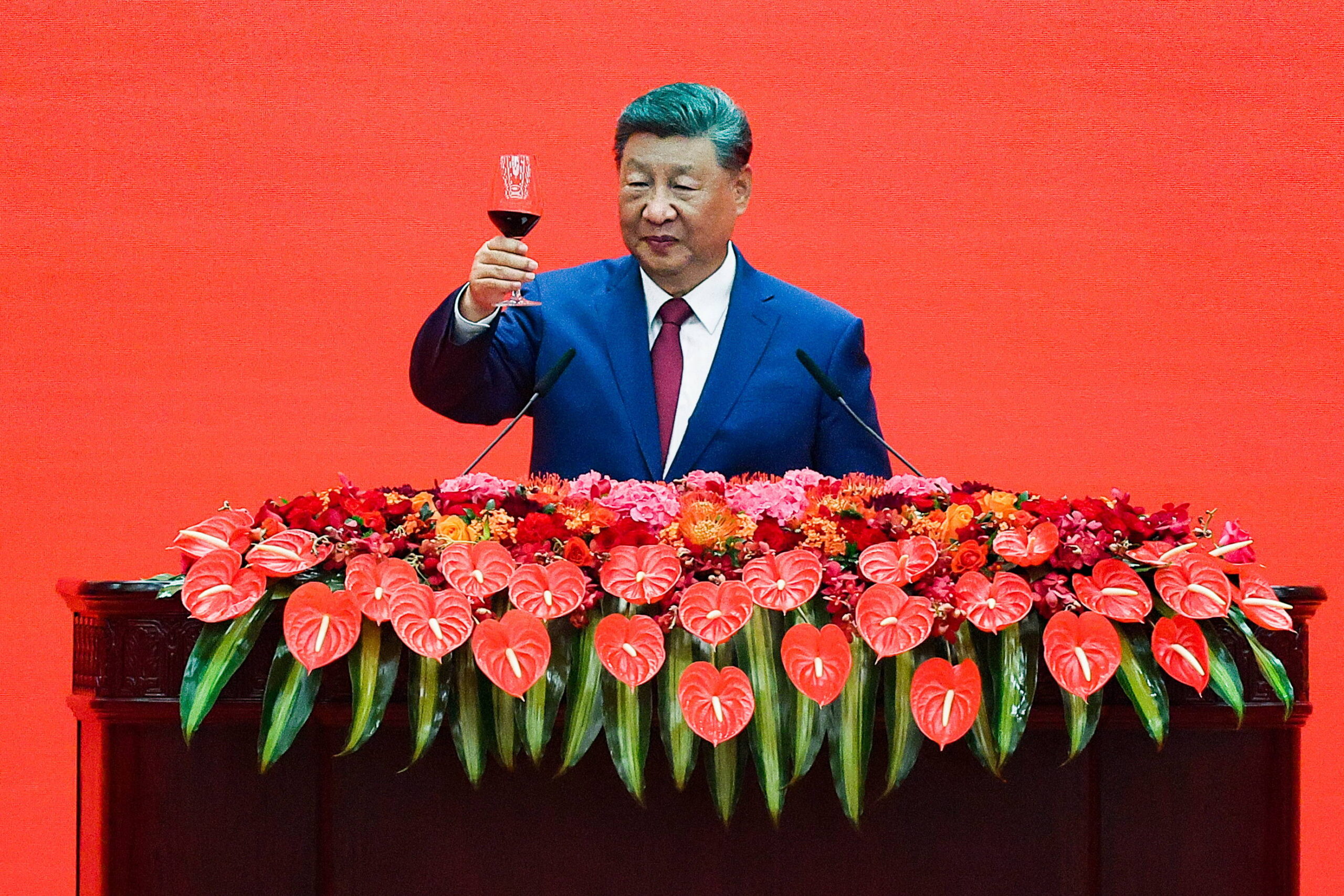
In a scripted speech, Xi pronounces the formula that now structures Chinese geopolitics: “Humanity faces a choice between peace and conflict, dialogue and confrontation, mutual benefit and zero-sum game.”
The Chinese people “stand firmly on the right side of history.” In other words: we are no longer the disruptive power; we are the order.
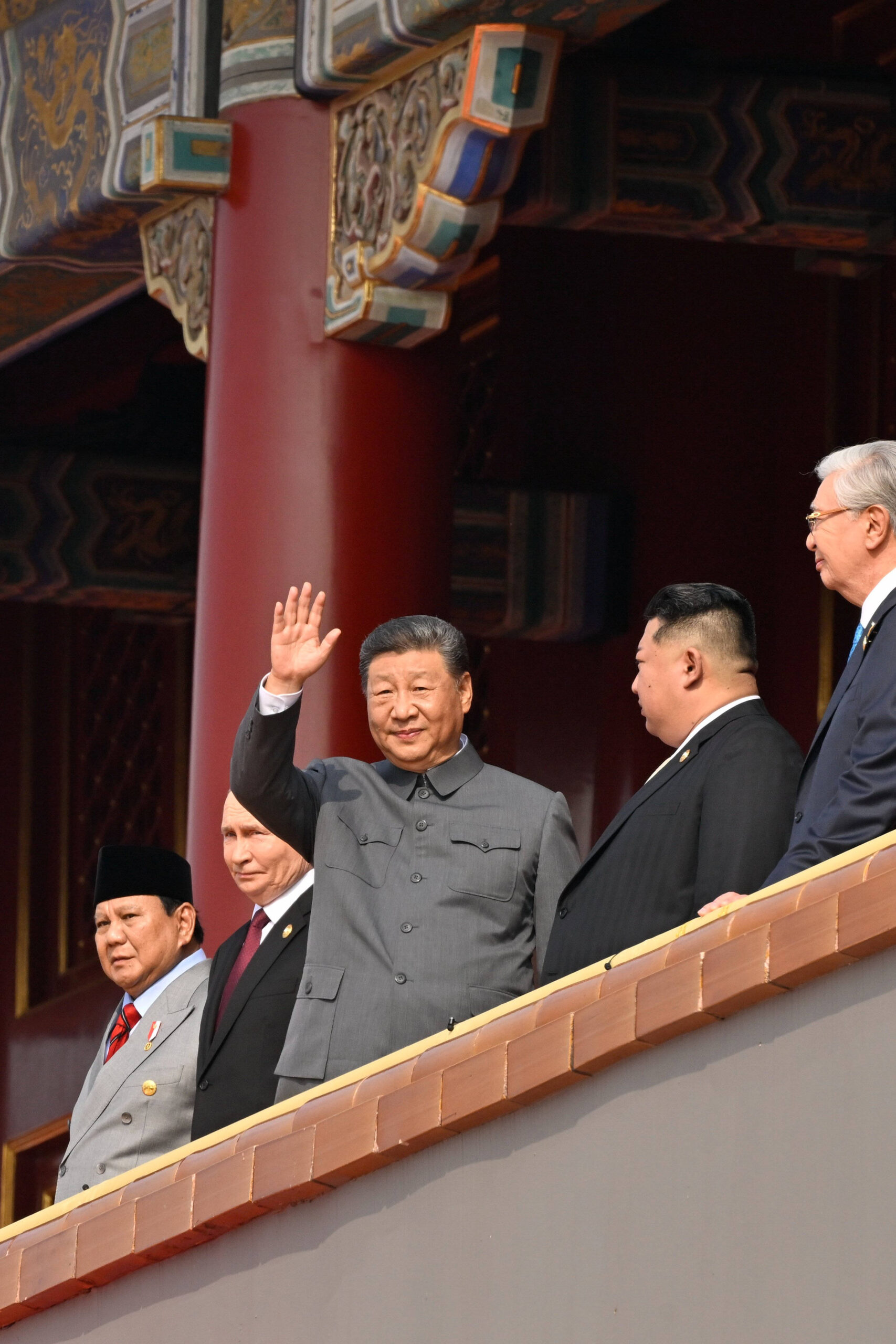
La limite est pourtant visible sur ce que les photos ne contiennent pas.
Les Occidentaux ont boudé Pékin — à l’exception, une fois encore, de Fico et de Vučić — et la Chine a réussi son défilé devant un parterre de satellites et de parias du système international.
Contrary to Tianjin the day before, where Xi managed to attract Modi, the Chinese president here only gathered the convinced.
That is already a great achievement, but it is not yet hegemony.
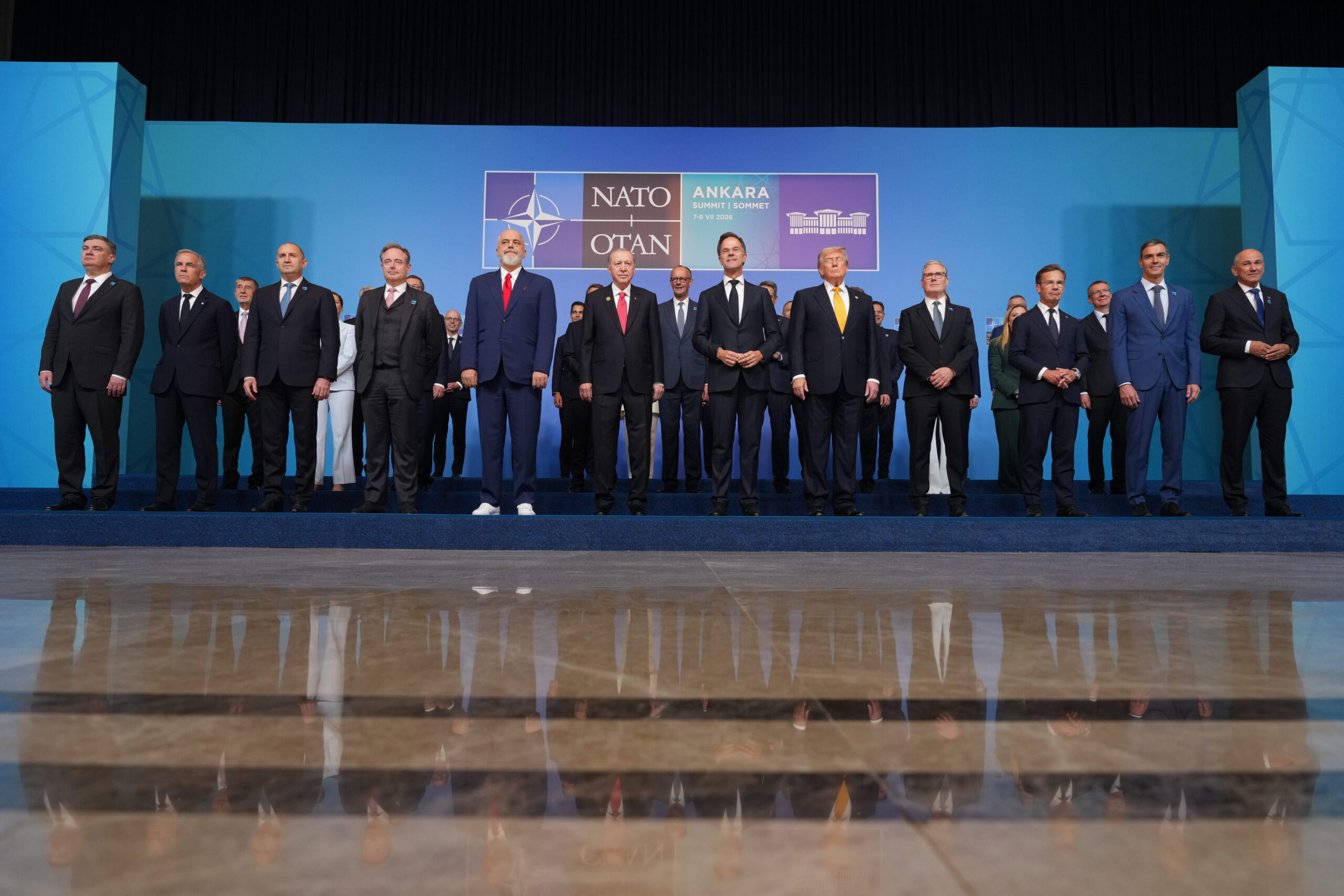
Fourth Scene: In Ankara, July 7-8, 2026, the turning point of a Summit
Between the Beijing parade in September 2025 and the Paris one in July 2026, a turning point occurs and a single event reveals its form.
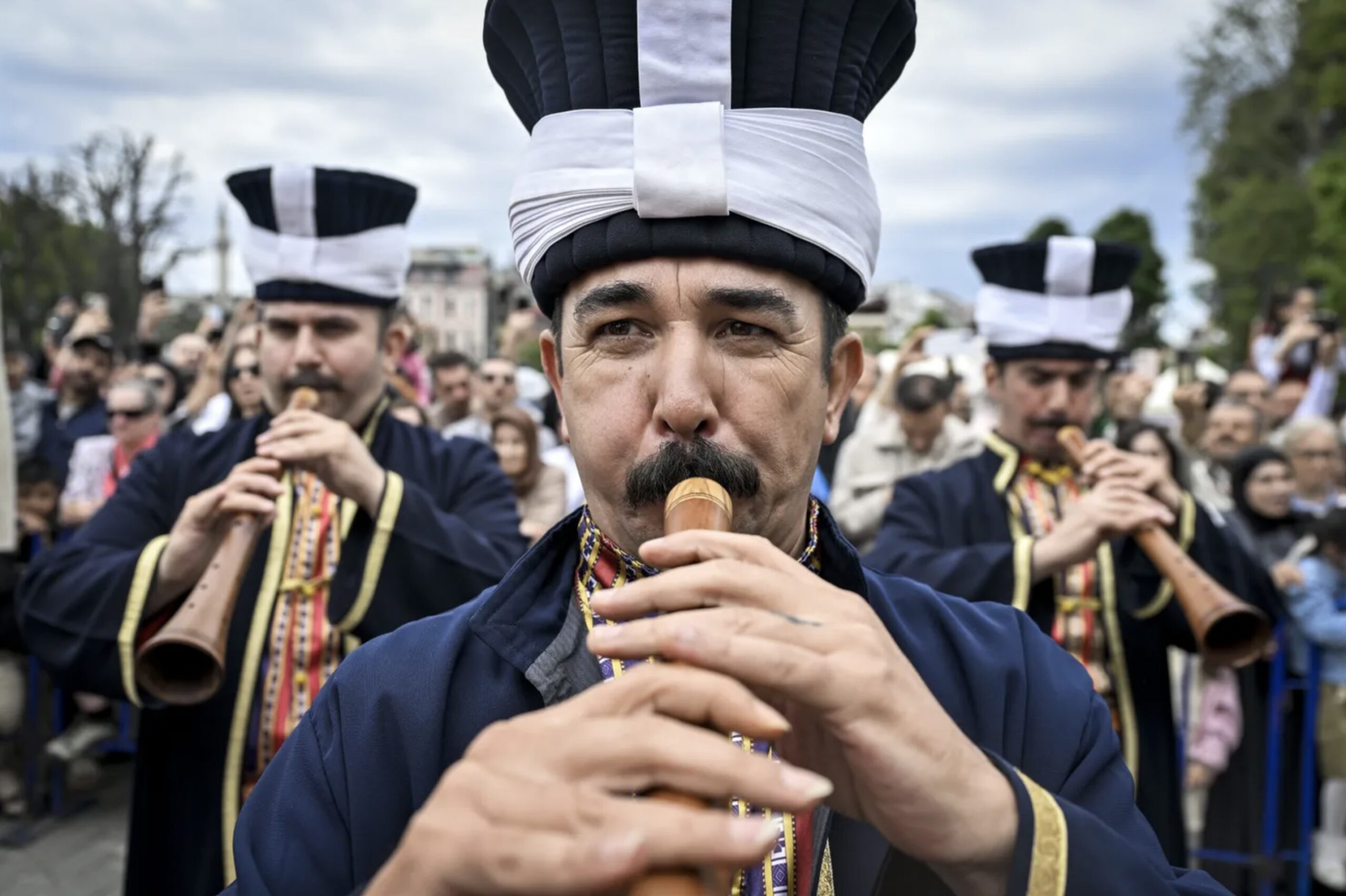
The NATO summit organized by Erdoğan — who claims a new centrality and an Neo-Ottoman pomp — was meant to ease tensions with Trump.
It produced the opposite.
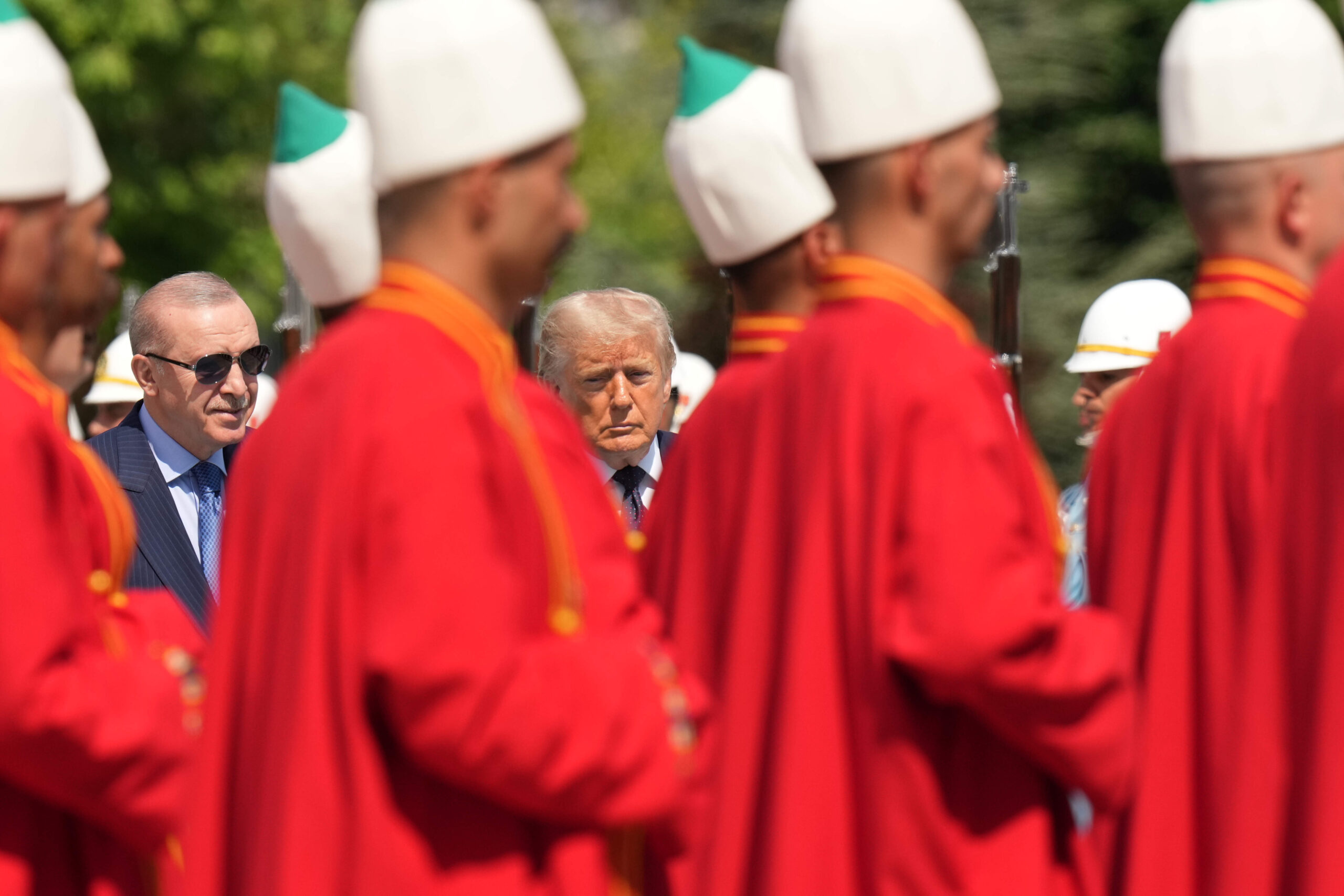
The American president there declares that he is “very disappointed with NATO” and that without Erdoğan he might not have even come.
He accuses Italy, France and Germany of having “let him down” during the Iran war, asks what use allies are who do not fight — the inverted article 5, in short —, recalls his claims on Greenland and multiplies attacks on his most loyal supporters.

At Ankara, a quiet but probably irreversible shift is taking place: NATO as the sole framework for European security is now insufficient.
Europeans still come, but they go away organizing their security on the side. It is precisely in this void and in this sequence that the parade preparing tomorrow in Paris must be read.
Fifth Scene: In Paris, July 14, 2026, the first parade of the Coalition
What will we see tomorrow?
Five hundred soldiers from Coalition of Volunteers countries (British, German, Polish, Romanian, Canadian, Australian) will open the parade on the Champs-Élysées, followed by twenty-five Ukrainian soldiers.
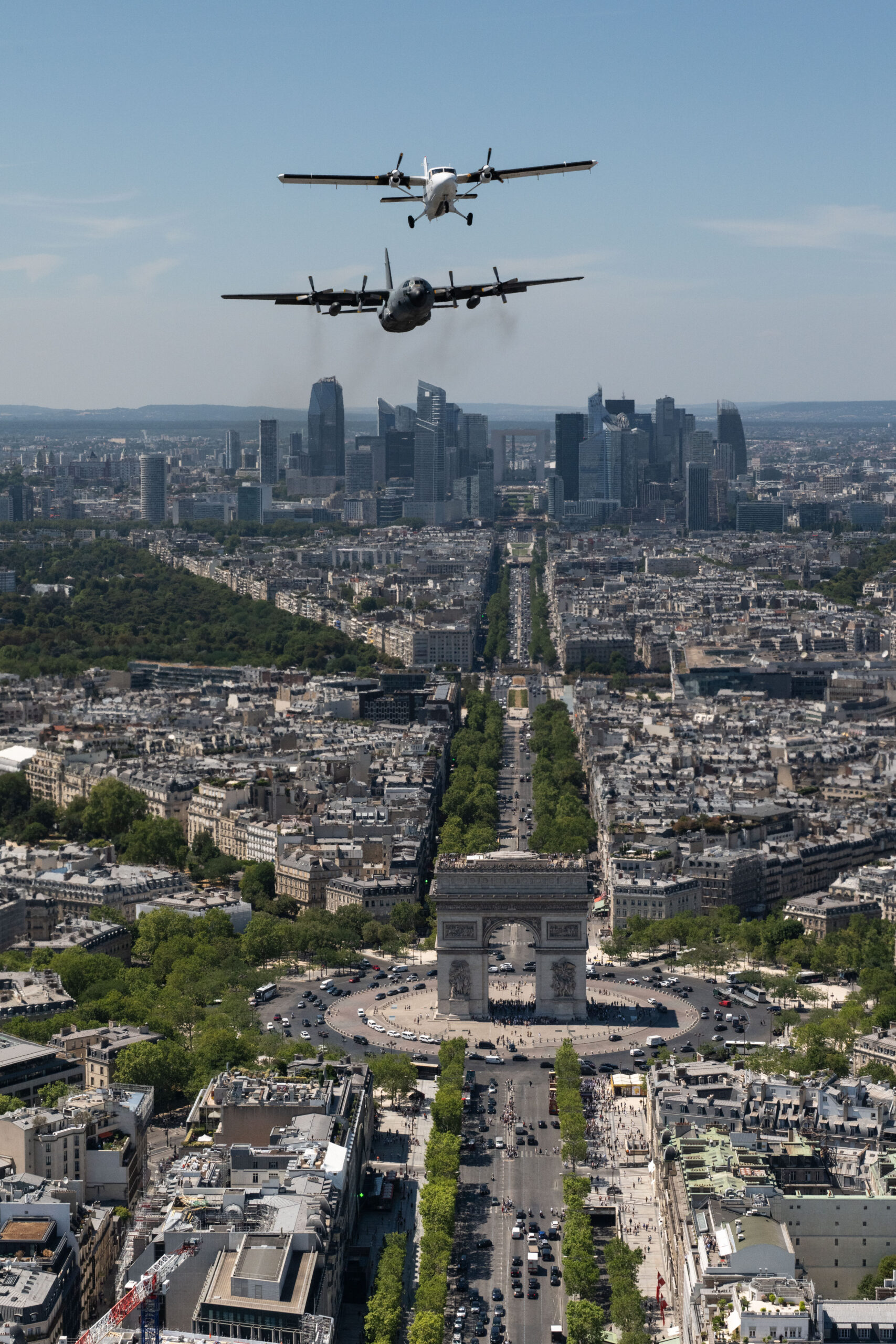
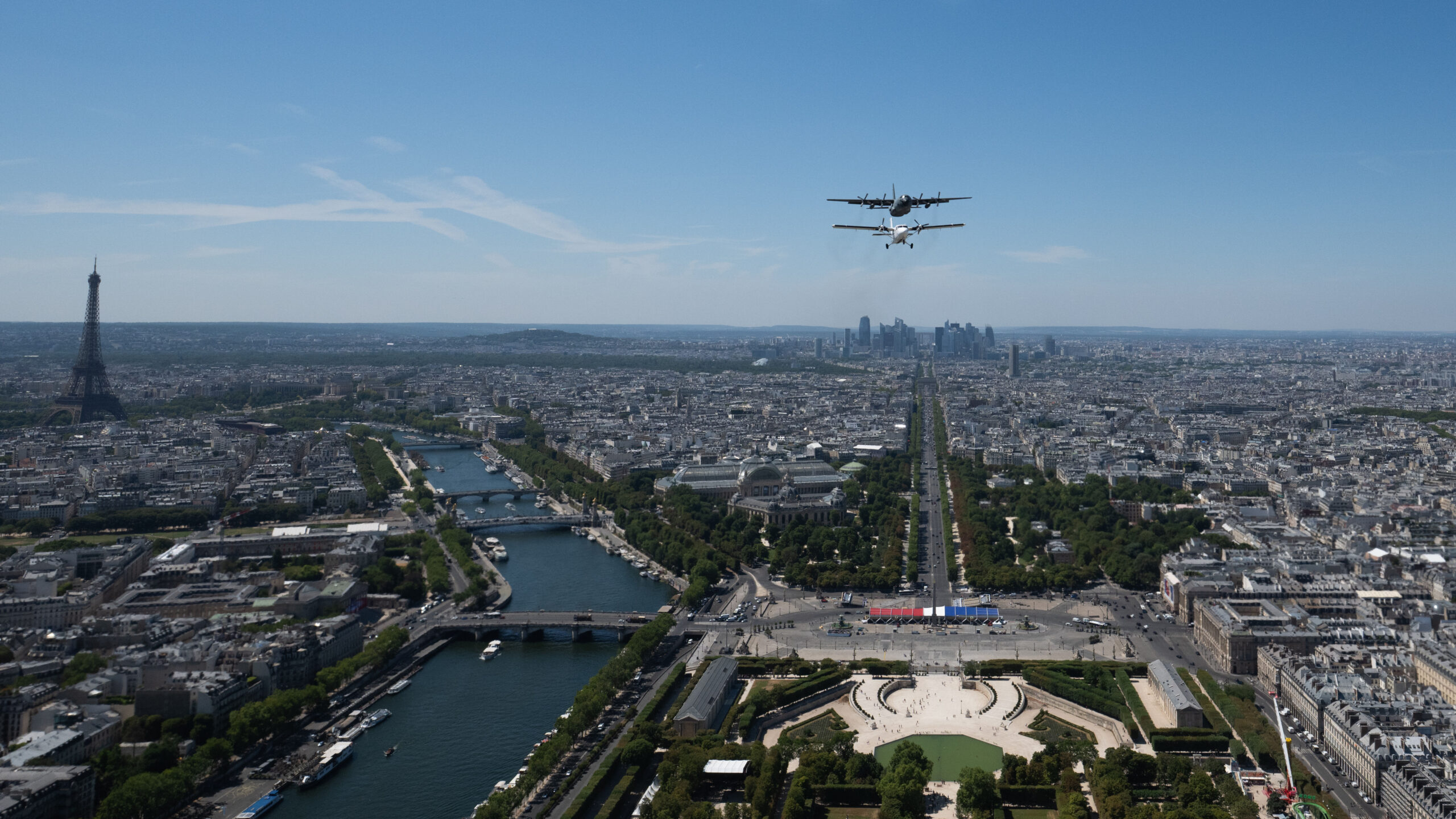
According to the protocol released, two Mirage 2000B aircraft flown by Ukrainian officers trained in France will overfly the avenue.
About thirty heads of state and government will be in the stands, including Volodymyr Zelensky and Friedrich Merz, who speaks of a “personal honor.”
The format is record-breaking.
6,800 marchers on foot, 30% more vehicles and aircraft, as well as devices bearing fictitious weapons and helicopters flying above the tanks to recreate a battlefield scenario, a first openly acknowledged by the Élysée as a “strategic signal.”
It is also Emmanuel Macron’s tenth and final parade, and one might well see a doctrinal testament in it.
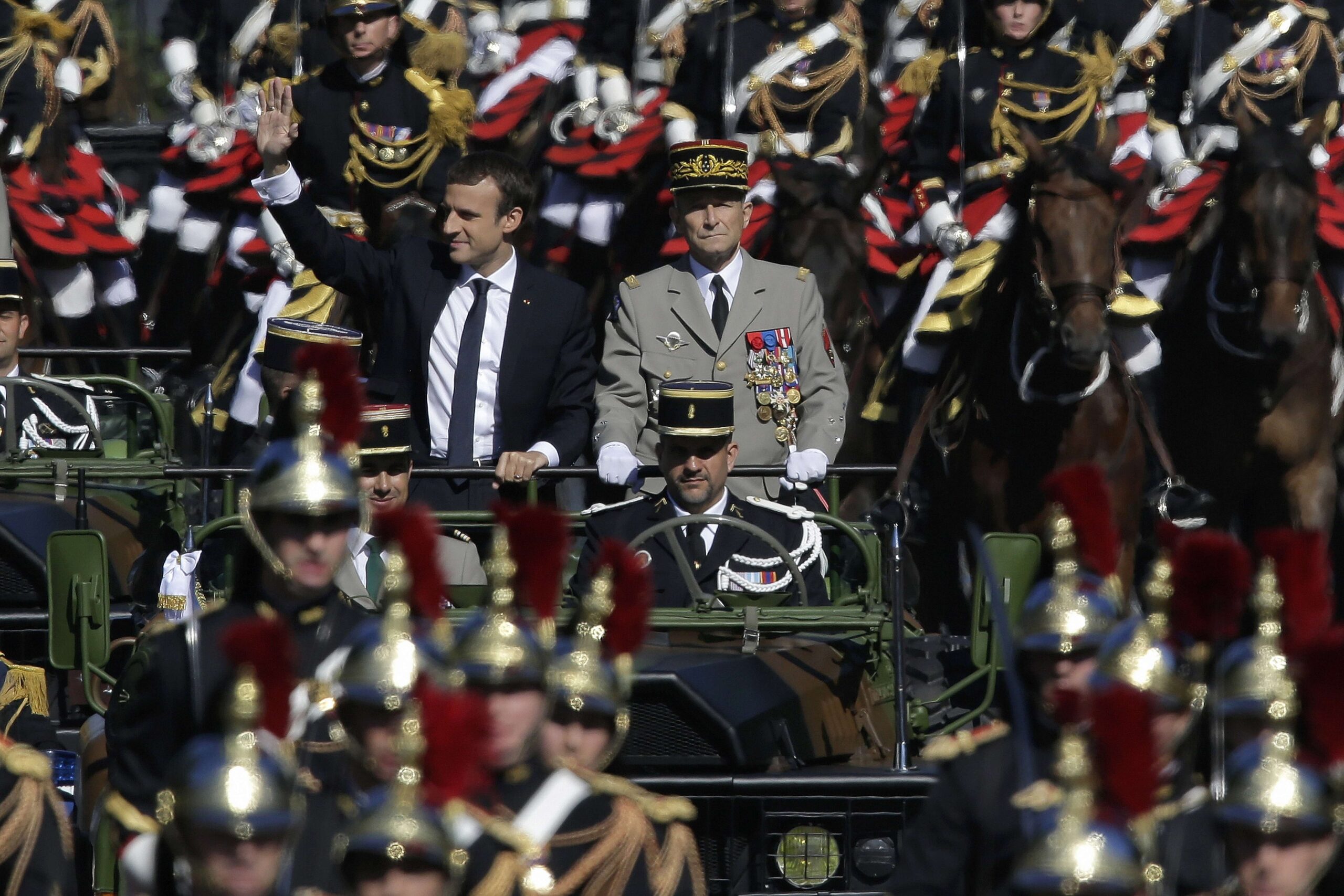
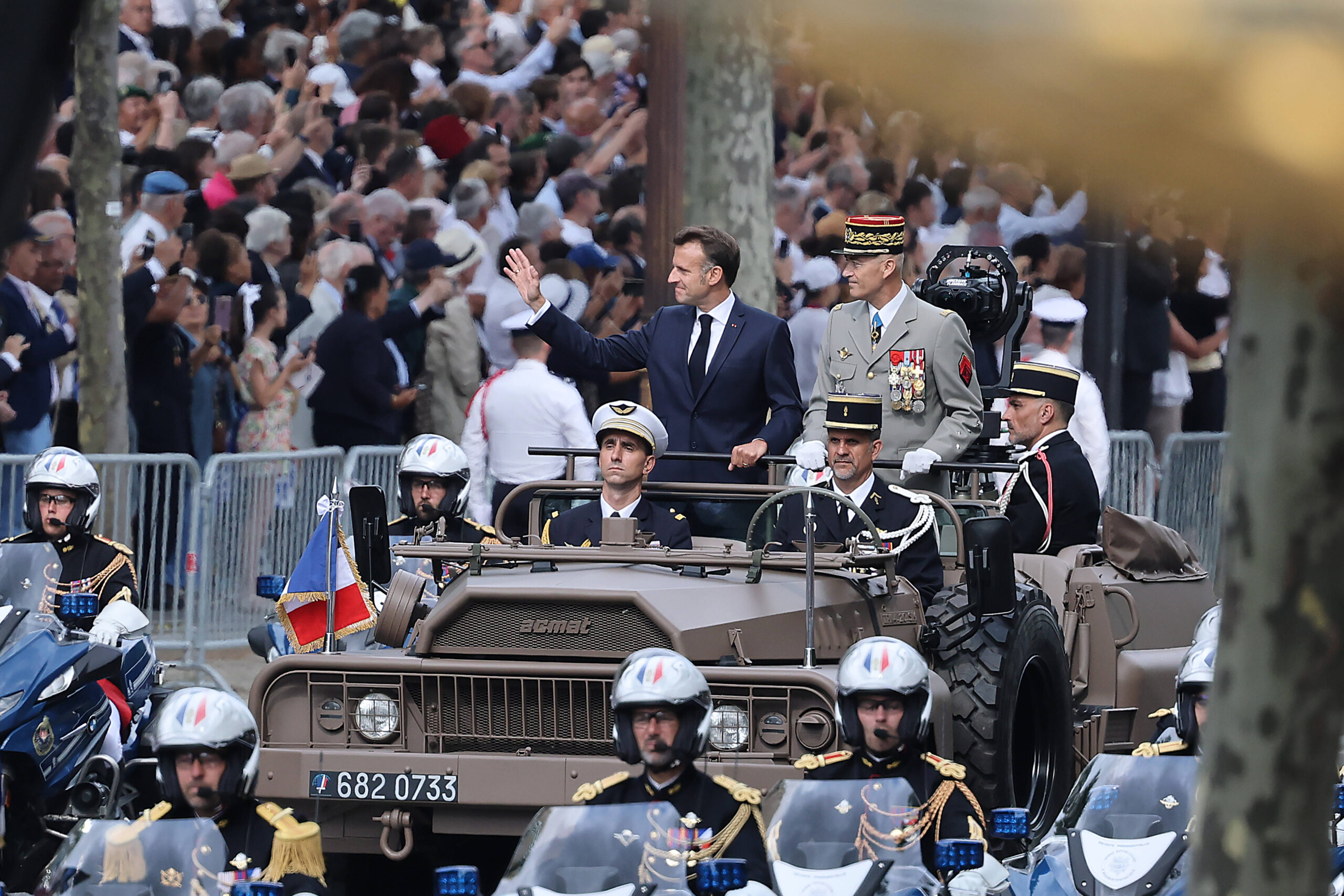
What we will not see will be massive. The United States will not parade.
This is neither a memory nor a last-minute calculation: this coalition of volunteers, now totalling 37 countries after Moldova and North Macedonia joined, comprises most of NATO, with the United States, Hungary, and Slovakia omitted, as well as Japan, Australia, New Zealand, Ireland, and Ukraine. It is thus a NATO without America, but with the democratic Indo-Pacific.
This absence constitutes the main geopolitical fact of this edition of the July 14 parade, yet it is neither sanctioned, themed, nor even mentioned.
Where Trump had sought a parade and failed, where Putin had to hide his mobilized tanks elsewhere to avoid humiliation, and where Xi paraded before his bloc, the French president parades in front of a new alliance that is forming.
We might simply call it “the Coalition,” for we are probably witnessing its founding act.
A procedural detail would be revealing if the announced arrangement is confirmed.
Mark Rutte, António Costa and Ursula von der Leyen will attend the Invalides meeting on July 13, in a technical setting where NATO retains its place. But on July 14, on the tribune, only von der Leyen would represent the European institutions, alongside U.S. General Alexus Grynkewich, Commander of NATO in Europe, invited in a military capacity; the Secretary General would not be on the Champs-Élysées.
In a parade that stages an alliance replacing NATO without ever saying so, that silence would be a stronger statement than any speech, and the composition of the tribune would constitute a form of recognition.
The official theme, “France’s rearmament and the European strategic wake-up,” is not mere decorum but the articulation of a doctrine.
One adviser to the administration speaks of giving the national celebration “a European coloration.”
Indeed, what France is celebrating this July 14 is no longer just France; it is a security community being born, with Paris as its articulation point.
Opening the parade with the foreign contingents inverts the traditional grammar: it is no longer France receiving its guests, but a coalition that has chosen Paris for its first joint military appearance.
The first three parades we have analyzed were imperial in nature. They sought to stage a leader, an army, a people, an enemy.
This parade is different: it is the concatenation of a new alliance that has not been inherited as the one whose reliability finally cracked in Ankara, but one that has been built in eighteen months around a single cause: European security, conceived as a European responsibility rather than a subcontracted mission.
A parade does not forge a doctrine. At the right moment, it confirms what reality has already produced. Putin hides his tanks, Trump threatens and quarrels with his allies, Xi Jinping speaks to his vassals, and Emmanuel Macron opens the Republic to others. The turning point may not lie in treaties, but in the first cadence of five hundred foreign soldiers marching along the Champs-Élysées.
What remains is that a doctrine only exists if it survives its founder. This parade will be judged on three points: the content of the commitments on July 13, the operational execution of the guarantees promised to Ukraine, and the coalition’s ability to endure beyond the presidential term that founded it. If these tests are passed, this July 14 will not be just another parade, but the first step of a new European order.