
After clearly losing the presidential election, Flávio Bolsonaro left Brazil, traveling through Argentina and Ecuador to reach the United States. From Florida, where he presents himself as the “elected president” of Brazil while denouncing “electoral fraud,” he posted on X on October 28 a “Letter to the Brazilian nation” in which he addresses “the Brazilian people and the Brazilian community as the leader of Brazil.”
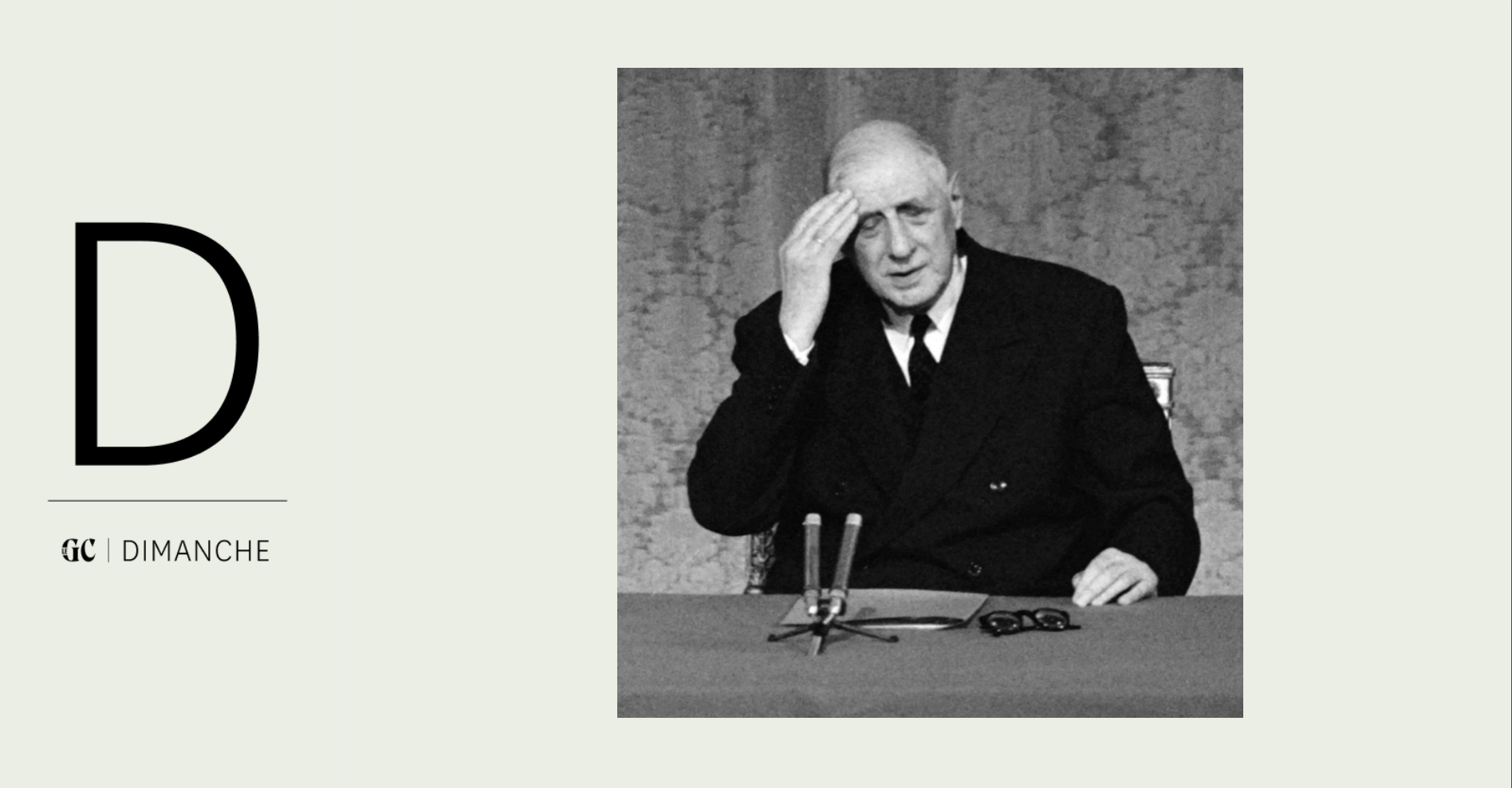
He compares himself to de Gaulle, who left France in June 1940 and opposed the Vichy government. He also compares himself to José Martí, the hero of Cuban independence and founder of the Cuban Revolutionary Party, a reference just as surprising for a Brazilian right-wing leader.
Flávio Bolsonaro may compare himself to whomever he wishes, but that does not change what he is. He fled his country after losing a democratic election, while he is the subject of investigations for financial crimes. De Gaulle had left his country to refuse submission of the French government to a foreign power, Germany. Bolsonaro leaves his country to submit to a foreign power: the United States.
This comparison is therefore the product of a desperate lie, but beyond the lie there is a mechanism of perversion since these statements are accompanied by a certain pleasure among those who utter them, among those who call courage cowardice, democracy corruption, truth the false and false the truth. Pleasure in seeing those who discover that one can, in our era, say anything and be heard. Pleasure in watching those who know, like Hannah Arendt, what awaits us in a world where we renounce the very notion of truth.
It is impossible not to notice that this kind of discourse, which I would call perverse, is developing today, in the age of humanity we are traversing. A discourse where words are detached from both the things they designate and from a conscience that could think them with sincerity.
It is impossible not to notice that, moreover and without any a priori link, this is exactly the double hallmark of another type of discourse that is breaking into our world: discourses generated by the Large Language Models. The words are calculated without access to the things. No conscience thinks them for us, providing them.
Through this double disconnection, the relationship to the idea of truth has become an impossible relation.
Bolsonaro’s statement is to words what a deep fake is to images. It produces the same effect, both tragic and comic. It may be that one is the symptom of the other—only the future will tell what will become of us in this world.
It may be that the forces seeking to sweep away human consciousness will surge upon us with irresistible force and prevail over those who will try to resist. It may be that those who wield them end up destroying themselves, and only those who resisted will remain. It is certain that this battle, inconceivable in another era, is ours.