
The cosmological thinking of the Mesopotamians, where heaven and earth are structured in the same way, reveals a certain relationship to the world. What if astrology had been the ancestor of astronomy and, more generally, of scientific thought ?
Belief in astrology is often seen as the survival of superstitions that modern rationality has not been able to sweep away. However, astrology was the ancestor of astronomy and perhaps even of scientific thought in general, as Pascal Richet strives to demonstrate.
A physicist, this is not his first attempt at historical writing. After monographs devoted to the history of fire or glass, he tackles that of premodern scientific thought, with a series of five books devoted to sciences in the Mesopotamian, Greco-Roman, Islamic, Byzantine and Western medieval worlds.
Mesopotamian cosmology and politics
The first volume focuses on ancient Mesopotamia and the proto-scientific reasoning that was its astrology – in the etymology sense of scholarly discourse (logos) on the stars. Country of Akkad and Sumer, Mesopotamia extended between present-day Turkey and Iran, between the valleys of the Tigris and the Euphrates which allowed the emergence of the first cities and the first forms of writing, five thousand years ago. It is in these ancient writings that the Assyriologists identified, from the XIXe century, the prodromes of modern scientific reflection, in tablets called “ astrological “.
After a long first contextual part – very useful for non-specialists – the author sets out to place this astrology in its documentary, cultural, religious and intellectual environments. He presents the discoveries, the reasoning and the limits, from which he makes a transition to ancient Greece (and the next volume).
This Mesopotamian science can be understood in its context. From the emergence of Sumer around 5000 BCE, until the fall of the Sasanian Empire in VIIe century AD, ancient Mesopotamia was divided into city-states, sometimes independent, sometimes integrated into empires. Despite their differences and five millennia of history, these cities shared a common cultural background, of which three elements stand out: similar cosmological and religious beliefs, a political model centered on omnipotent monarchs, and the political and cultural importance of writing – in this case cuneiform.
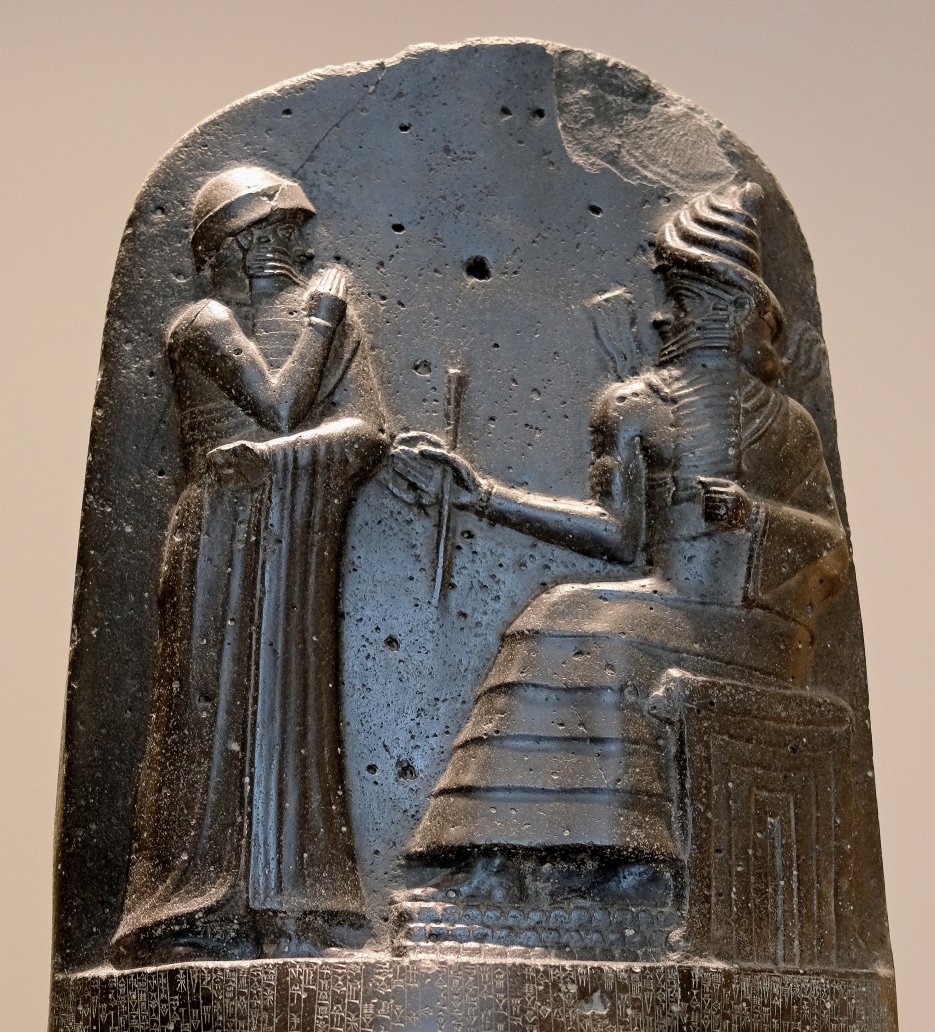
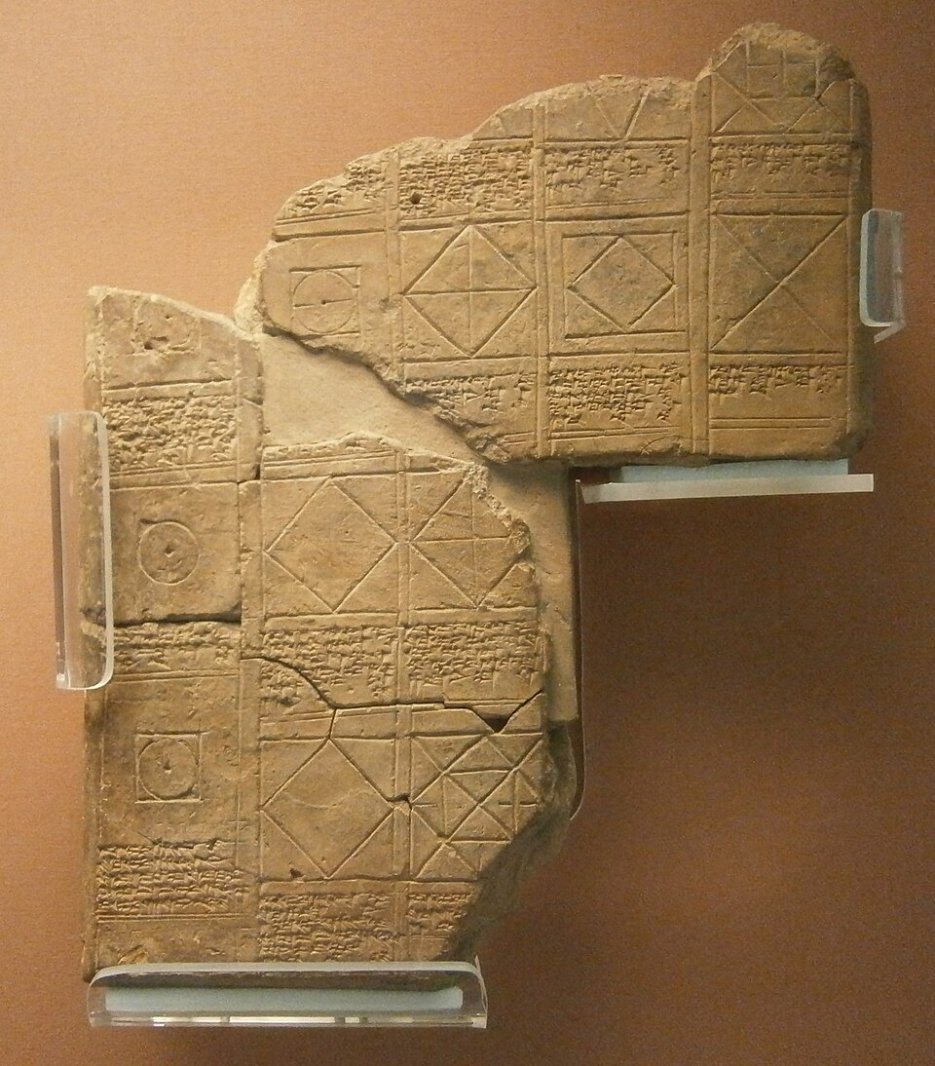
In the cosmological thought of the Mesopotamians, heaven and earth were structured in an analogous way. Here below, kings reigned through the politico-sacred exercise of writing. Their writings regulated the law, taxes, administration, war and even agricultural cycles. In heaven, the gods also inscribed their wills to govern the cosmos, not in clay, but in the stars, which were so many signs decipherable by the same scribes. The royal administrations produced thousands of tablets recording astrological observations supposed to transcribe the celestial decrees and thus enlighten the sovereigns here below.
The discovery of these tablets and the study of Mesopotamian astrology began in the XIXe century. Assyriology then emerged, with the ambition of placing the texts of the Old Testament in their historical contexts, while Darwinism and geology contradicted Old Testament cosmology. The translation of the different languages written in cuneiform allowed numerous discoveries, including that of Mesopotamian astrology and the mathematics on which it was based, even if they had first been developed in the service of royal administrations, before being used – for the first time in Mesopotamia – for the scholarly study of the stars.
Mathematics to study the sky
The gods residing in the sky, the stars which moved there were associated with them: Shamash presided over the sun, Sîn over the Moon, Inana, goddess of love, over the planet Venus, etc. Studying the astronomical position of a star made it possible to determine whether the associated divinity was favorable or unfavorable. The first astrological tablets indicated the position of these stars in relation to fixed stars, called “ normal “.
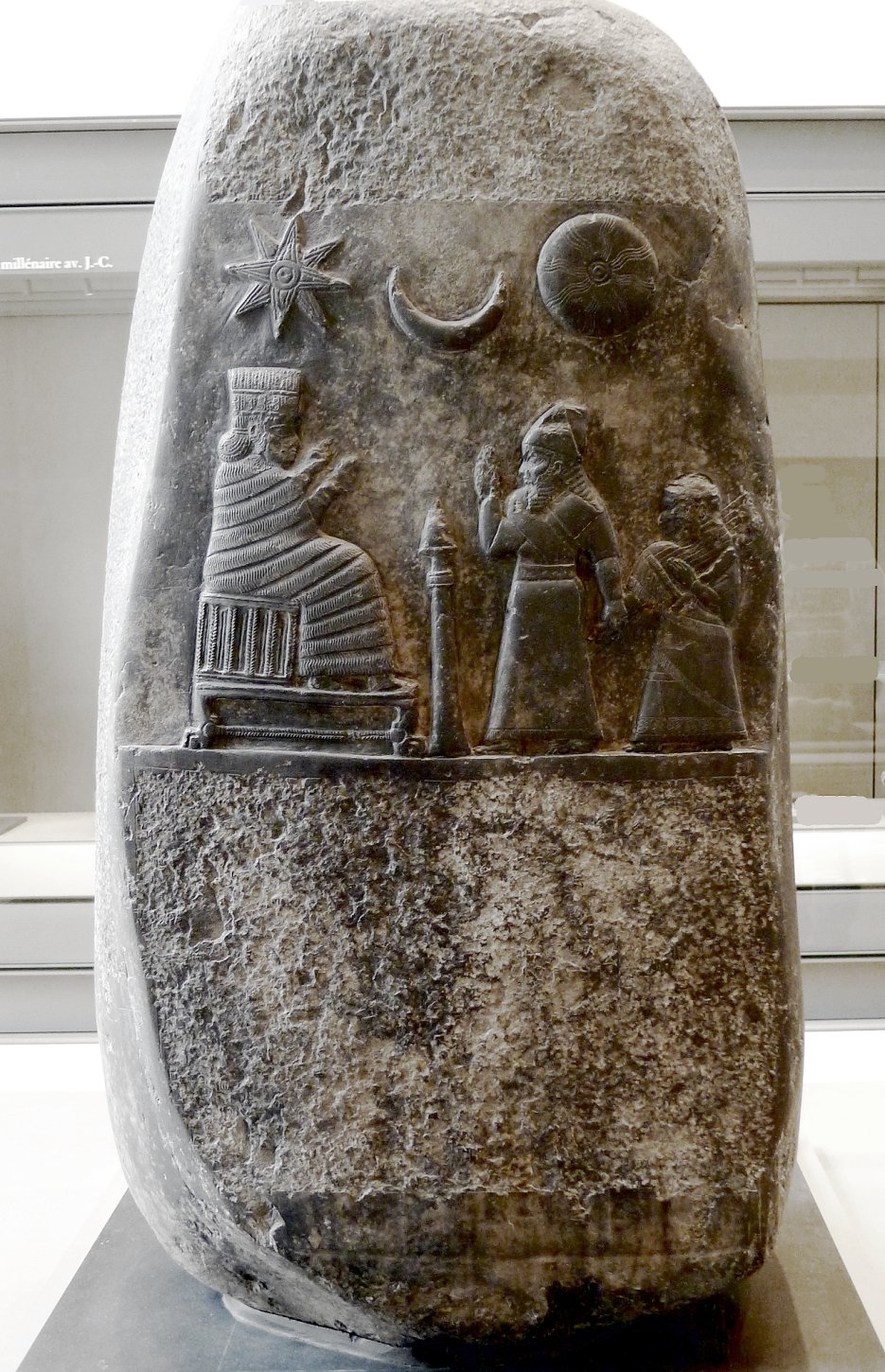
For greater precision, and to combine positioning of the stars and measurement of time, the Mesopotamians undertook to divide the night sky into geometric sectors. They particularly applied themselves to subdividing the plane in which the sun, moon and planets moved (etymologically the “ wandering stars “), in twelve sectors corresponding to the twelve months of the calendar. Each was associated with a constellation, then subdivided into thirty degrees, corresponding to the thirty days of the month. Thus was born the zodiac, its twelve astrological signs, and the subdivision of the circle into 360 degrees.
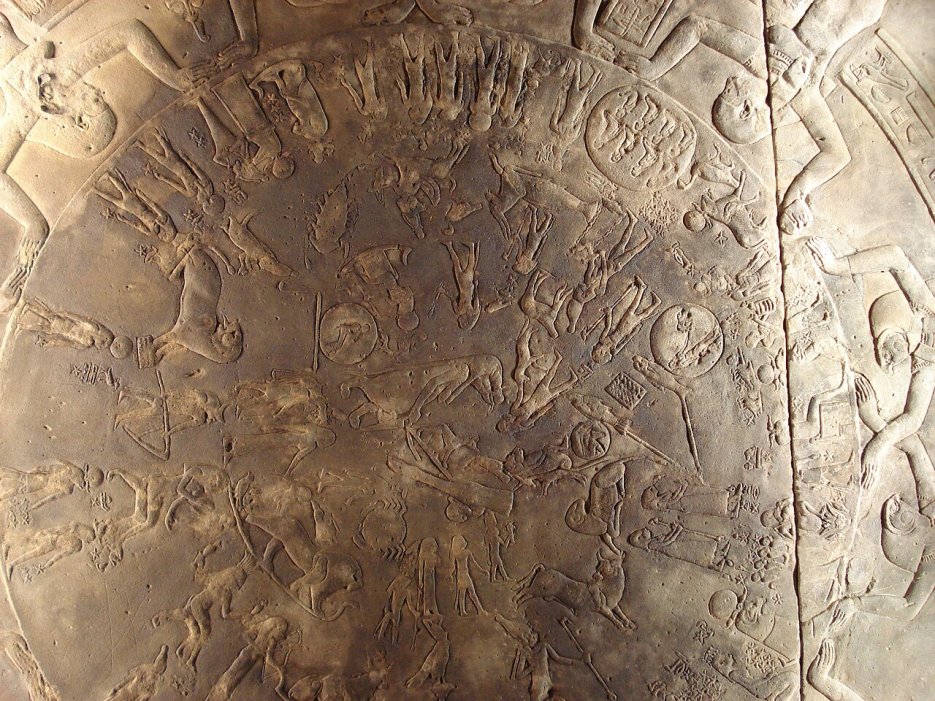
Mathematics allowed astrology to move from description to measurement, then to calculation, predictive or retrospective, through observations and mathematical modeling using tools as complex as functions. Lunar eclipses were the first predicted astronomical phenomenon. Considered particularly harmful, they were the subject of a curious ritual. A few days before, a condemned man was hastily crowned, symbolically replacing the real king, and thus diverting the bad omen from him. As soon as the eclipse passed, the false sovereign was put to death, and the true king regained his throne.
From VIIe century BC, true astronomical annals appeared in the tablets: records over several months of the position of the stars, coupled with meteorological records, river levels, grain prices and any unusual event that could be explained by the astral arrangement. At IVe century BCE, as Alexander invaded the Persian Empire, Mesopotamian astrology was approaching its mathematical peak: it was capable of reconstructing the night sky at any past or future date.
From Mesopotamia to Greece
Babylonian science nevertheless stumbled upon a major limitation: its inability to move from mathematical systematization to explanation. Even when calculated by astrologers, the sky continued to be thought of as a disk parallel to those of the Earth and the Underworld and connected to them by a rope. At IVe century, in the introduction to the work where he explained all the mathematics of Babylonian astrology, the Babylonian Berosus attributed its authorship to a fish-man who appeared from the waters 432,000 years before the Flood, to teach this divine science.
Pascal Richet explains this “ blocking » by the very logic of divination within which astrology was embedded. Any unusual sign was associated with a prediction according to symbolic logic: the birth of Siamese twins sharing the same mouth meant concord and unanimity in the city. Such reasoning would have prevented the search for the causes specific to this anomaly, or even an empirical type of reflection relating this unusual birth to another, older but similar, and to the events which followed it.
The Greeks, on the other hand, made use of these Mesopotamian observations. They met them in Egypt and particularly in Alexandria, one of the most brilliant intellectual centers of Antiquity. The Greek innovation resided first in the extension of mathematical logic to the stars themselves, thought of in turn as three-dimensional volumes, then to the Earth placed at their center. The Greeks imagined it spherical and also divided it into geometric sectors.
The links between celestial and terrestrial geometries can still be seen in the name of the Arctic, which owes its name to the constellation Ursa (arktos) which indicated its direction. Thales, Empedocles and Anaxagoras helped found this “ investigation » (historiai in Greek) about nature, which sought not only to describe and predict, but above all to explain. Even if many of the hypotheses formulated then were ultimately false, they innovated by no longer summoning the gods to explain what seemed inexplicable.
Pascal Richet offers a fascinating dive into the little-known world of ancient Mesopotamian astrology. The work he authored is accessible, whether or not one is familiar with ancient Mesopotamia or mathematics. The abundance of maps, diagrams, illustrations, and incises developing this or that anecdote or explanation helps to find one’s way in this confusing intellectual environment.
The approach is in line with the historiography of recent decades, which has worked to rehabilitate ancient divination, astrology and magic, to no longer read them as marginal and irrational, but to see them as a way of rationalizing the world and acting on it. In this sense, this first work perfectly introduces the series it announces: it shows that Mesopotamian astrology was a first form of learned and rational discourse on the sky, and developed a scientific discourse, in its form at least.
We can criticize Pascal Richet for not following through with his reasoning, when he refuses this status of other rationality to Mesopotamian divination in general. The symbolic logic illustrated by the birth of the Siamese twins already testified to a search for causes, even if these were not rational in our sense. Resorting to the intervention of the gods to explain a phenomenon was not irrational in a system of thought which postulated their existence.
In this sense, the Greeks and their “ miracle » – a questionable and outdated notion, as the author points out – did not introduce a clear break. Some Greek scientists proposed explaining natural phenomena without divine intervention, but none went so far as to deduce the non-existence of gods. Proof that the rationality of the Ancients is not ours, and that the history of reason is a vast field of research to explore – which Pascal Richet happily succeeds in.