
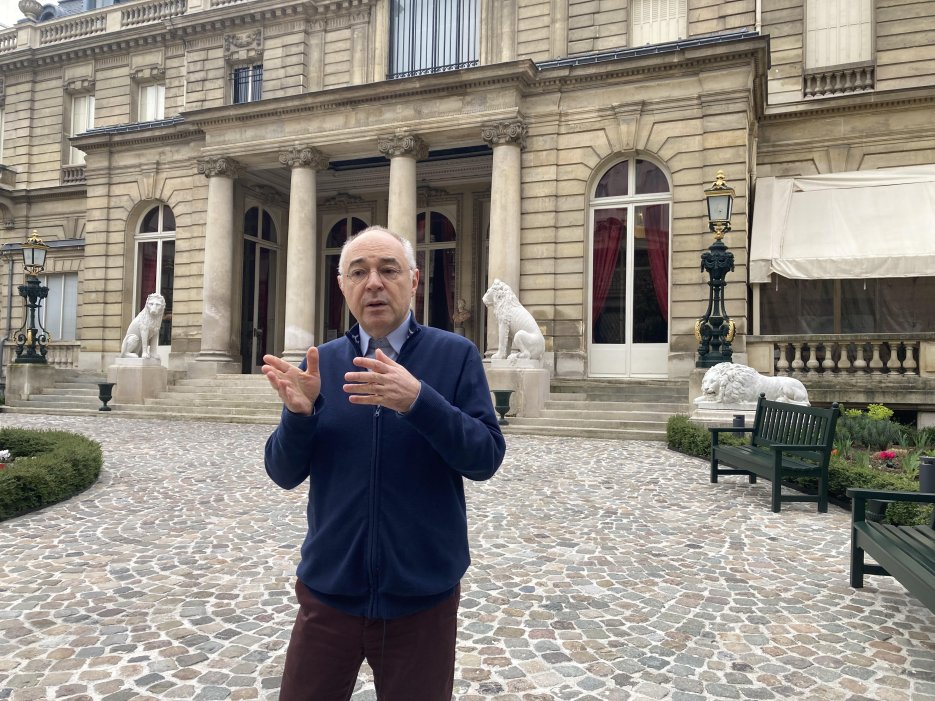
Between personal tests, workshop constraints and artistic conquest, Artemisia Gentileschi is a singular figure of a woman painter XVIIᵉ century. From his journey, Pierre Curie sheds light on the specifics of the female trajectories among the artists of Baroque Europe.
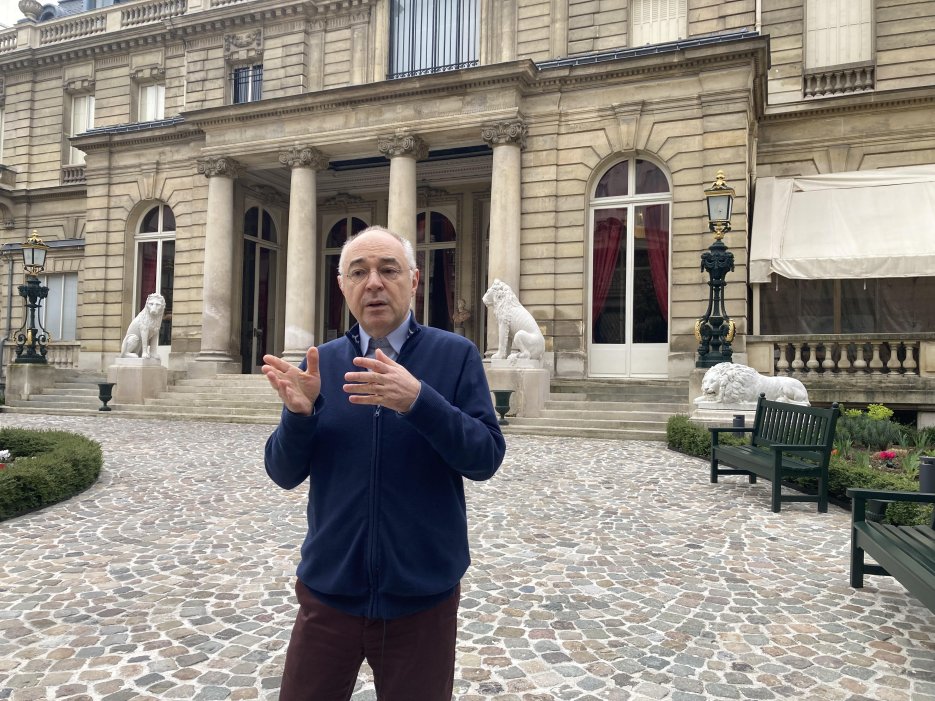
Pierre Curie is general conservative of heritage and art historian. Specialist in Italian and Spanish painting of XVIIe century, he notably led the Art review Until 2020. Responsible for the painting sector of the Restoration Department of the Center for Research and Restoration of the Museums of France from 2007, he coordinated and followed some large restorations of tables from national museums (Léonard de Vinci, Titien, Rembrandt, Poussin …). He has been a curator of the Jacquemart-André museum since January 2016. He notably contributed to the organization of exhibitions Caravaggio in Rome, friends and enemies (2018) and Masterpieces of the Borghese gallery (2024).
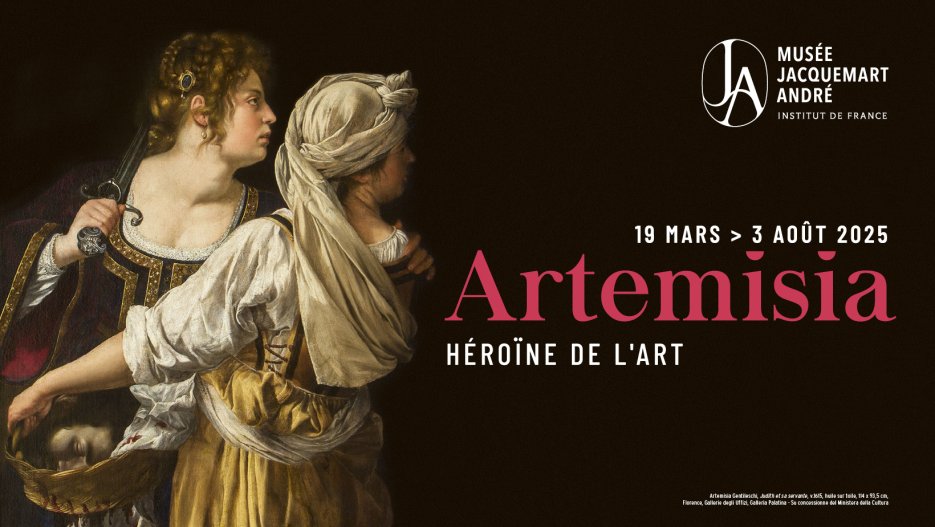
The exhibition Artemisia, heroine of art is to be seen at the Jacquemart-André Museum until August 3, 2025.
Shooting & editing: A. Suhamy
Under what conditions can we exercise painting on a professional basis when a woman is XVIIe century ? Returning to the conditions of his training and his consecration as an artist, during his very lifetime, Pierre Curie, curator of the Jacquemart-André museum, looks back on the reasons justifying a new exhibition Artemisia, thirteen years after the last in Paris (Maillol Museum, 2012). Beyond her tormented destiny and the rape of which she was the victim, Artemisia Gentileschi is among the main artists who contributed to the dissemination of caravagism. His long career also explains significant production and a wide variety, representative of the types of orders in vogue in southern Europe of the first half of the XVIIe century, with “ A very changing style according to the environments in which she worked, according to the needs and requests of her customers, fashion currents ».
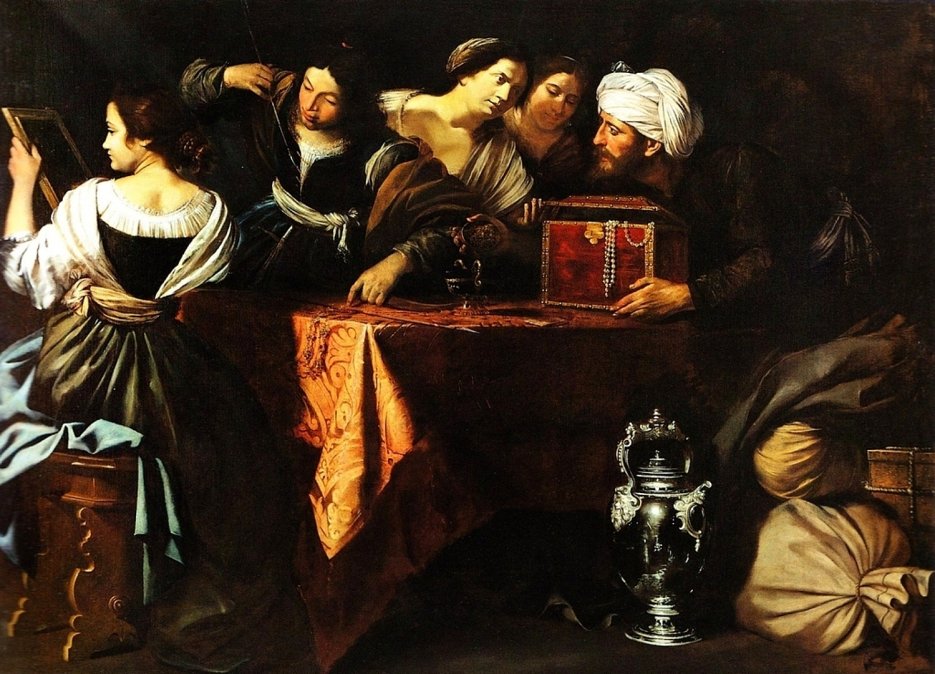
This faculty to integrate various influences and innovations, and to comply with the taste of sponsors, is reflected in several later works, as Ulysses grateful Achilles among Lycomède girls (v. 1640), work rediscovered in 2005 and exhibited at the Jacquemart-André museum. Pierre Curie evokes in particular the repentant detected in radiography.
Author for the catalog of the exhibition of an article on several contemporary artists from Artemisia, Pierre Curie also shows that, although marginal, these are not rare, particularly in Baroque Italy, like Sofonisba Anguissola (around 1535-1625). Their journeys remain exceptional and conditioned by a family framework favorable to their professional socialization, as is the case for Artemisia, herself the daughter of an artist, and having grown up in the workshop of her father Orazio Gentileschi.
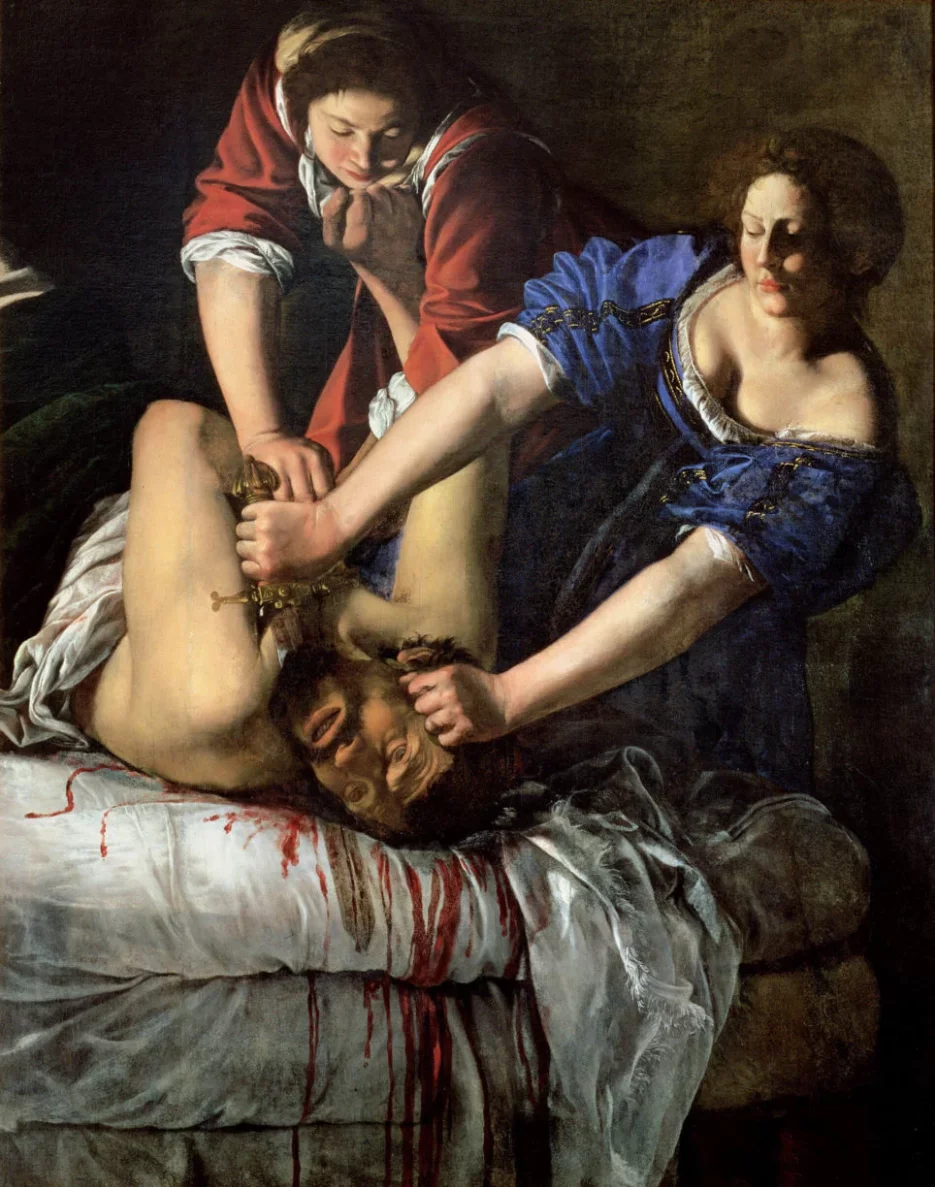
Marked by the rape suffered in 1611, committed by a collaborator of his father, Agostino Tassi, and by the trial which follows in 1612, the destiny of Artemisia is sometimes assimilated in a romantic way to a form of redemption by painting, in particular from a work by Mary Garrard in 1989. From this point of view, the construction of his value as an artist at the contemporary period feminine, and often carried out within spaces distant from the worlds of art in the strict sense. There Judith and Holophernefamous canvas painted around 1612-1613 and presented for this exhibition in an ancient copy of the hand of another artist, was thus the subject of numerous comments making the rapprochement between the violence of the scene, and that suffered a few months earlier by the artist. Although the exhibition takes up the qualification of “ heroin »Used by Mary Garrard, Pierre Curie challenges this interpretation, recalling how much Judith is a fashionable subject in his time and since XVIe century – the character being also represented in several ways by Artemisia. According to him, Artemisia – as before it has been for caragus – is more guided by command than by its past: “ Painters do not choose the subjects of their paintings, it is their customers who choose them ». Like other biblical subjects, Holopherne’s death largely pleases “ to aristocratic customers ” of XVIIe century.
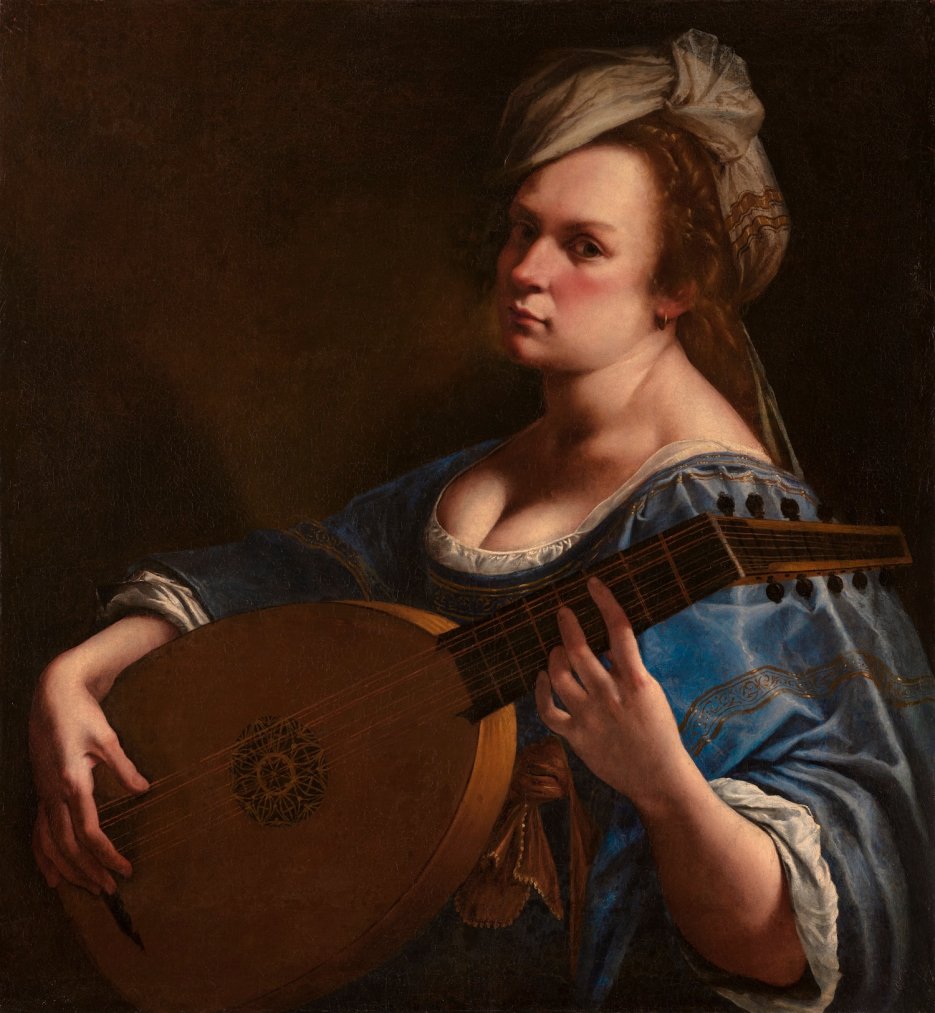
This contemporary reading should not overshadow the logics of its artistic consecration during its lifetime. Pierre Curie underlines how much the talent of Artemisia is recognized by his contemporaries, and already by his father, in an almost entrepreneurial aim: “ No doubt he provided that she is heading the workshop, being the master in contact with patrons, sponsors, and she working to make tables and aftershocks. At the will of its facilities in Florence, Venice, Naples, and briefly in England, Artemisia will eventually benefit from real recognition, sometimes even greater than that of his father, especially in the portrait field. Self -portraits, too, are numerous in its production, of which its Lute player self -portrait (v. 1614-1615), produced during his stay in Florence, a real period of development of the artist.
However, this recognition has been slow to reach scientific production areas. Long marginalized by art historians, like other women artists, Artemisia Gentileschi benefited quite early from a literary exhibition thanks to the novels of Anna Banti (1947) or Alexandra Lapierre (1998). The exhibition of the Jacquemart-André museum participates, however, for Pierre Curie, a recognition movement (not to say rehabilitation) much more general of women artists seized for their art and their technical mastery as much as for their condition of woman in a male universe.