

All summer long, the Grand Continent will stay in motion. Every day, wherever you are, we will bring you ideas you will not find anywhere else (but which will be everywhere come the new season), pieces that are scarce or refreshing with our Sundays. To receive them directly in your inbox and support this momentum, consider subscribing to the magazine
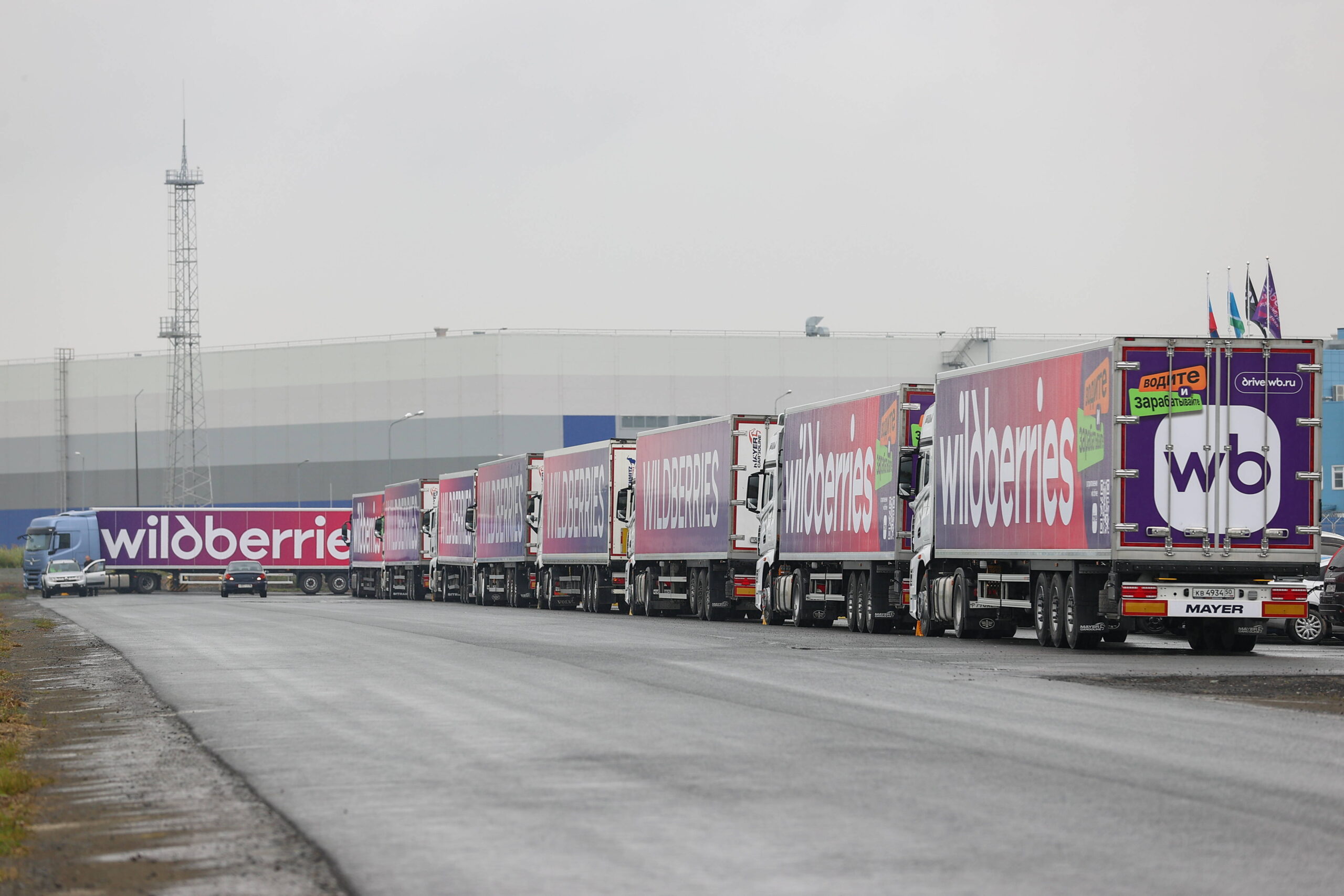
Since July 18, 2026, Ukraine expanded its campaign of “long-range sanctions” and, in addition to striking Russian refinery sites, targeted more than a dozen Wildberries logistics sites. As the leading online commerce player in Russia, Wildberries is not merely a “Russian Amazon,” but plays the role of several top companies at once: it is Amazon, Le Bon Coin, FedEx, and Crédit Agricole. Its downfall would therefore have far broader consequences than a temporary disruption in fuel sales.
To understand the Ukrainian strategic maneuver, one must analyze this very peculiar company, tailor-made to meet the formidable challenges posed by the Russian geography and space.
A unique company in the Russian economic landscape
Founded in 2004 by Tatiana Kim, born in Moscow, descended from the Korean minority settled in Russia’s Pacific provinces and one of the few people to have made a fortune without benefiting from the wild privatization of the great Soviet state monopolies, Wildberries is among the handful of genuinely productive enterprises in the Russian economy that did not enjoy any dominant position, any loopholes, or privileges, and that managed to respond creatively to the immense needs of the population after the dark decade of the 1990s.
Indeed, Wildberries is not merely a retailer perched on a logistics and catalog that are ultraperformant, as the Bezos group is; it is a virtual marketplace that links more than a million sellers depositing their products in the company’s warehouses to hundreds of millions of consumers. Capable of connecting sellers and buyers across this vast country of 17 million square kilometers, the company quickly became indispensable in Russia (but also in Belarus, Armenia, Georgia, Kazakhstan, Kyrgyzstan, Tajikistan, and Uzbekistan), thanks to its ability to fill the gaps in logistics inherited from the Soviet Union.

Thanks to its innovative model, Russia has moved in a few years from an inefficient, crumbling centralized system to generalized online exchanges. These enable small and medium-sized enterprises as well as local “entrepreneurs” to connect to the entire national market, and even to a large part of the former Soviet space, while offering competitive prices.
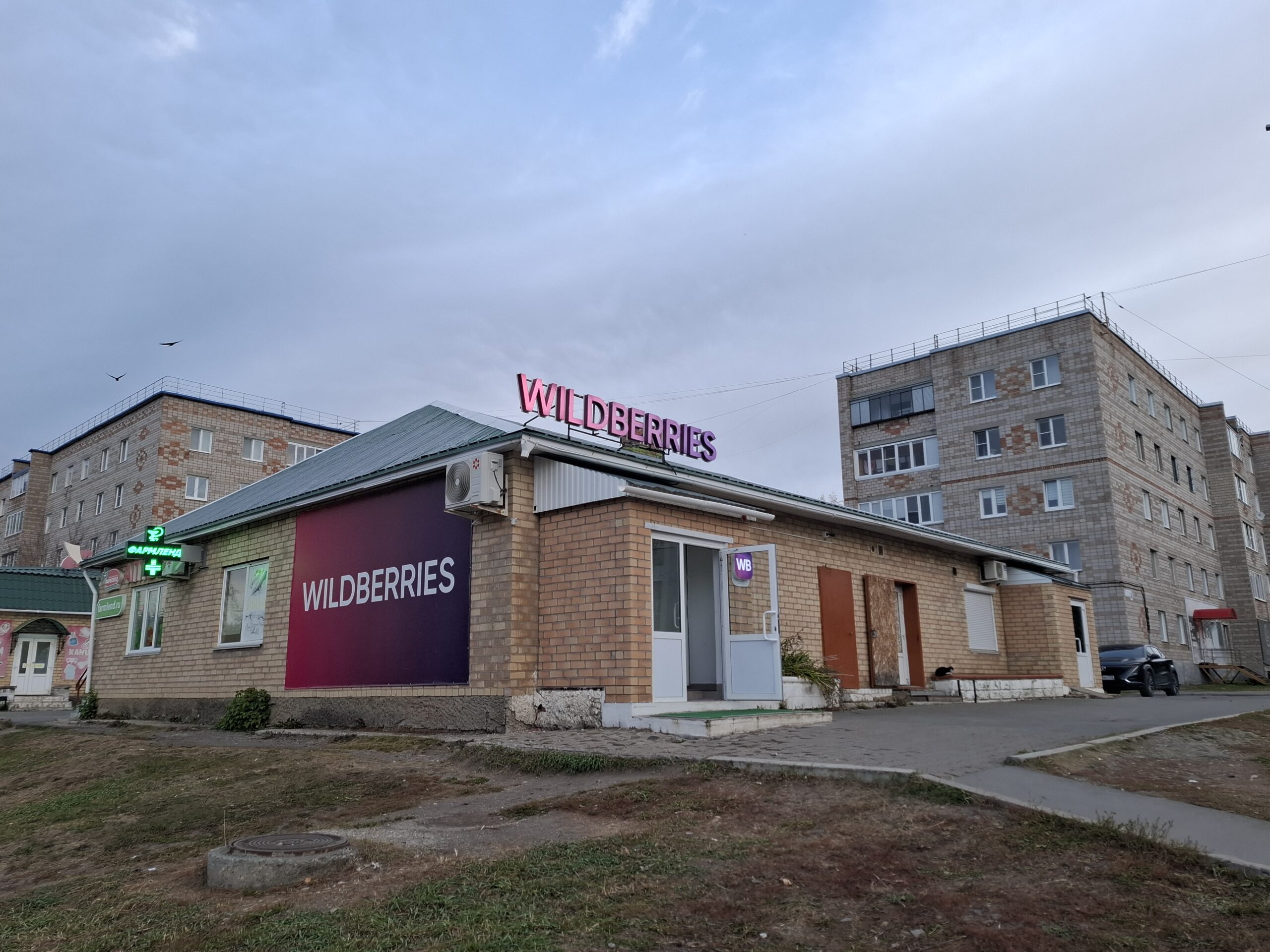
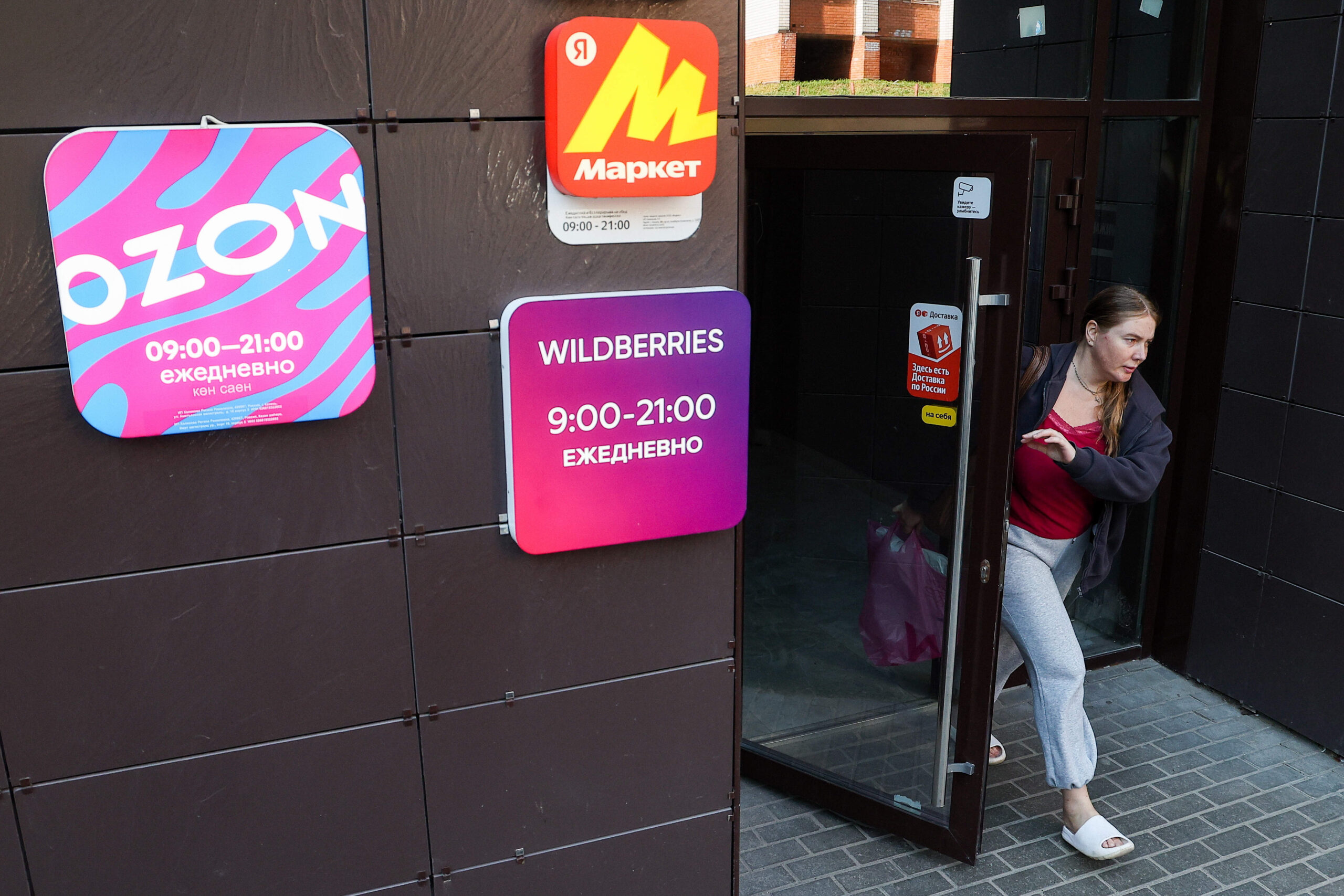
With seven million daily orders, the company now accounts for nearly half of the national online retail market. Its purple storefront is present in even the smallest localities and symbolizes the resilience of the economy and its ability to reinvent itself without copying a Western model that would not have been relevant in this context.
The Alibaba-style integrated model rather than Amazon’s
Thanks to its successes and its proximity to many Russian companies, Wildberries sought to extend its operations. In February 2021, the company acquired Standard-Credit Bank, a modest institution then ranked 400th by assets and endowed with 302 million rubles in equity. Since then, renamed Wildberries Bank, it has seen spectacular growth: its assets rose from 3.1 to 57.1 billion rubles in 2024, and its capital from 483 million to 21 billion. A substantial portion of its balance sheet consists of receivables from firms (many of whom sell their products on the online platform). By controlling both distribution and credit, the conglomerate thus moves closer to the Alibaba or JD.com model than to Amazon.
This system is simple and rests on five “movements.”
First of all, the group sells products on its online platform, which stands out in the Russian landscape for its clarity and its logistical efficiency. It then offers consumer credit to stimulate more consumption. Thanks to its position as a favored host, the company also provides credits to sellers so they can produce more merchandise, stored in the brand’s warehouses. Through its banking subsidiary, it collects interest on these loans, as well as commissions on sales. It thus controls payments and holds sellers’ funds in its own banking system, increasing its balance sheet. Through these “incentives,” sellers are encouraged to adopt all these services and become dependent on the digital, logistical, and financial environment created to accompany them.
This integration further intensified in the spring of 2026, when VTB, a state-controlled bank, announced the acquisition of a minority stake in the group’s fintech assets, starting with 5% of Wildberries Bank, via a share issue valued at over 540 billion rubles.
It is precisely this that makes the Ukrainian campaign particularly difficult for the Russian authorities to manage: the company’s efficiency has positioned it as a market power, a giant whose services are indispensable to small and medium Russian businesses and that could only be replaced at a high cost, which would bankrupt the less competitive players. Its potential downfall would therefore trigger a nationwide cascade, hitting entrepreneurs some of whom have already lost all of their stock stored in warehouses targeted by Kyiv. It would also mechanically raise living costs for the entire population and for producers. That is exactly the last thing the Kremlin needs as the Ukraine campaign has stalled since the start of 2026.
A controversial and unequal merger
A Wildberries bankruptcy would have even heavier political repercussions because the Kremlin is directly involved: by pushing the company to merge with Russ, a digital advertising firm close to the Kremlin, it has made it a cog in the system. This operation was immediately approved and publicly encouraged by Vladimir Putin, who sees it as a means to boost Russian exports.
The entity resulting from this merger, РВБ (or RWB, for Russ Wildberries), is now valued at around $12.6 billion. This merger must, however, be analyzed from both political and economic angles.
Officially, the rapprochement was meant to enable an ecosystem that brings together a marketplace, advertising, payments, logistics, and digital services, but one may wonder what real added value exists for a company that was already highly successful. In 2023, Wildberries posted revenues of 538.7 billion rubles and net income of 18.9 billion, compared with 27.9 billion and 4.86 billion for the Russ Group. Despite this disparity (19 times higher revenue and 4 times higher net income), the 2024 merger allocated 65% of the new entity to Wildberries and 35% to Russ, which sparked questions and strong protests.
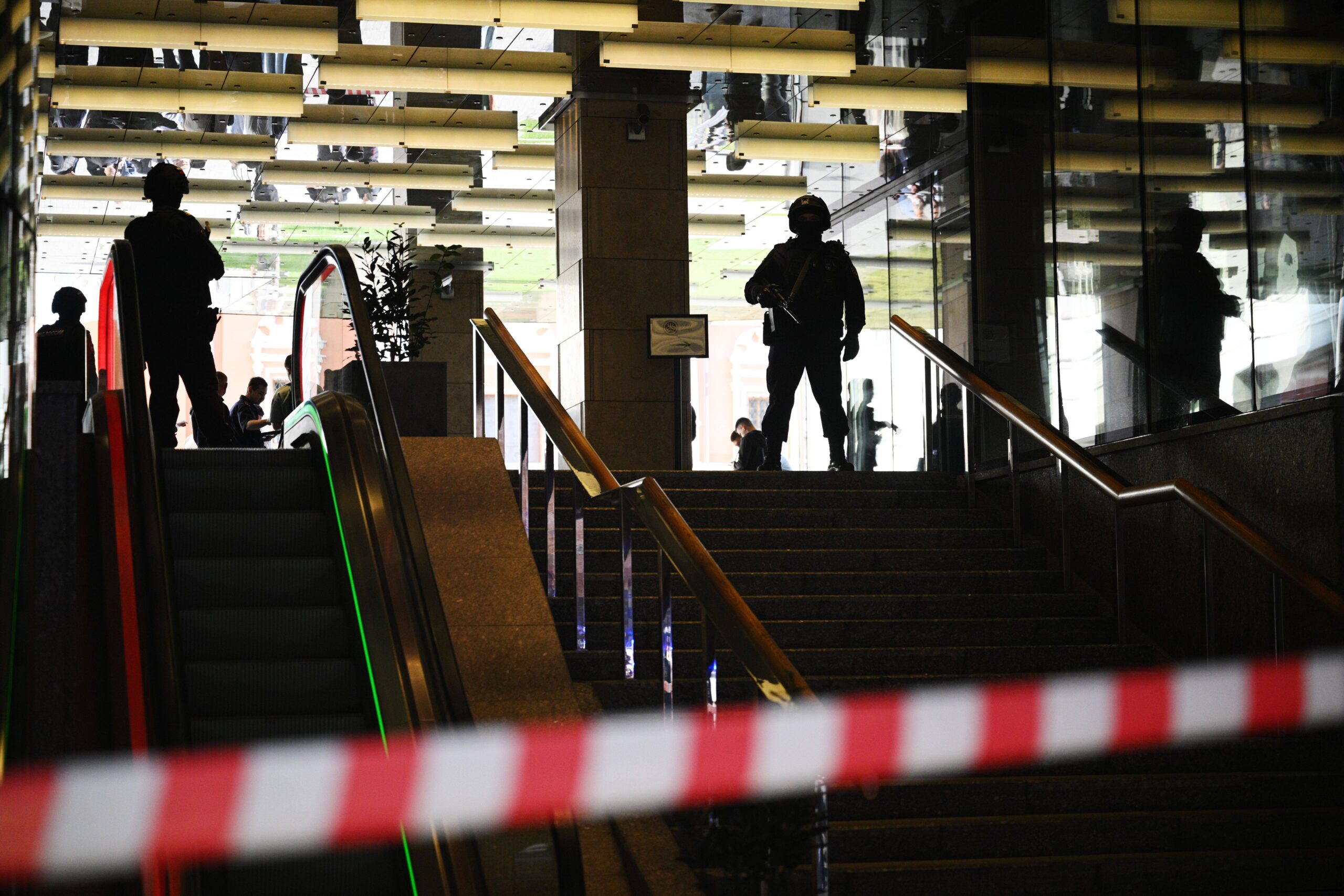
The most vociferous criticisms came from Vladislav Bakalchuk, then husband of founder Tatiana Kim and head of the company, who publicly opposed the operation. He denounced what he described as a “hostile takeover” of Wildberries by external actors and framed the merger as the result of political pressure rather than economic considerations. The dispute quickly became a family, economic, and political affair. These challenges culminated in September 2024 with an armed confrontation in front of Wildberries’ offices in Moscow, which left several dead.
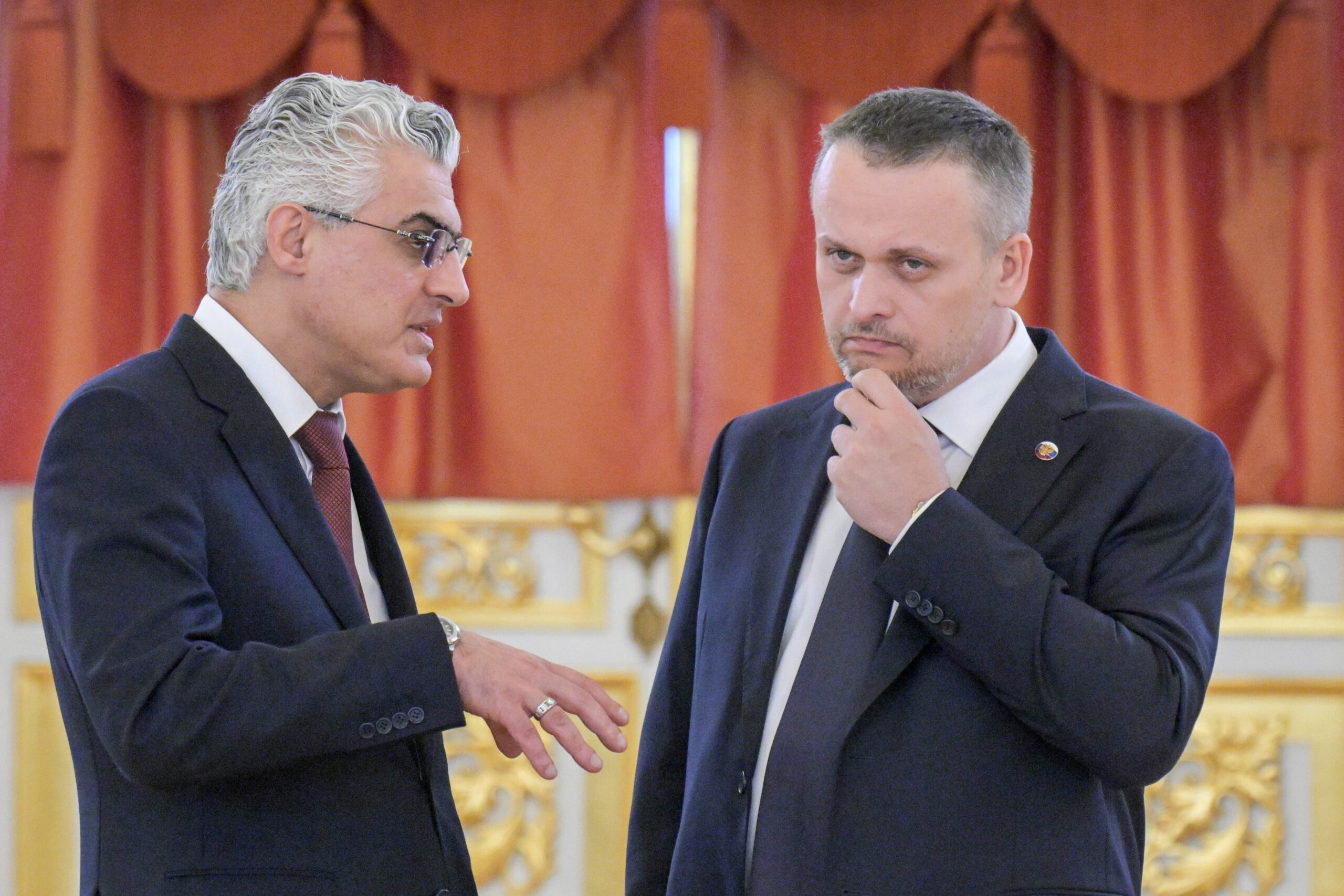
That episode is more generally symptomatic of a deterioration in property rights, fundamental to any regulated capitalist system. In Vladimir Putin’s Russia, preserving an asset—even one of the post-Soviet era’s most productive—requires placing it under the protection of a power supervisor close to those in authority. With this merger, Wildberries became a cog in the system, beholden and dependent on it. Above all, this encroachment of political power into the life of one of the country’s major ecosystem players appears to have created the weaknesses that the Ukrainians are now exploiting.
A campaign more effective than the one against fuel?
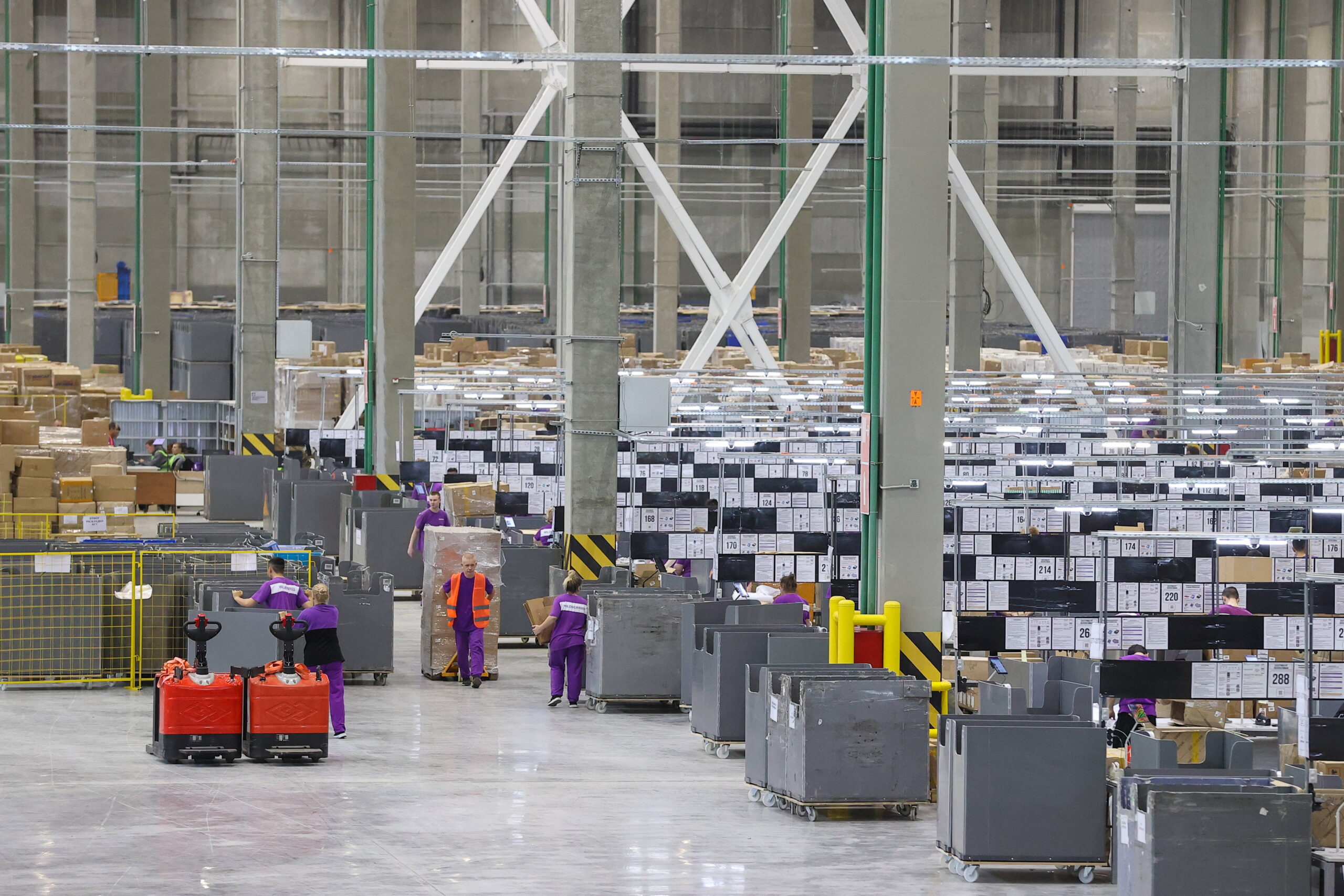
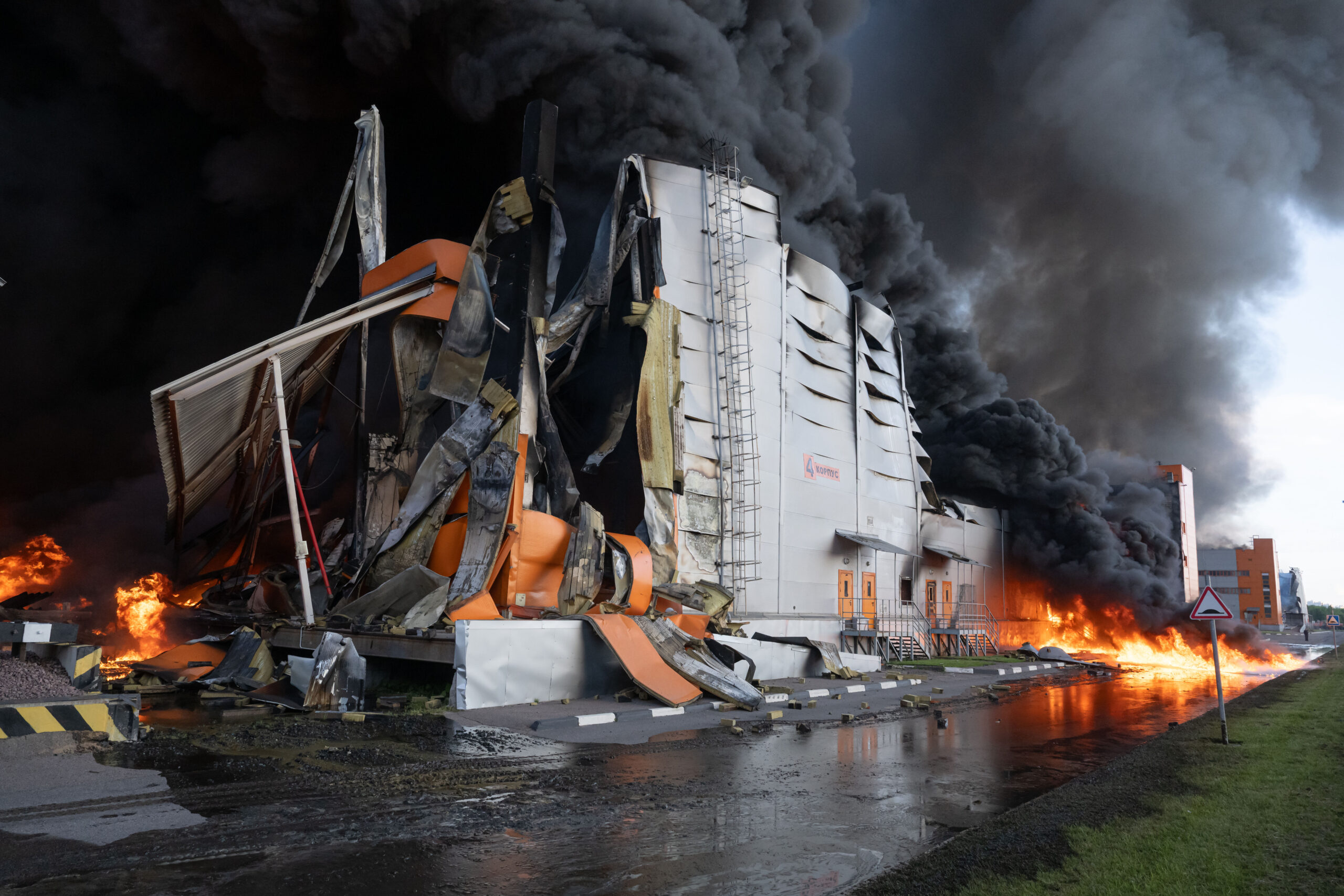
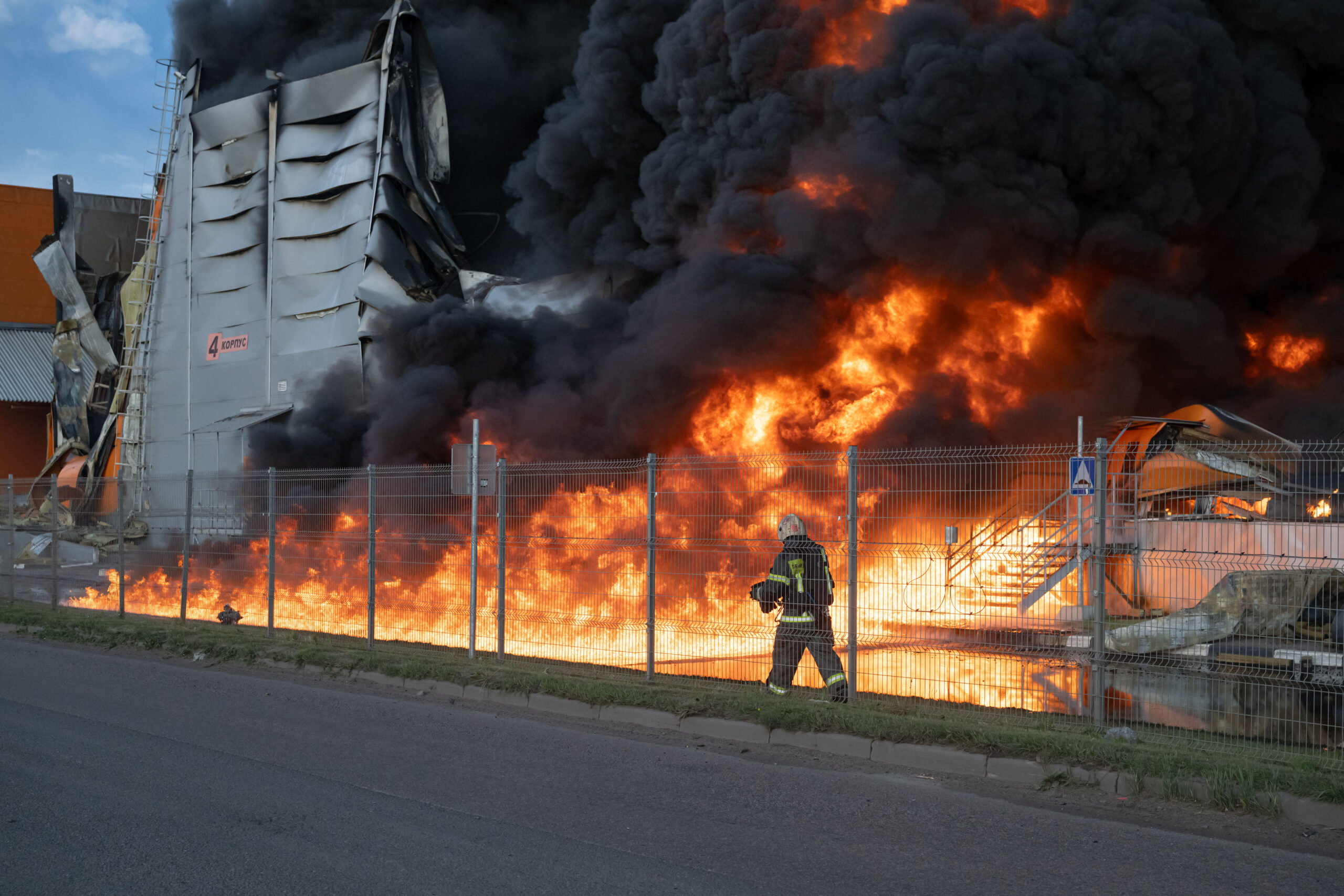
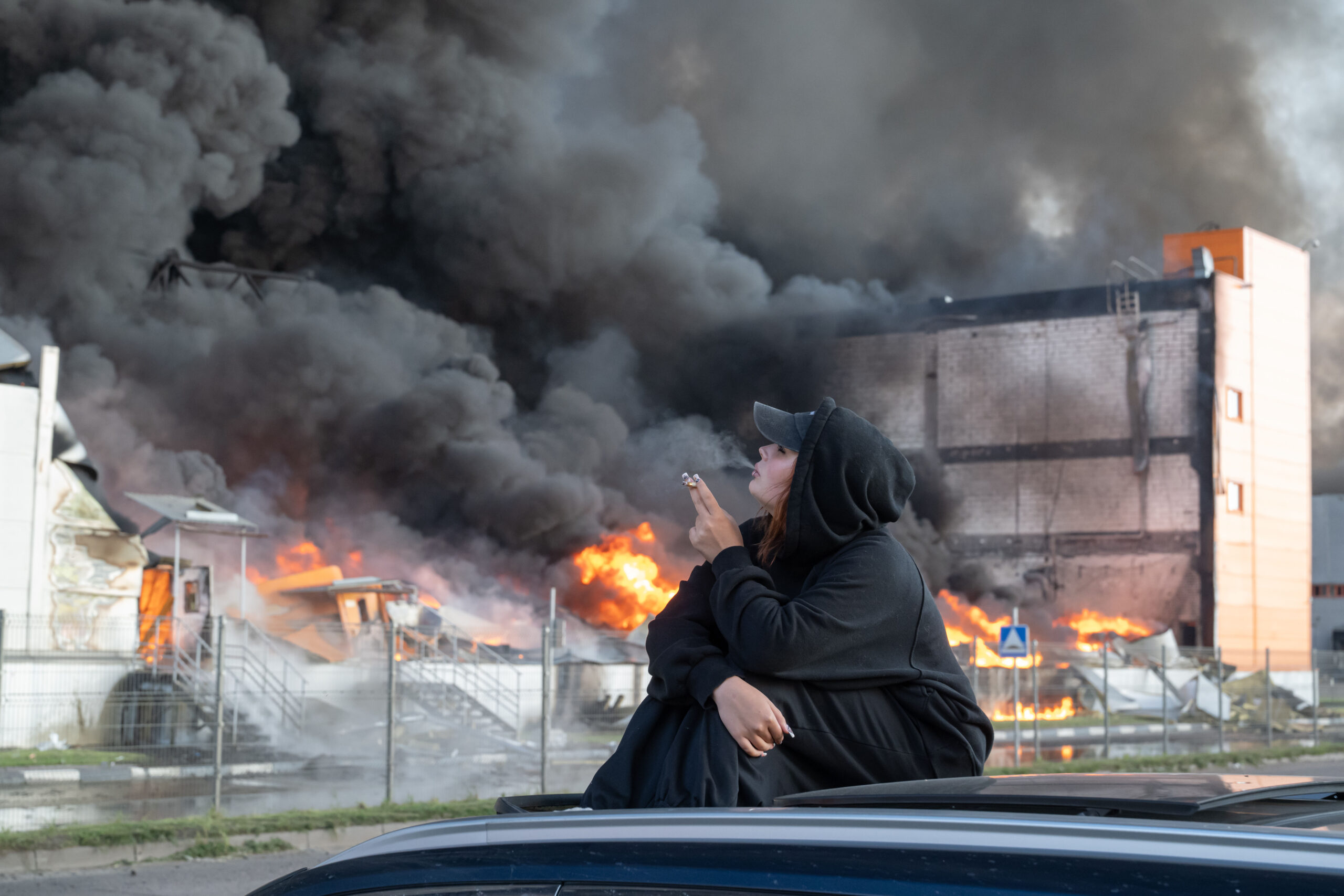
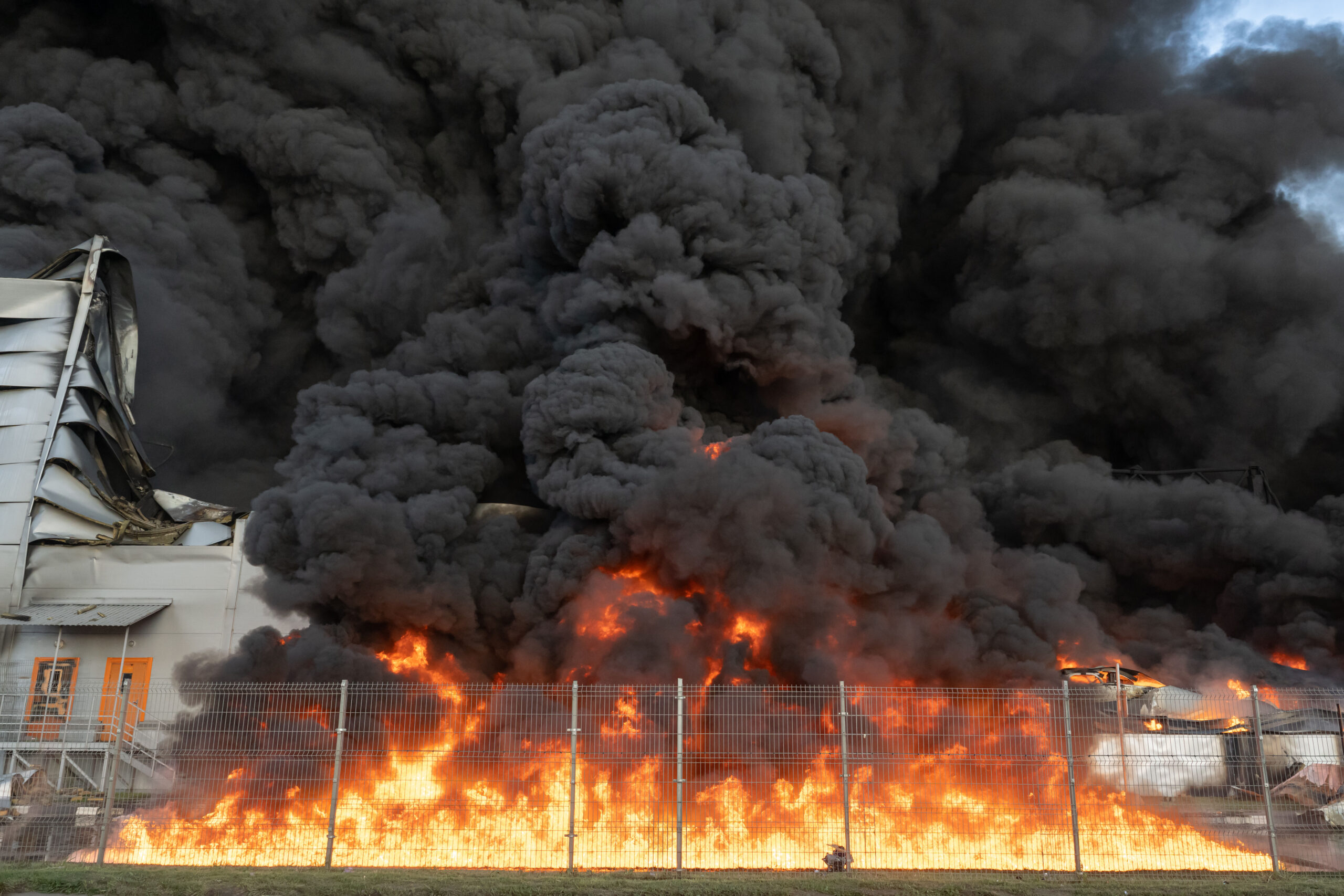
The scale of damage inflicted by Ukrainian forces is now measurable. More than 800,000 square meters, roughly 14% of the group’s logistics capacity, have been destroyed or seriously damaged, with goods valued at about 250 billion rubles. Tatiana Kim mentioned a figure exceeding $1.3 billion and recalled, in a recent speech, that drone strikes are not covered by insurance.
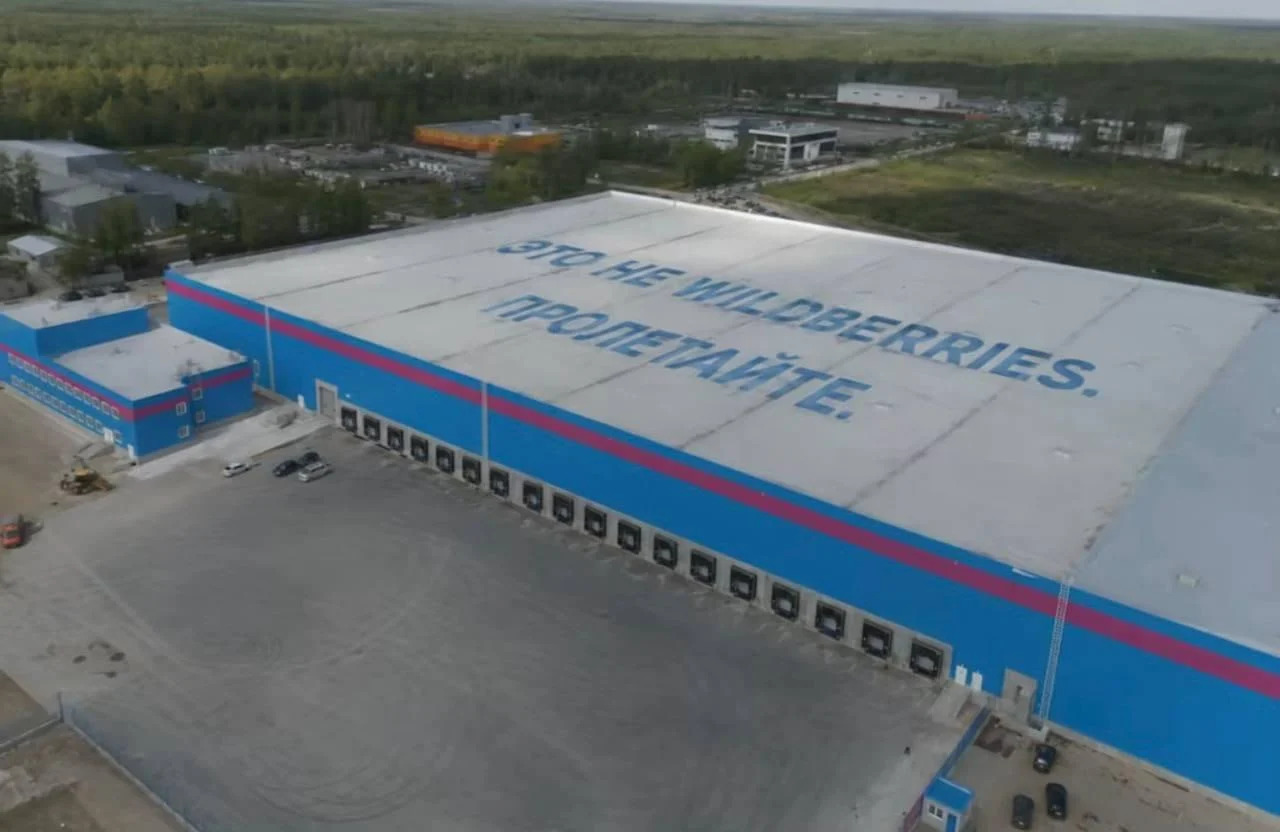
The Elektrostal centers (360,000 square meters) and Kotovsk center (opened in May 2025 and housing nearly 54 million items) were the first to burn, killing eight people and injuring nearly ninety. The warehouses in Krasnodar and Nevinnomyssk were set on fire in the night of July 21–22, those in Chuchary and Outkina Zavod near Saint Petersburg on July 22, those in Simferopol on July 24, those in Ekaterinburg on July 25, those in Ryazan on July 28, those in Penza and Sarapoul on the night of July 29–30, and those in Volgograd and Zelenodolsk on the night of July 30–31. On July 2, the Novossemeikin hub (178,600 square meters), serving the Volga and European Russia, was also set ablaze. Fifteen sites were thus hit within about two weeks.
Three characteristics set this sequence apart from a mere accumulation of strikes.
- The depth first: Ekaterinburg lies more than 1,700 kilometers from the border, and Novossemeïkino about 800 kilometers from the most forward Ukrainian positions.
- The geographic coverage, next, extends from Moscow region to the North Caucasus, from the Baltic to the Urals and the Volga. It is all of European Russia under fire, which creates an unprecedented reversal: whereas territory is usually an asset in conflicts, the vast Russians’ space now poses a handicap, as it is impossible to defend all sensitive sites with anti-drone and anti-missile defenses.
- Finally, the spread to other companies: on July 31, Ozon had to evacuate its logistics center in Zelenodolsk, in Tatarstan, located near Wildberries’ center. The site remained intact and the origin of the fire is uncertain, but this event could foreshadow an extension of the maneuver to another distribution giant that suffers from the same systemic weaknesses, though its model is more decentralized.
Is the target legitimate? The legal blind spot
Ukrainian President Volodymyr Zelensky labels these operations as “long-range sanctions.” This wording is not accidental: the Ukrainian government deliberately frames its actions within the coercive, economic realm rather than overt armed conflict. At the end of June, the president announced a forty-day operation aimed at pressuring Moscow to negotiate. The refineries were targeted first, causing fuel shortages, then the logistical platforms. The campaign against Wildberries thus sits within the continuity of an existing mechanism and does not represent a radical shift in Ukrainian strategy.
Moreover, Zelensky states that the affected warehouses supplied the Russian army with drone components, navigation equipment, and items under sanctions, and that these strikes respond to Russian attacks on Ukrainian civilian infrastructure, notably electrical grids.
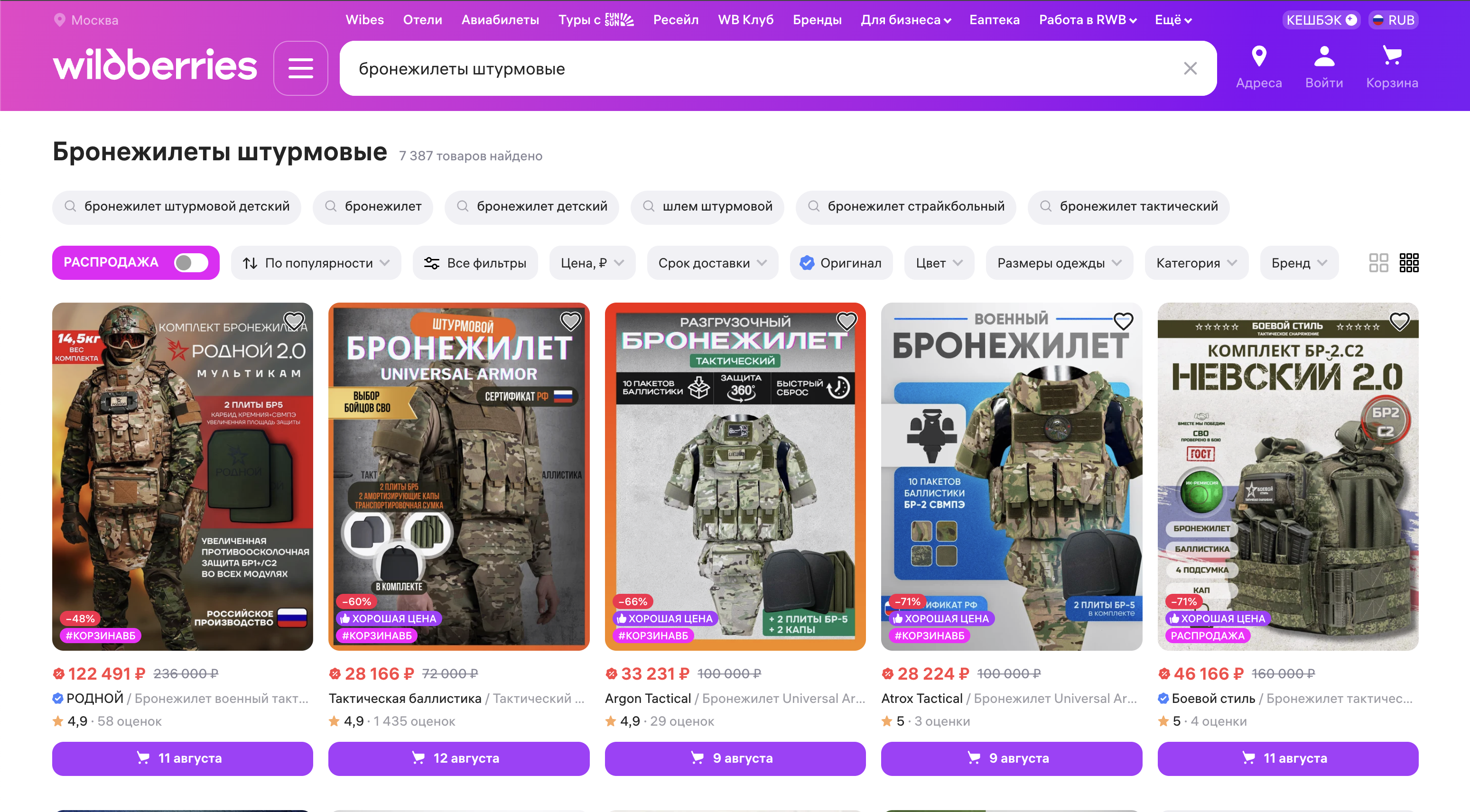
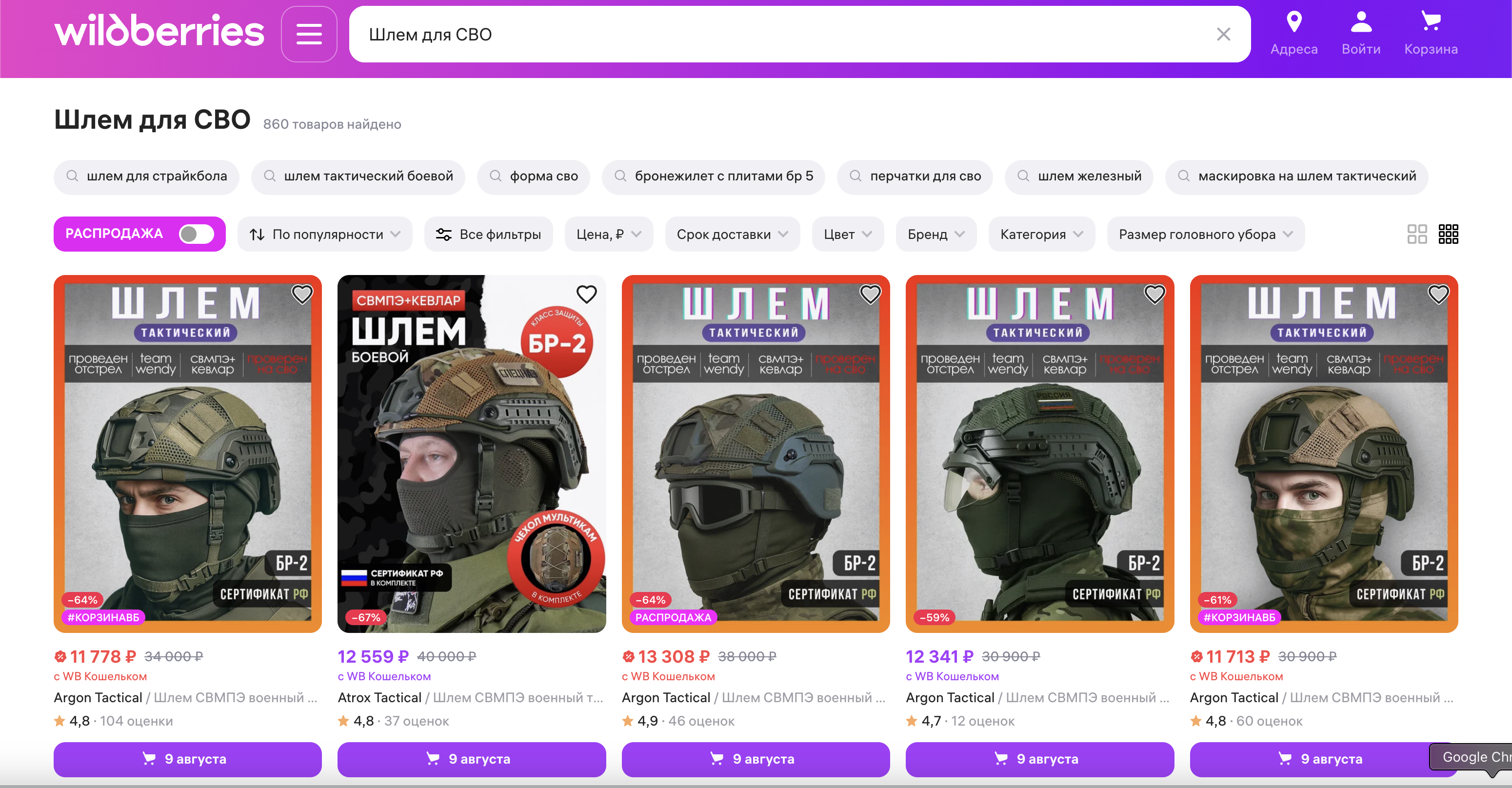
The law permits a civil asset that effectively contributes to military action to be attacked in a proportional manner. The challenge lies in assessing that contribution. Analysts have documented the presence of ballistic vests and drone components on the platform, as well as its use by groups of volunteers equipping units. As in many other armed forces, official procurement procedures of the Russian Ministry of Defense cover only weaponry, leaving everything else to pass through ordinary market channels. To compensate for these gaps, soldiers and Russian citizens have largely relied on Wildberries. The platform merely hosts, stores, and transports, without it being possible to determine whether it does so out of complicity or simple commercial indifference, even though this activity represents a non-negligible gain.
In a legal framework where imputability is difficult to establish, it is clear that current law, drafted in a world where ammunition factories stood apart from flour mills, confronts an infrastructure whose military function is neither truly intended nor fully organized, yet remains substantial.
The question goes beyond the Russian case, because if the Ukrainian argument is accepted, Amazon or Alibaba warehouses could become potential targets in the event of a major conflict. If it is rejected, the adversary would then have a logistics sanctuary. Neither answer is satisfactory, and above all would not allow governing the intensity of violence in a future conflict. It is therefore necessary to rethink the most relevant categories, enabling a real reduction of civilian suffering. In this sense as well, lessons learned and the future interpretation of Ukraine War operations will be essential for other European societies in the aftermath of the conflict.
A indirect maneuver on the backbone of Russian logistics?
The tripartite “force, power, authority” framework helps locate the objective precisely. Force designates the military instrument. Power corresponds to the capacity of a social whole to produce and sustain force over time. Authority refers to the ability to obtain obedience without coercion. The strikes did not touch the Russian strength: no unit was destroyed and no weapons system neutralized. They hit the power by provisioning and targeted the authority through the wear of consent. Finally, labeling these operations by Ukraine as “sanctions” confirms this reading of an indirect maneuver, leveraging a Russian tactical flaw to attack a target likely to weaken logistics lines and break the war effort.
On the strategic board, the campaign performs an oblique shift. Abandoning the military square where the balance of power is unfavorable, Kyiv plays a neighboring square that is poorly guarded.
According to an analytical framework I developed in my work, the new strategic-tactical sequence is thus an indirect defensive strategy, coupled with direct offensive tactic. Strategically, Ukraine remains on the defensive and avoids direct confrontation with enemy forces, bypassing them by targeting the economy that underpins them. Tactically, drone strikes are offensive and direct, aimed straight at the target without intermediaries. This combination inverts the usual sequence, in which a strategic offense commands the tactical maneuver. It is only possible because the long-range drone allows the depth of the strike to be dissociated from the overall balance of power: the adversary’s rear is hit without taking the initiative on the front.
It is therefore not a vertical escalation, but a new strategic-tactical sequence crafted through “the free play of the mind,” to borrow Clausewitz’s phrasing.
The transfer of risk: the real shockwave
The heaviest impact thus lies not on the buildings, but on the distribution of losses. On July 7, before the campaign began, Wildberries amended its partnership contract to absolve itself of any liability in cases of force majeure resulting from artillery, drone, or missile strikes. Faced with outcry, the company announced on July 22 voluntary compensations, promising to prioritize support for the smallest entrepreneurs. Yet many sellers report receiving nothing, and Tatiana Kim’s early remarks suggested the company would not compensate for losses suffered in its warehouses. Does it even have the means?
The decisive consequence: the crisis is not absorbed by a capitalized, politically protected company, but shredded among hundreds of thousands of micro-entrepreneurs without a safety net, often indebted to build up their stock. The war risk has been contractually shifted onto the weakest link, and this transfer constitutes the most powerful shock to Russia’s economic fabric, far more than the fires themselves.
It also determines the nature of the crisis to come. A bankruptcy of this “too big to fail” actor (politically and systemically protected, which prevents the state from letting it disappear) remains unlikely. The government is considering support measures (soft loans, tax relief, subsidies) and even total or partial nationalization as an ultimate solution. However, Russia’s finances, already strained by war and sanctions, could not bear this new burden without difficulty and will need to find a financially viable solution that allows goods to be distributed competitively across the country’s vast territory.
The banking target, the campaign’s real objective?
Nevertheless, it is this financial breach that Kyiv now seeks to widen. On July 27, Denys With the Ukrainian defense industry, he explained the logic of targeting the company as a priority. According to him, Wildberries would be Russia’s top borrower, and its partnership with VTB, a state-controlled bank, would make it a primary target, because its collapse would bring down several other institutions. The platform is not just a target; it is a vector into the banking system. It is thus fully aware that Ukraine sought to press the issue. Notably, the first major disaster suffered by the group was accidental: the Chuchary warehouse fire, near Saint Petersburg, in January 2024, precisely struck by a drone on July 24, 2026. Perhaps the scale of the losses announced fed the Ukrainians’ strategic imagination.
Several signals confirm the vulnerability of the banking and financial sector. Sberbank plans to increase its provisions and lowered its 2026 Russian growth forecast to 0 or 0.5%, down from 0.5–1% previously. The bank is watching small businesses particularly closely. In addition to the group’s debt, there are also loans taken out by sellers to stock their inventory; a simultaneous default on these loans would trigger a second wave of non-performing credits.

A third aspect deserves our attention. Russia’s unemployment rate is currently around 2.1%. Buildings can be rebuilt more easily than warehouse workers can be replaced. Risk will now have to be priced in, because Wildberries’ most skilled employees, who contributed to the company’s success, can easily find work in a highly skilled market, in less exposed conditions.
Digital spread and the social contract
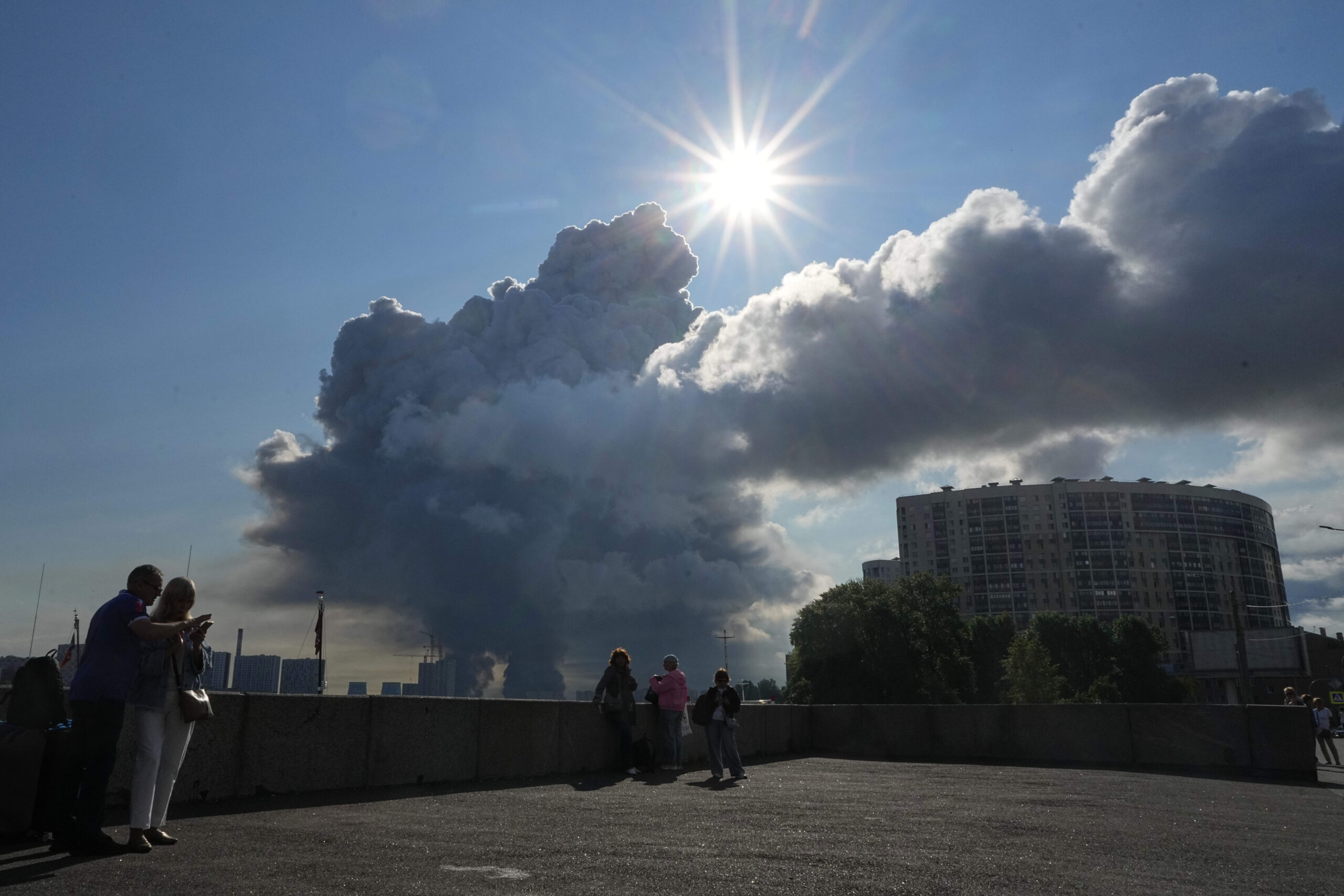
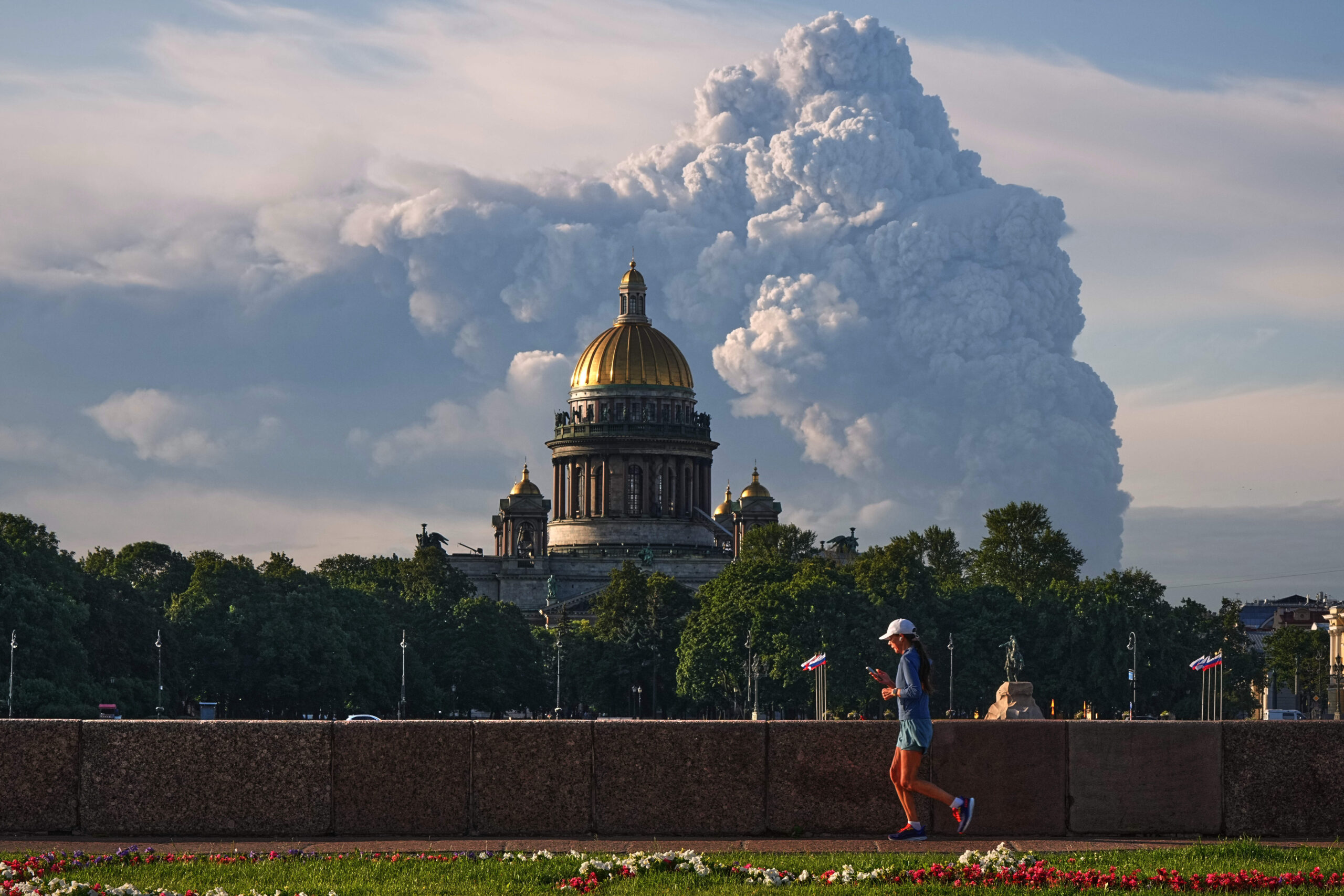
A multiplier must be added to the material analysis. Dozens of videos showing plumes of smoke circulated on Russian social networks. Added to these are those, more alarming, of sellers filming themselves in tears to explain that the fire destroyed their goods, their business, and sometimes their only source of income. The digitization of the sensorium makes the effect sought not lie in the building itself, but in the gaze: the strike destroys a hangar; its diffusion destroys the certainty that the war remains distant.
It touches the most sensitive point of the internal Russian apparatus. The regime’s stability rests on an implicit bargain: the acceptance of political restrictions in exchange for access to modern, ever-improving consumption. This contract survived the onset of war precisely because daily life in the big cities had not been upended. Retail had already experienced, by 2026, its first contraction in the number of points of sale in more than twenty years.
The ruined small entrepreneurs, who form part of the country’s emerging middle class, would become a source of resentment of a new kind. Having entered the protest movement late, they would be less likely to oppose Putin’s regime directly, which could pull other segments of the population into discontent.
What this campaign teaches
Striking consumer logistics does not target the state’s ability to wage war, but the society’s ability to maintain a normal life. This coercion touches every citizen and is nearly indefensible. It nonetheless exacts a cost on the aggressor, namely Ukraine. According to Ukrainian sources, the July 18 strikes responded to the destruction of Nova Poshta terminals, the Ukrainian postal logistics operator. Reciprocity is the only rule that seems effective, but its effectiveness is uncertain. Nothing currently indicates that a degradation of consumption will translate into a shift in Russia’s position, and the history of coercive economic campaigns counsels caution.
Still, the broadest lesson remains. Hubs of sorting and digital platforms concentrate a strategic value comparable to that of the ammunition depots of the last century, with the crucial difference that these are civilian, visible, and immobile. Any society that entrusted its daily supply to a handful of tin sheds has, unknowingly, built a center of gravity with a great vulnerability. The July 2026 campaign in Russia proves it. It is not an exception. If Europe wants to take seriously the prospect of a conflict with Russia, it must now inventory its potential supply-chain weaknesses and its financial infrastructure to avoid any strategic miscalculation.