
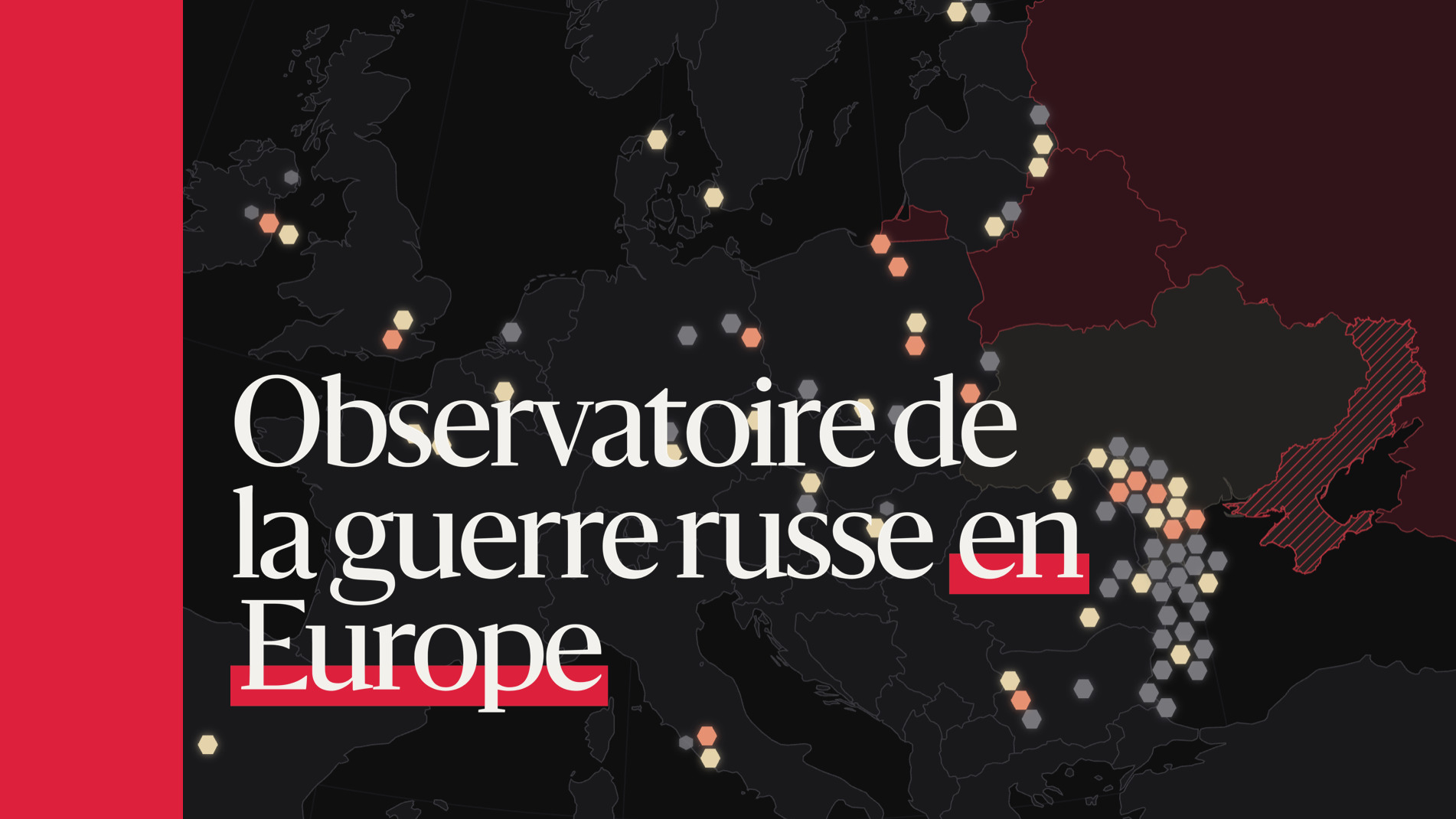
Observatory on the Russian War in Europe
Russia has not declared war on Europe, yet its assaults are increasingly frequent across the continent. This site serves as an observatory for incidents that blur the line between peace and conflict, and it is updated continuously to reflect the evolving situation.
Scope and purpose
The purpose of this observatory is to document and analyze the spectrum of confrontations and pressures that Europe faces in relation to Russia’s actions. Rather than focusing on formal declarations of war, it tracks a range of events and operations that challenge security, stability, and everyday life in European countries. By compiling an ongoing stream of incidents, the observatory aims to illuminate how small-scale clashes, hybrid tactics, and sustained pressure can accumulate into a broader sense of insecurity, even in the absence of an official war declaration.
What is monitored
The observatory tracks incidents across multiple domains, recognizing that modern conflicts unfold through a mix of traditional and non-traditional means. This includes, among others:
– Military movements, border incursions, and clashes that test territorial boundaries.
– Cyber operations and digital disruptions that affect infrastructure, services, and information integrity.
– Energetic and economic pressures, such as disruptions to supply chains, sanctions, and price volatility.
– Information warfare, propaganda, and the manipulation of public opinion that aim to shape perception and policy.
– Civilian impacts, including displacement, casualties, and humanitarian challenges resulting from hostilities or coercive actions.
Methodology and updates
Incidents are gathered from a variety of sources, with careful attention to reliability and context. The observatory emphasizes transparency about data sources, verification processes, and methodological limits. Updates occur continuously, reflecting new developments as they unfold and ensuring that the overall picture remains dynamic rather than static. This allows policymakers, researchers, and informed readers to observe trends over time and to understand how different strands of pressure interact to influence the European security landscape.
Why the observatory matters
Even without a formal state of war, Europe experiences a complex and persistent pressure regime that can alter political calculations, alter security arrangements, and affect daily life. By maintaining a focused record of incidents that blur the boundary between peace and conflict, the observatory provides a way to monitor risk, assess potential escalations, and foster informed discussion about resilience, diplomacy, and defense.
Continuity and accessibility
The observatory is designed to be a living resource, reflecting ongoing events and evolving interpretations. Its aim is not to sensationalize but to offer a steady, analytic account of how Russian actions intrude into European space and how those intrusions accumulate over time. In this sense, the project functions as a continuously updated lens on a challenging and shifting security environment in Europe.
Impact on policy and public understanding
Through its continuous updates and broad scope, the observatory aspires to support decision-makers in evaluating threats, prioritizing responses, and coordinating international or regional actions. At the same time, it seeks to inform the public about the nature of the pressures Europe faces, fostering a more nuanced understanding of security that goes beyond headlines and official declarations.