

To gear up for the new term, try le Grand Continent. The ideas and analyses you won’t find anywhere else. But you’ll see them everywhere soon. Directly in your inbox from 8 euros per month
This Saturday, August 29, a referendum on reopening negotiations for EU membership is taking place in Iceland. As the Western order unravels and several major powers seek to expand territorially by force or coercion, a wealthy and strategically located country knocks on Europe’s door. Should it be read as a test of the Union’s attractiveness?
No, and we must say it plainly: this would be a misunderstanding. It is not a referendum on membership.
In what sense?
The Icelanders are being asked to answer a preliminary question, namely whether it is necessary to resume the negotiations that had been launched in 2009, in the wake of the financial crisis that had struck the country hard and which had been suspended in 2013 and then abandoned in 2015.
It is therefore a kind of “to see” referendum that reconsiders the principle of a possible accession, even before any new negotiation could specify the terms. This peculiarity makes its results, and especially its consequences, particularly uncertain. A “yes” victory would merely open a process whose outcomes would not be guaranteed.
Why is this referendum taking place now?
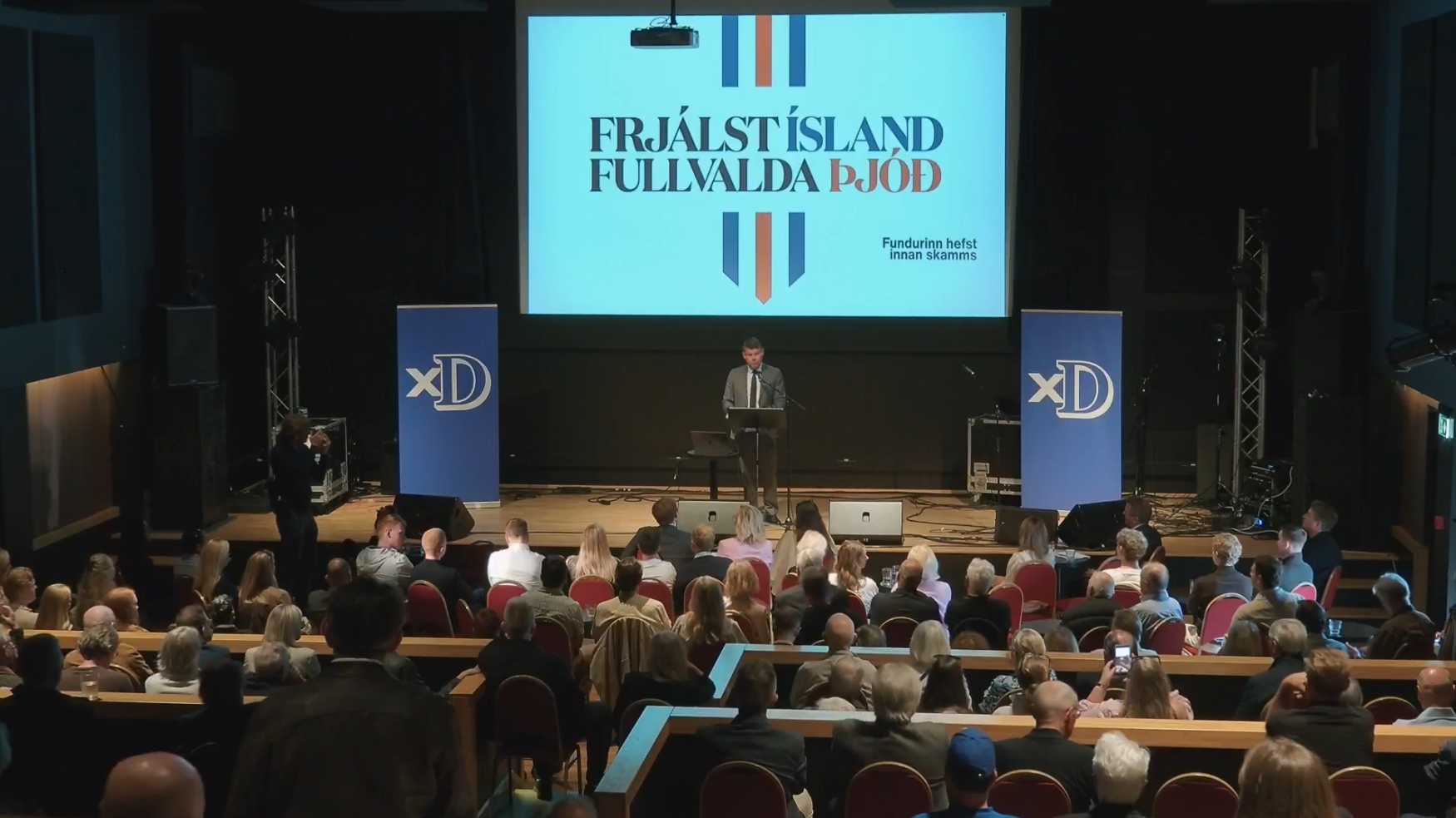
It is mainly the result of a coalition mechanism. The current government, more or less social-democratic, needed a parliamentary majority. To obtain it, it turned to a small pro-European party that insisted, as a condition of joining the government, on holding a referendum to relaunch negotiations. Without this, there would be no majority.
That explains why, in practice, the government is not running a campaign. Under the coalition agreement, the Prime Minister is obliged to organize the election. She is not at all required to secure a victory for the “yes.”
I would also add a point that deserves attention. Most employers’ associations and trade unions oppose membership. In a Nordic democracy, that still portends difficulties to come.

Several observers attribute the return of the European question in Iceland to the geopolitical upheavals of recent years. Isn’t that the case?
Only partly, from the Icelandic perspective. Support for membership had fallen to about a quarter of voters when negotiations were suspended. It rose again after the invasion of Ukraine, and, according to polls conducted in 2025 and 2026, a narrow majority would be favorable to resuming talks.
However, these figures should be read with caution. Support for resuming negotiations and support for membership are two different things, and it is precisely the gap between the two curves that makes the vote outcomes unclear. A portion of the “yes” supporters are simply curious, not necessarily convinced.
You followed the first negotiation between Iceland and the Union closely. Why did it fail?
Two prerequisites.
First, a procedural point that matters. The first round of negotiations, which began in 2009, did not precede a referendum. It was a decision by the government and Parliament, entirely democratic, but without a direct mandate from the people or popular enthusiasm.
Secondly, Iceland is already fairly integrated with the Union. It has applied the Schengen agreement since 2001, as well as the free movement within the European Economic Area (EEA). Back when I worked alongside Jacques Delors, we imagined this economic union as a sort of “safety valve” between participation in the internal market and full accession, akin to the Norwegian and Icelandic models—only the Swiss opposed it.
Now, why did the negotiations fail? It largely came down to the fishing sector, which accounts for 60% of the island’s exports. The problem for Iceland was simple: joining the Union would also mean joining the common fishery policy. That would have meant that all Member States could come to fish in its waters, and Iceland could fish in others’ waters. But given the balance of power, there would always be more fishermen in its waters than the other way around.
If negotiations resume, could the Commission overcome this obstacle?
If the “yes” wins, it will likely be by a relatively narrow margin, and a compromise will probably have to be found that does not entail a full application of the principles of that policy.
The policy in question makes the territorial waters of Member States a common good of the Union that everyone can benefit from, subject to fishing regulations and quotas. But quotas are European. Is that unrealistic? I do not think so, and for one structural reason.
Which one?
The context is completely different from the United Kingdom’s case. In the Brexit case, the situation was nearly balanced, which posed problems: the Union wanted to fish in British waters and the British wanted to fish in European waters. That standoff significantly complicated negotiations. The problem with fish is that they don’t recognize borders!
Here, the asymmetry is total. Europeans have a major interest in fishing in Icelandic waters, while Iceland has a strong defensive interest. In such a situation, both sides would have to demonstrate a lot of goodwill to reach an agreement.
Beyond the fisheries issues, what other topics weigh on the Icelandic debate?
A new concern has emerged in recent years related to climate change.
In their campaign against membership, the right-wing parties spread the idea that with warming, Iceland will experience an influx of European populations seeking cooler climates who will come to live at the expense of the Icelandic welfare state. The system, balanced and functioning well for 400,000 inhabitants, would struggle to accommodate 150,000 additional people. In a country of this size, any demographic shift has relatively significant repercussions. It’s a persuasive argument.
In the days leading up to the vote, what could the Union offer Iceland to guarantee a “yes” victory?
Less than some eurosatisfaction speakers let on, and more than is often said.
Less, because the Union cannot guarantee anything absolutely in fishing before opening that chapter, and because any flexibility granted to Iceland will be scrutinized by Spanish, French, or Dutch fleets, which have no desire to set a precedent. But no Icelandic political actor can defend membership without a guarantee of sufficient control over territorial waters.
Less still because EU enlargement to Iceland would occur while Ukraine, Moldova, and the Western Balkan countries are already waiting to join. A wealthy country that already meets most of the economic chapter requirements could technically join very quickly, much faster than Kyiv. Politically, that poses a problem. It would project an image of an Union that welcomes those who need nothing, while forcing those whose survival depends on it to wait.
On the other hand, joining the European Union would be a step forward for Iceland, a country historically deeply democratic. It would sit at the table where standards are set that it already applies without participating in the decision, but, true, with a weight that would remain modest—for example, six seats in the European Parliament.
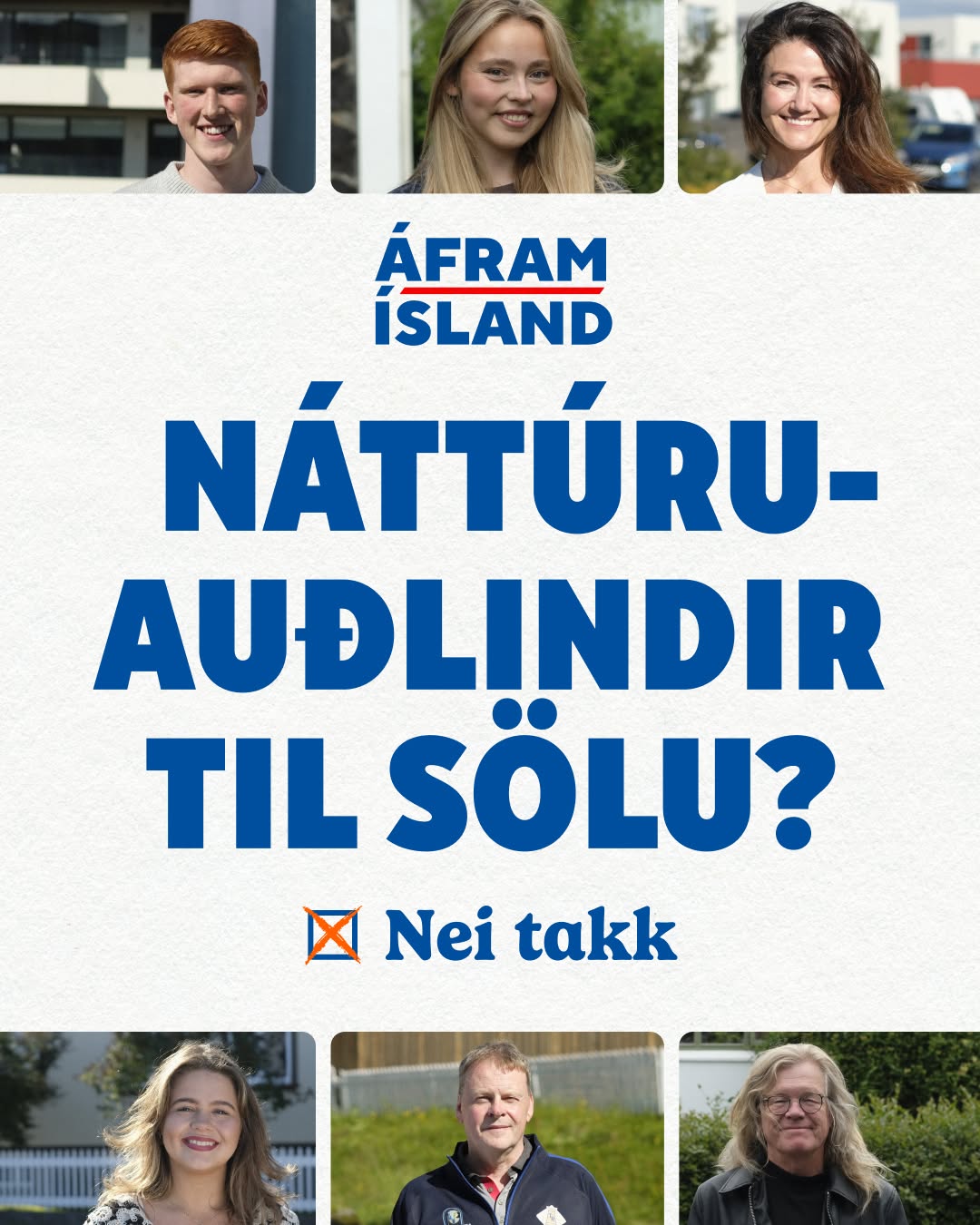

From a geo-economic standpoint, wouldn’t Iceland’s floating exchange rate pose a problem for Iceland and for the European economic architecture?
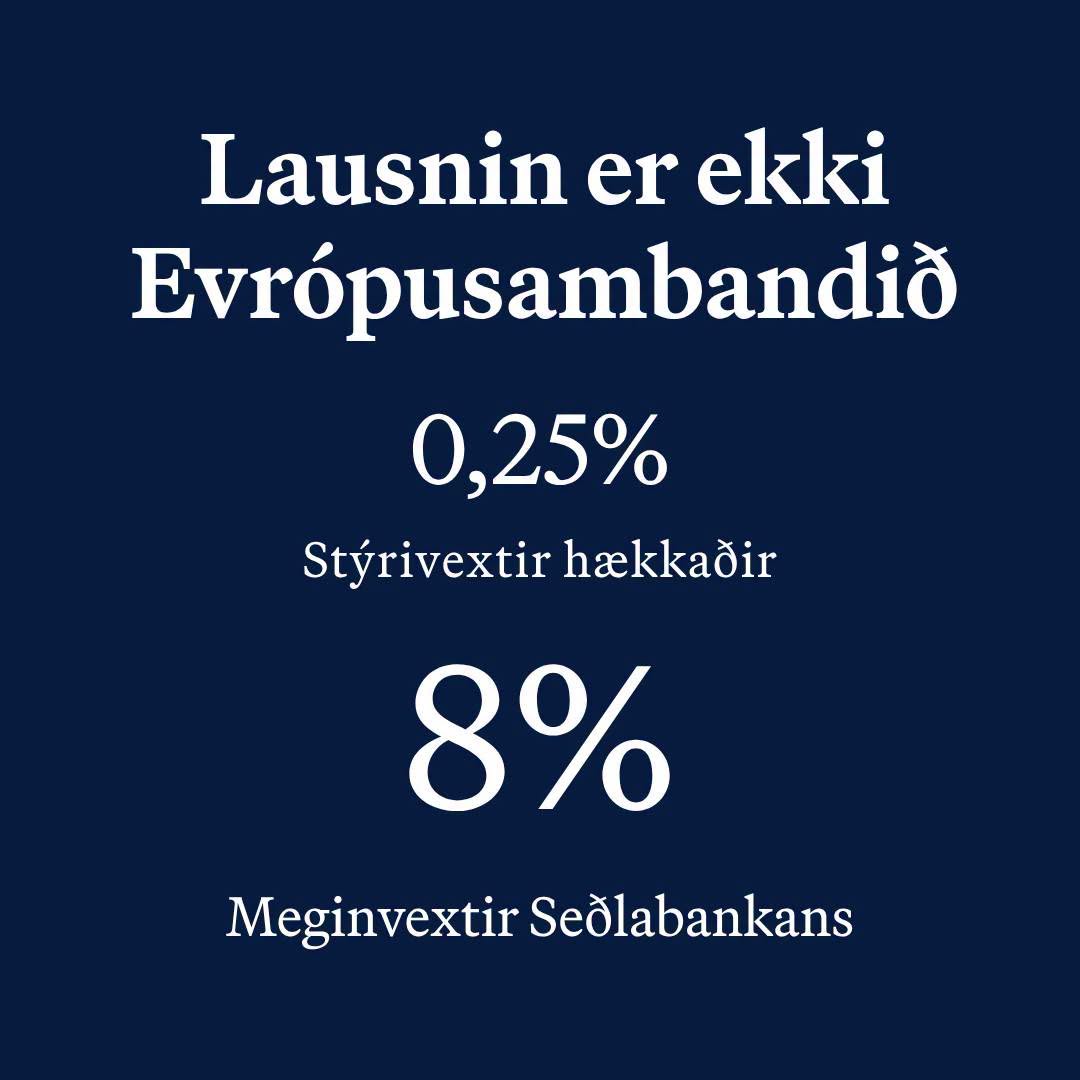
That is a real debate. A floating exchange rate gives a small economy, highly exposed to external shocks like fishing, tourism, and energy, a considerable degree of adaptability. It played a role after 2008, with currency volatility accompanying full employment. However, it also has a cost, including volatility, high interest rates, and indexing.
Membership in the Union does not involve immediate adoption of the euro, but it would drag Iceland further along a path of monetary integration, something a portion of the population opposes.
Returning to geopolitics. Do Donald Trump’s predatory designs signal the start of a new phase, including in Iceland?
Less than we might think here. Iceland has been a NATO member since 1949 and has linked its security to that of the United States through a defence agreement signed in 1951. The same goes for the United Kingdom and Canada.
In a country without a standing army, this ultimately becomes a key element: belonging to the Atlantic Alliance is the very foundation of national security, beyond partisan views or changes in Washington.
Billy Long, the American ambassador to Iceland and a confidant of Donald Trump, had suggested early this year that the Nordic country might become the 52nd state after Greenland became the 51st…
That of course provoked strong reactions and contributed to the politicization of this referendum. Icelanders clearly watch what is happening in Greenland. But they also understand it through their own history.
In what sense?
Iceland is a former Danish colony, and its relations with Denmark are the product of a relatively recent decolonization process. Iceland did not obtain sovereignty while remaining under the Danish crown until 1918, and did not achieve full independence until the end of World War II, in 1944.
In their current situation, it seems to me that most Icelanders essentially view their island as far too important for Americans to permit adventurism.
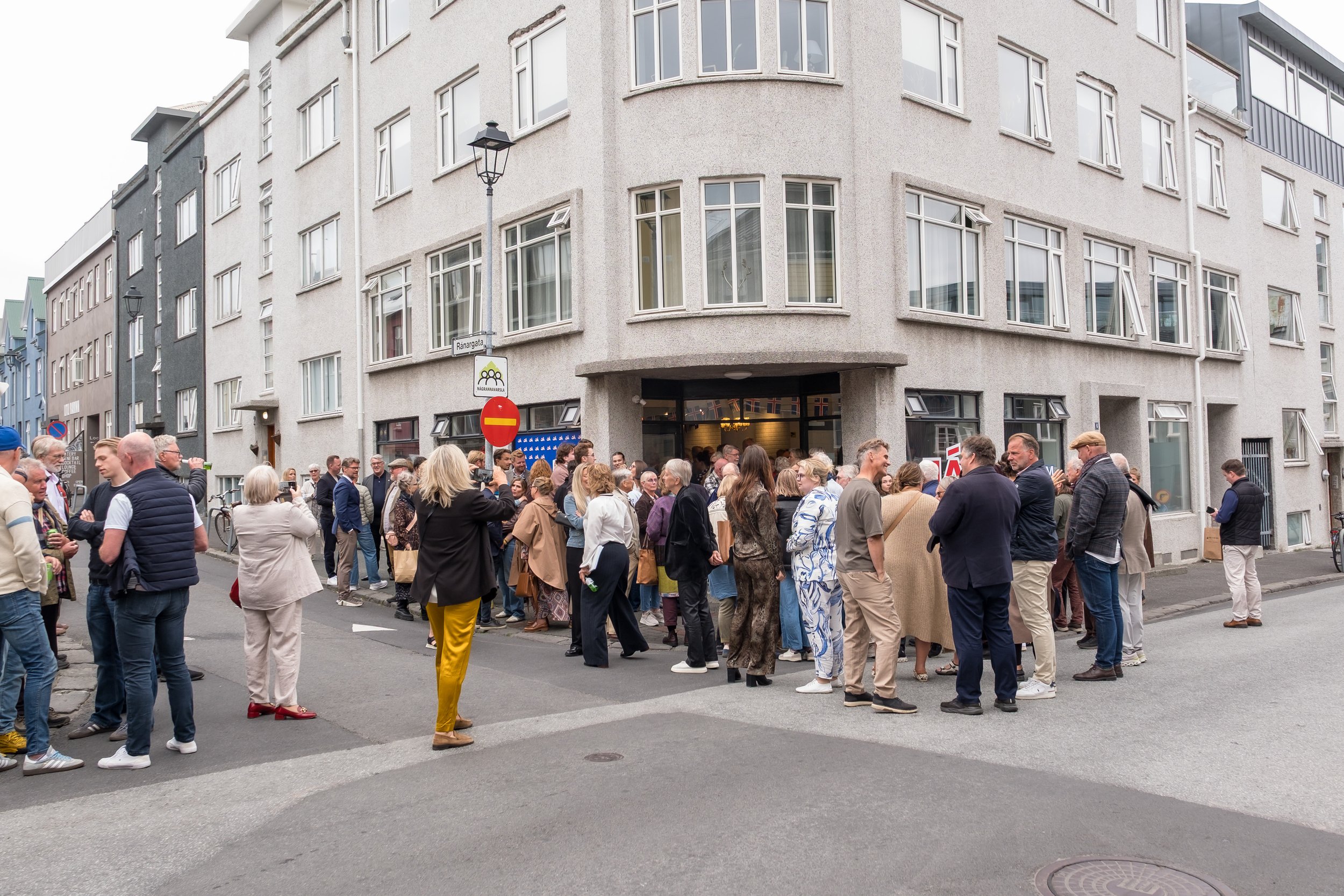
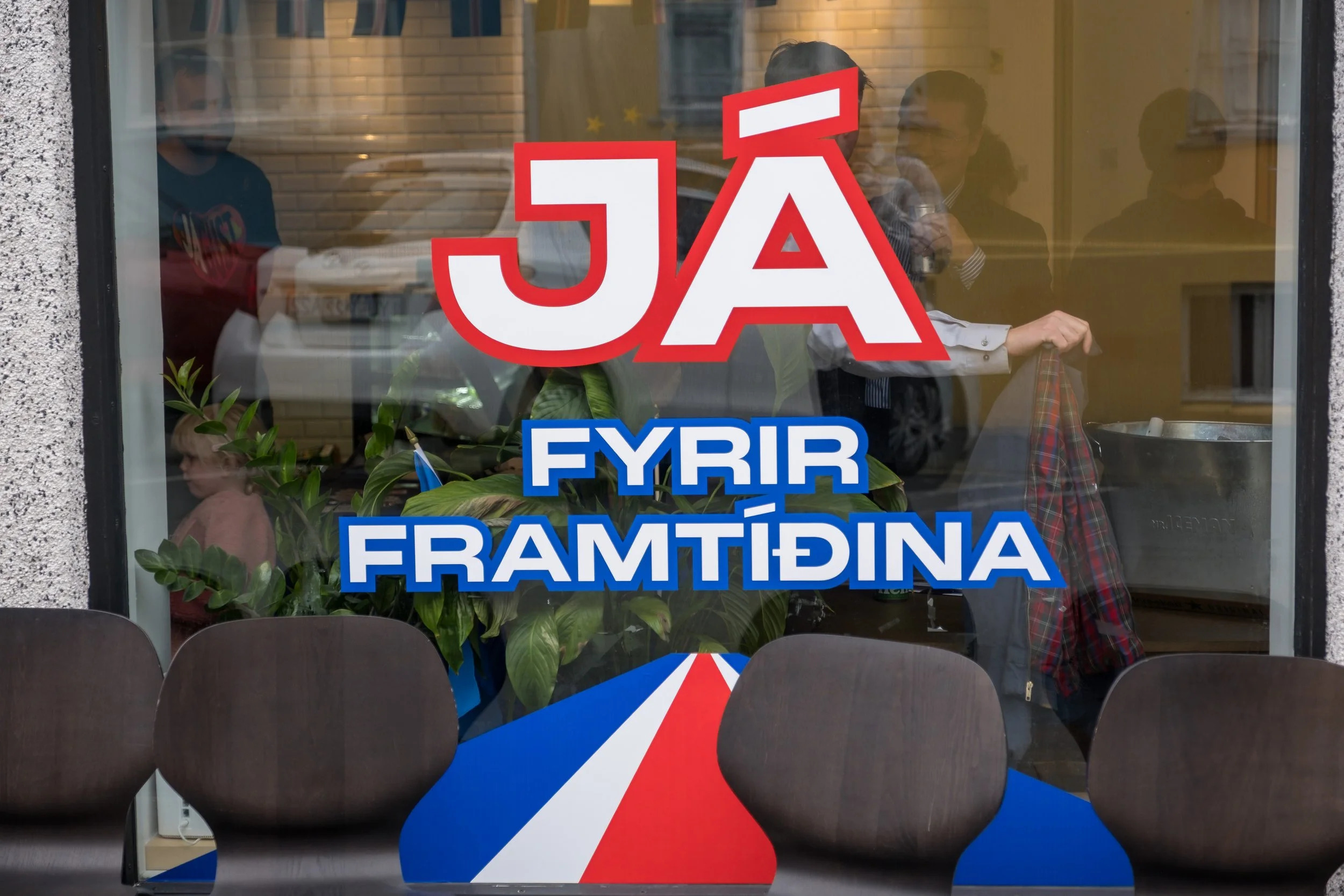
Do you think Europe’s forces’ struggle to present themselves as a credible security alternative is influencing this stance?
Let’s pose the question bluntly, as Icelanders themselves do.
Article 42.7 of the Treaty includes a mutual assistance clause whose wording is more binding in formal terms than Article 5’s, but it does not come with any European command structure, no planning, and no specific means.
Yet Iceland’s needs are very specific: anti-submarine warfare, maritime patrol aircraft, acoustic surveillance and air policing, and, of course, intelligence and space observation. These are rare, costly capabilities, for the most part of American origin.
Will membership in the Union change Iceland’s military apparatus?
It will alter Iceland’s place in the European decision-making chain regarding sanctions, critical infrastructure, defence industry financing, and resilience. This is no small matter. But this is not what the European public debate portrays, which presents the Union as some kind of safe haven. And when you are in Reykjavik, you are 2,000 kilometers from Brussels.
Has Europe’s response to American pressure on Copenhagen and Nuuk been convincing, in your view?
Yes, but not entirely, because Trump keeps returning to it.
The Union has offered political support to Copenhagen, but an Icelander observing the situation might draw the opposite conclusion from what Brussels hopes. If accession to the Union does not suffice to protect European territory from allied pressure, then the value of European guarantees is clearly limited.
I don’t want to sound too bleak. Those who vote “yes” — and they will be many — will argue that solitude is the worst of solutions and that it’s better to be in the room where the conversation is taking place than to be on the list of people who are talked about. The referendum partly turns on this alternative, for which there is no answer other than a personal political choice in Iceland.
Iceland sits on the GIUK line linking Greenland to the United Kingdom. Its digital existence depends on several submarine cables, while the Russian Baltic Sea fleet is rearming just a few hundred miles away. Should this territorial dimension influence how we conceive space from the continent?
Churchill once said that whoever controls Iceland holds a pistol to the heads of England, the United States, and Canada. The Greenland-Iceland-United Kingdom axis is returning to what it was during the Cold War: a choke point that Russian submarines must pass to reach the Atlantic. But Iceland plays the role of a “sensor” rather than an actor.
The most real vulnerability, by the way, is not naval. It concerns cables. Iceland is indeed connected to the rest of the world by a scant number of submarine communication cables. An island with fewer than half a million people, whose digital economy, air transport, and data centers depend on only a few cables, presents an ideal target, as Russian operations in the Baltic show.
In this domain, the European argument is stronger than in others. Protecting critical infrastructure, regulation, funding, and coordinating investigations largely fall under Union competence. This may be the best argument in favor of membership, and it is the one least discussed.
Does Moscow have an interest in the August 29 result being negative, and has it made that known? Are similar Russian influence operations to those seen elsewhere in Northern Europe observable in Iceland?
At this stage, we don’t know. I also notice a lack of interest in this referendum in European debate, which could be conducive to stealth intrusions.
But there is one thing I clearly observe thanks to my involvement in polar affairs, especially in terms of scientific research. The Union and the United States have officially severed all scientific ties with Russia. Yet those ties were essential for polar research, whether for cryosphere systems, albedo studies, or emissions related to permafrost or glacier melt. This rupture carries a significant scientific cost. But those who repeatedly come and go, to say “let’s not go too far,” are Icelanders. Not because they are infiltrated by Russian intelligence, but because they view the promotion of cryospheric science as an urgent and important issue, and Moscow remains Moscow after all. This is a distinctly Icelandic stance. In this case, the pragmatism of this small nation wins out over allegiance to any bloc.

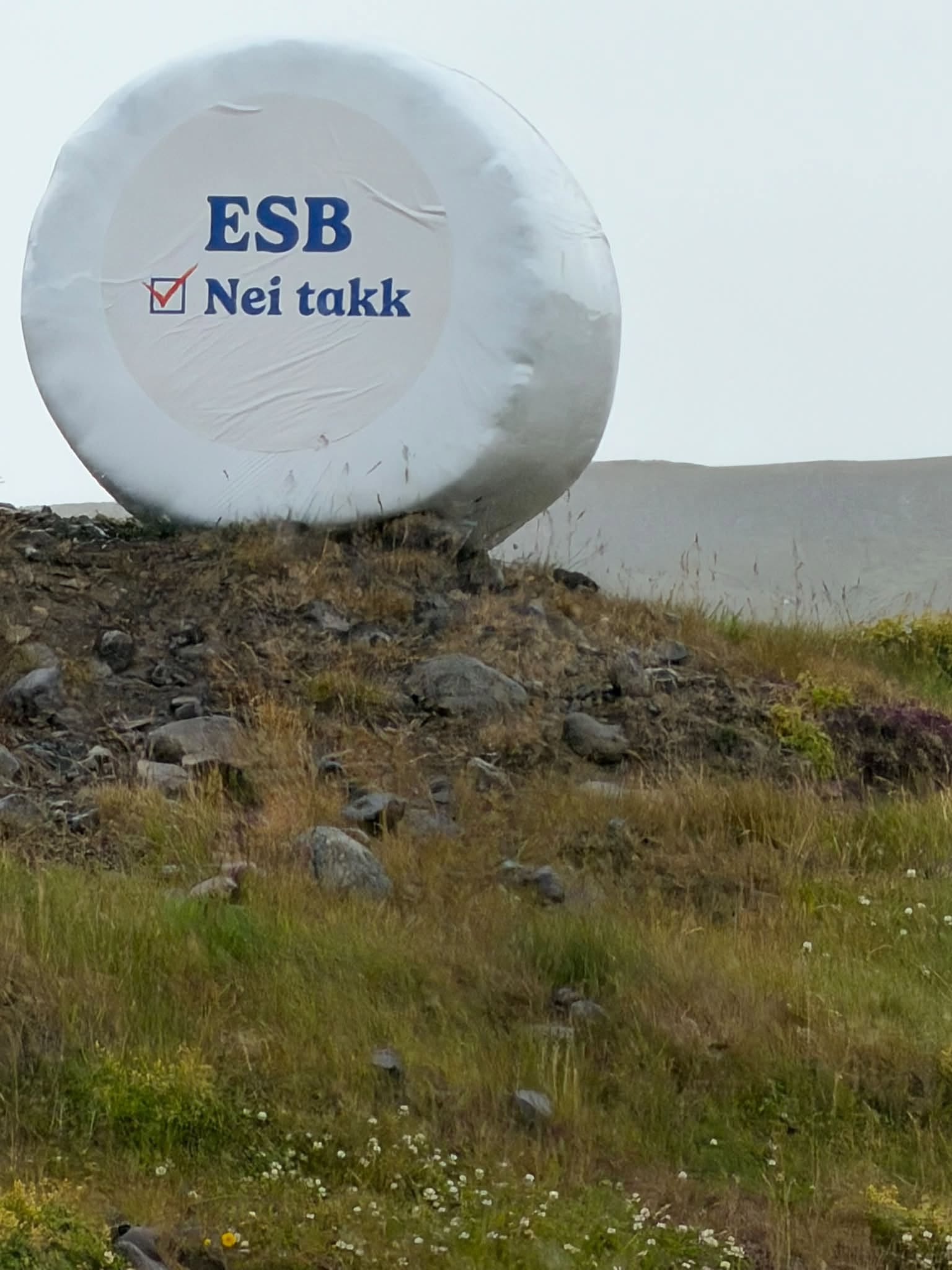
There is a third factor, slower but ultimately more imposing. The melting of marine ice, the Northern Sea Route, resources, and China’s interests are all decisive topics. Could Iceland become a hub of activity in the Arctic region? Is this an argument for or against accession?
That, in my view, is the most interesting question, but I don’t see any trace of it in the referendum debates.
If the Arctic region truly opened to commercial traffic, Iceland’s geographical position would cease to be marginal and would become a transit point. The Chinese understood this before the Europeans. Iceland was the first European country to sign a free-trade agreement with Beijing in 2013, and a Chinese investor’s attempt to acquire land in the early 2010s sparked a national debate.
But this bet is double-edged. According to proponents of the status quo, a country slated to become a hub has every interest in preserving its commercial and diplomatic maneuvering space, both toward Washington and Brussels, London or Beijing. According to accession proponents, a small state exposed to competition among great powers at its borders has an interest in relying on a regulatory bloc of 450 million people. These are two valid arguments. The second simply assumes the Union’s ability to wield influence in the Arctic region.
You now spend much of your time on questions related to oceans and the poles. If you had to define the Union’s Arctic policy for the next cycle, would Iceland be a central or secondary element relative to Greenland and Norway?
Let me offer a comparison, without pushing the analogy too far. It’s a bit like Monaco.
Monaco?
Yes, fifty years ago, the principality decided that to have international influence, you had to bet everything on the ocean and oceanography. And indeed, Monaco is now a global actor with influence on ocean affairs, including polar questions.
Iceland adopts a similar approach regarding polar and cryosphere issues. It has devoted substantial effort to them in recent years. It has succeeded in bringing countries like India on board, due to glacier melt. It has also cooperated with the United Arab Emirates, which, at first glance, has little to do with the poles, but which needs a presence on the international stage and invests resources there, as in sport. It has also cooperated with France on the occasion of the first Arctic summit in Paris, organized at the initiative of the President in November 2023. Their strategy is to concentrate their influence and limited diplomacy on a topic that cannot be ignored.
And this issue is gaining increasing prominence. The poles are the sentinels of climate warming. The places warming the fastest on the planet are the Arctic, then the Antarctic, and finally Europe. This dynamic has produced two convergences.
Which ones?
A climatic convergence and a strategic convergence, with the strong re-emergence of questions related to the sea, straits, and passages. Iceland did not hold much significance fifty years ago, and it held a bit more twenty years ago. Today, it assumes new importance for both reasons. This knot indeed vindicates those who believe that the ocean does not occupy the place it is due in the international agenda.
Since 2019, the Union has presented itself as a “Geopolitical Commission.” It has no coastline in the Arctic region, except for Greenland, which, not being a Union member, has not advanced its observer status in the Arctic Council, which has stalled for more than a decade.
That is a structural weakness in the European narrative, and Icelanders are aware of it. The Union runs an Arctic policy but is not, per se, an Arctic power. Its observer status in the Arctic Council was initially blocked for trade reasons, then politically, and the organization has been functioning at a crawl since 2022.
This gives the August 29 referendum an importance Brussels downplays. With Iceland’s accession, the Union would become a neighboring state to the Arctic region through a full member country with an extended exclusive economic zone and leading expertise in oceanography and the cryosphere.
From the Union’s point of view, this would, all things considered, be a good deal, and it may have more to gain from this accession than Iceland itself. But this is not how the debate is framed, either in Reykjavik or in Brussels.
So what is the main mistake not to be made?
A well-known Icelandic saying goes: “If you don’t like the weather, wait five minutes.” On August 29, it would probably be wise to apply the same prudence to the results. Before drawing hasty conclusions about Europe’s future, it would be best to wait and observe the Icelanders’ reaction.
This referendum cannot be viewed through the same lens as the traditional European landscape and the usual debates about the pros and cons of integration. It is a standalone issue, and if we do not understand it, we risk misinterpretation.
A “yes” victory will not guarantee accession. It will mark the start of complex, lengthy negotiations, whose outcomes will have to be approved anyway, and it will run up against a hurdle on the fishing issue. A “no” victory will not constitute a rejection of Europe or the sign of a new wave of skepticism toward the Union. It will reflect a majority of Icelanders satisfied with this unique status quo, difficult to reproduce elsewhere, as is currently the case in Norway or Switzerland.
De minimis non curat praetor, one might be tempted to say, because a 400,000-person country joining the Union would practically change nothing in the Union’s grand balances. But politically, it is worth watching this referendum, precisely because it reminds us that European integration is never a purely abstract equation between sovereignty and cooperation. It depends on a country’s history, geography, culture, and its own interests. And in the Arctic region, which is rapidly evolving, geography matters more than population size. Yet another case of rebalancing where geopolitics could prevail over geo-economics!