
Try Le Grand Continent and discover ideas and analyses you won’t find anywhere else. But you’ll see them everywhere soon. In your inbox starting at 8 euros per month
Intermittently, and often in connection with their victories on the military front, the Houthis burst into the European and American media space.
The lightning operation carried out up to the Bab el-Mandeb strait is only the latest in a series of actions that were notably marked in 2014 by their seizure of Sanaa, the Yemeni capital, or in 2023 by their attacks at sea in the Red Sea, in support of the Palestinians. Yet, this Yemeni politico-religious movement seems each time to be (re)discovered.
1 — A Family: al-Houthi, Father and Son
The movement takes its name from the al-Houthi family, originating from the environs of Sa’dah in the far north of Yemen. The term “Houthis” thus generically designates the supporters of the current leader Abd al-Malik al-Houthi, born in 1979. He succeeded his father Badr al-Din (1926-2010), who had himself served in an interim capacity after his son Hussein, founder of the movement born in 1960, was killed in September 2004 by the Yemeni army. By convention, the label Houthi refers to the family itself, and houthiste to the movement that extends far beyond the familial circle.
The Houthis first designate themselves through the term of the Faithful Youth (al-Shabab al-mu’min) and, since 2011, as the Partisans of God (Ansar Allah), a name not without echo with the Lebanese Shiite party, Hezbollah.
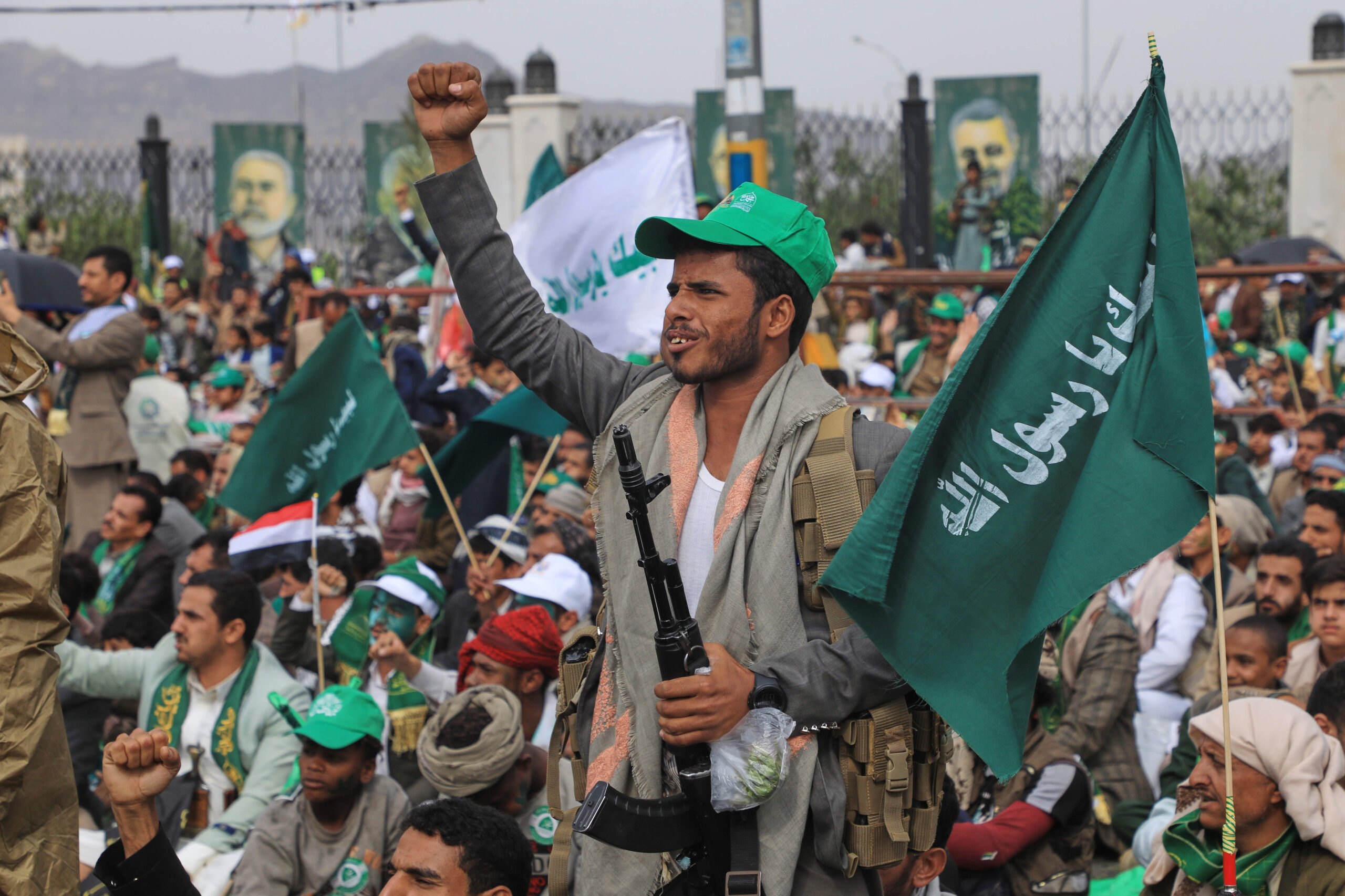
Within Yemen’s traditional tribal milieu, the prestige of the al-Houthi family rests on its belonging to the descendants of the Prophet Mohammed. They belong to a form of aristocracy that, in this northern Yemeni environment where tribes are predominant and armed, managed to claim a form of monopoly over religious knowledge. These families, known as Hashemite or designated as sayyid (plural sada) or ahl al-bayt (people of the house), also seized political power, up to the republican revolution of 1962: the imam, a monarch-like figure, was then selected among members of these families.
2 — An Identity: the Zaydi Renewal
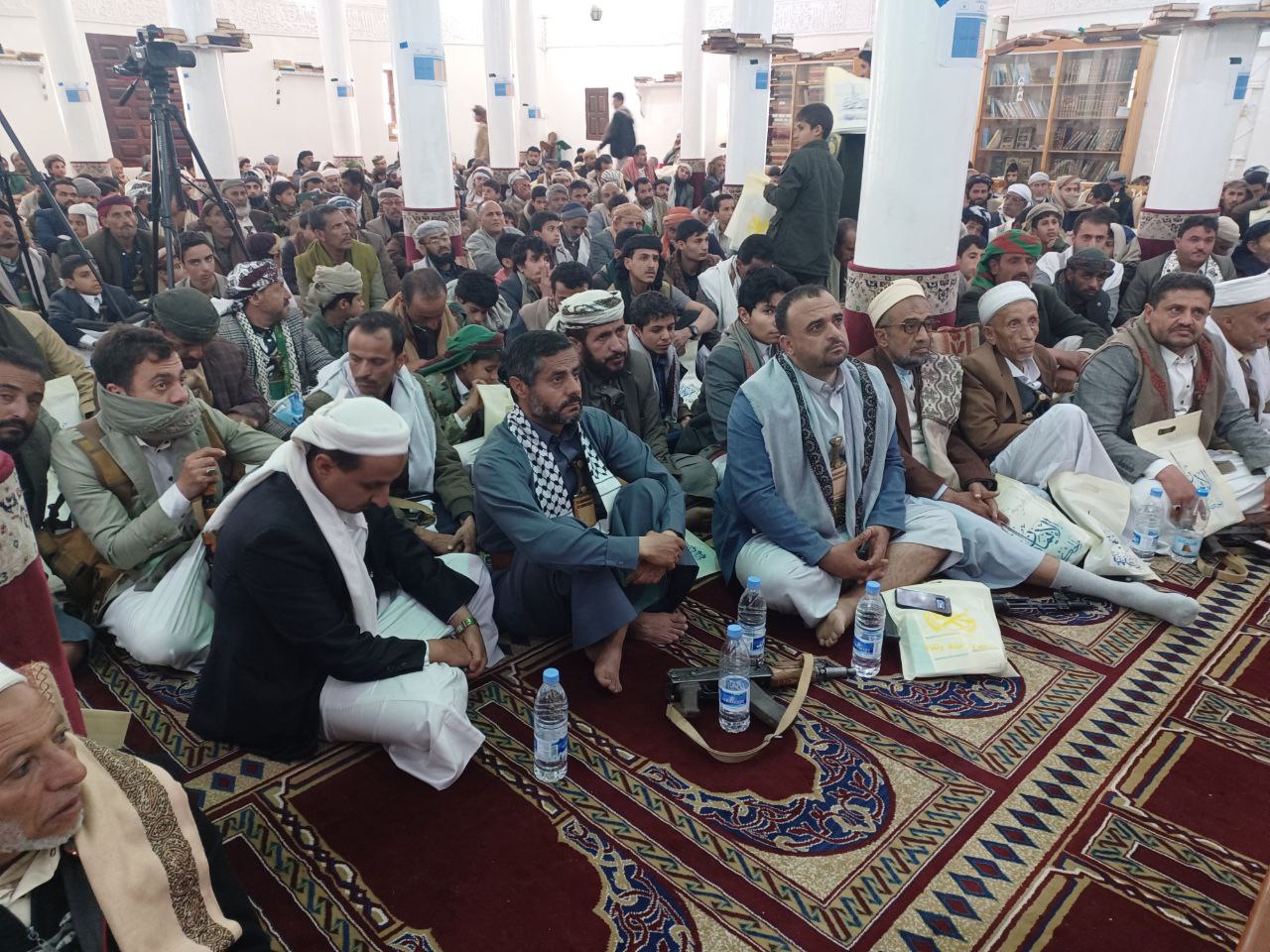
The Houthi movement is embedded in the Zaydi identity, a unique branch of Shiism that today is present only in Yemen, to which around 40% of the total population is originally linked. The 1962 revolution, which ended the Imamate regime, unsettled Zaydiism and led to its political and religious marginalization. The loss of sense of this religious identity gave rise to a renewal dynamic from the 1980s onward, driven in particular by the Faithful Youth and influenced by clerics such as Badr al-Din al-Houthi.
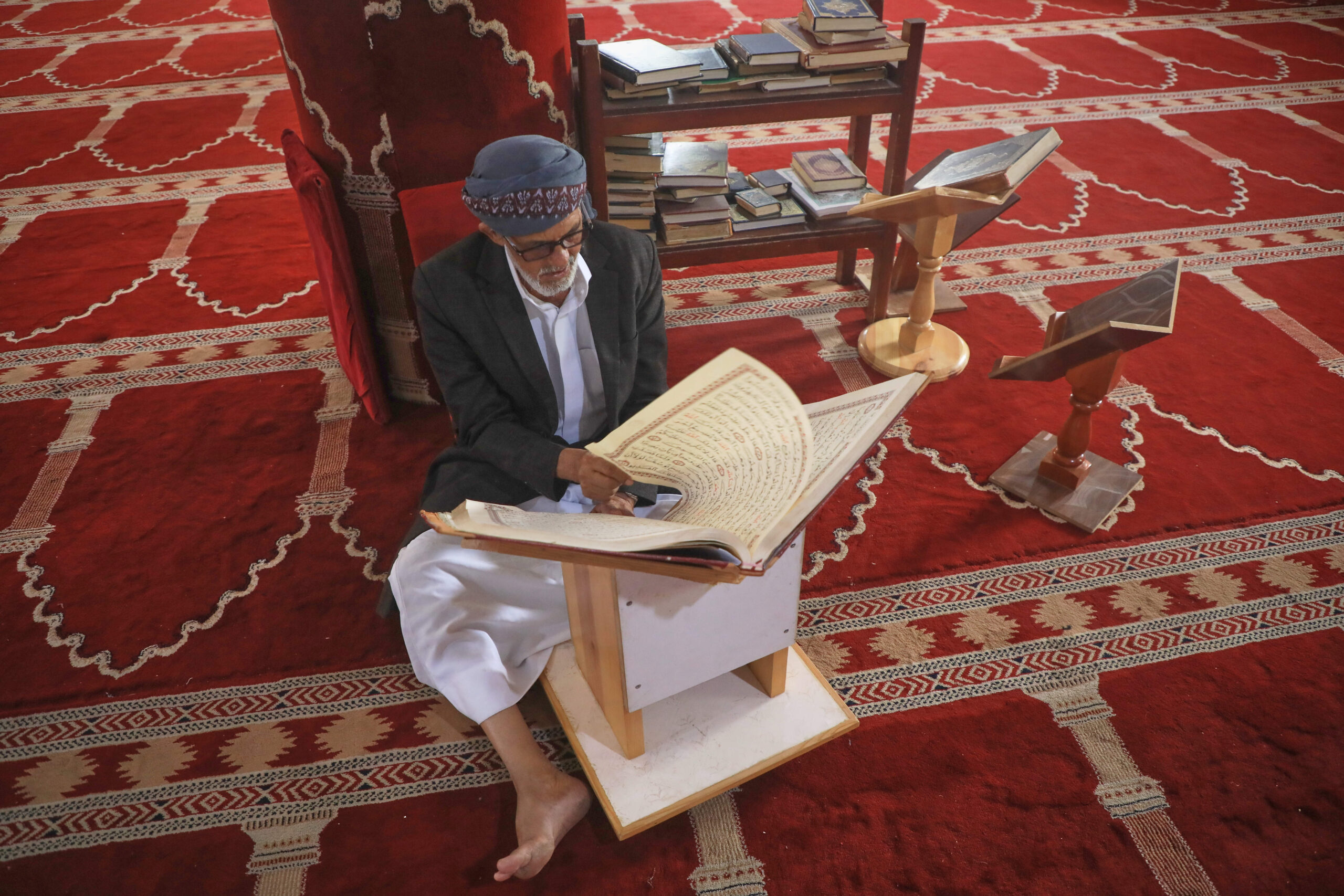
The organization of Quran-learning camps, editorial activities, and lectures in mosques led to the emergence of a generation of militants eager to reinvent their Zaydi identity. Locally, around Sa’dah, the parallel deployment of a Salafi movement with ties to Saudi Arabia, and the influence of the post-revolution Iranian experience fostered a reconfiguration of identity.
3 — A Corpus of Ideology: Hussein al-Houthi
During the 1990s and the early 2000s, the Faithful Youth organized around Hussein al-Houthi’s teachings. He was elected as a deputy between 1993 and 1997. He then pursued university studies at Khartoum University, and after returning, engaged in sermons and lectures focusing on the history of Zaydiism, the preeminent role of the Hashemites, descendants of the Prophet, as well as on international issues.
The context of the fight against Al-Qaeda from September 2001 and the 2003 Iraq War fostered a critical discourse of the Yemeni authorities aligned with the United States in Hussein al-Houthi. The leader of the Faithful Youth’s interventions gave his supporters the occasion to chant unambiguous slogans: “Death to America, death to Israel, curse upon the Jews, victory to Islam!” A visit by President Ali Abdullah Saleh to Saada in early 2004 during which the assembly shouted this slogan justified state repression. Hussein al-Houthi’s attempted arrest failed and led in June 2004 to an armed conflict whose repercussions are still felt today.
Two months later, the death of Hussein al-Houthi while he was hiding in a cave made him a martyr, but did not resolve the confrontation with the central power. His successors and supporters continued the fight and used his teachings to shape an ideological corpus that, anchored in Zaydi tradition, reinvents it. The Malazim (notes), as they are named, were gathered, widely diffused, and analyzed. They are marked by a contestatory rhetoric and the highlighting of a form of infallibility of religious interpretation by the Hashemites, contributing to what is described as a “Quranic culture.” This concept is, in retrospect, placed at the heart of the Houthi ideology and constitutes a local counterpart to Khomeini’s intellectual contribution to the 1979 Islamic Revolution, namely the doctrine of velayat-e faqih, which grants religious scholars a leading role in governing political affairs.
4 — A War-Hardened Movement by the Sa’dah Wars
This Houthi ideology, marginal during Hussein’s lifetime, would probably have remained confined to the very small segments of the renewal of Zaydiism’s supporters if not for its inscription in a prolonged civil war. The police operation against Hussein took on an unexpected scale and gave rise to an armed conflict known as the “Sa’dah wars.” Over six rounds between 2004 and 2010, the Houthi movement and the central power fought militarily in the highlands of Sa’da and then in the neighboring governorates. After his half-brother, then his father, Abd al-Malik al-Houthi gradually took up the leadership of the movement in 2007.
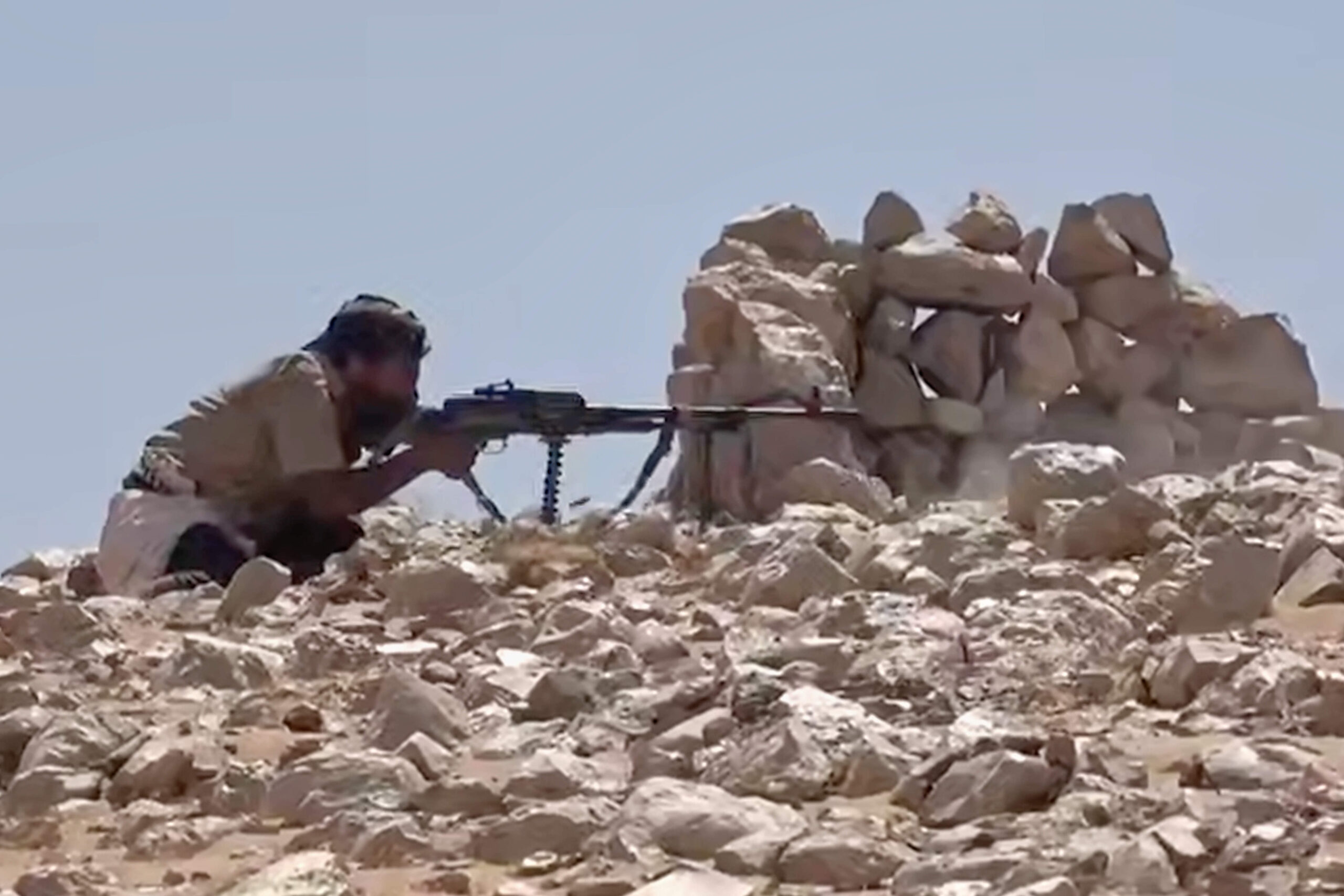
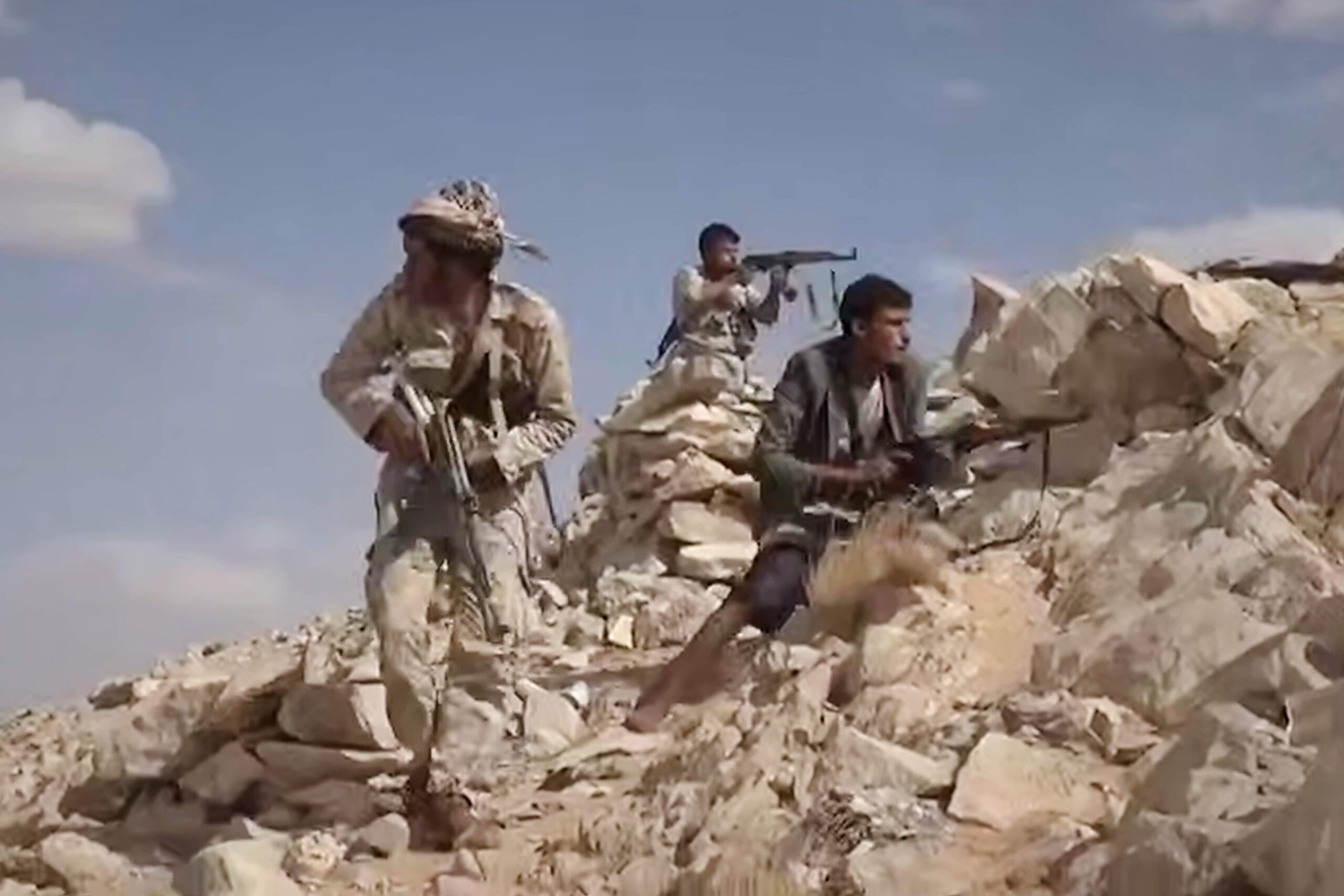
The indiscriminate repression caused by this asymmetric war, accompanied by aerial bombings, occasional Saudi intervention, and Sunni Islamist militias, undoubtedly favored the alignment of populations in these areas with the Houthis. The Zaydi-origin tribes contributed to the Houthi war effort, as did the support received from the Islamic Republic of Iran. As early as 2004, the Yemeni authorities accused Tehran (as well as Lebanon’s Hezbollah) of seeking to weaken Yemen and opening a front on the southern flank of Saudi Arabia to foster a Sunni–Shiite confrontation.
During these years, the Houthis’ war experience and that of their fighters strengthened their popular base and allowed Abd al-Malik al-Houthi to become a charismatic figure of opposition. His video interventions, which use vocabulary reminiscent of Hassan Nasrallah’s communication style, position him above the political debate. He manages to present himself as a defender of the common people and of the traditional Yemeni nation, against Saudi interference and American imperialism, but also as a defender of the Palestinian cause.
5 — A Reversed Alliance with Former President Saleh
At the start of 2011, when Yemen’s “Arab Spring” upheaval occurred, the Houthis mobilized in favor of deposing Ali Abdullah Saleh, unsurprisingly adopting the pacifist rhetoric shared by other protest groups, occupying protest sites, and taking part in debates aimed at inventing a new Yemen. However, their integration into the opposition did not last long.
Indeed, Saleh’s fall in 2012 provoked a reversal among the Houthis. The transition process, in their view, gave a prominent place to their Islamist Sunni opponents, notably Yemen’s branch of the Muslim Brotherhood, the al-Islah party, Saleh’s former ally, whom they now sought to punish. To do so, Saleh reached a tacit agreement with the Houthis, offering them the remainder of his financial and military capabilities to undermine the political transition.
On September 21, 2014, the networks of the former regime aided the Houthis in carrying out a victorious coup, then expanding their territory to the capture of Aden, in the south of the country. They claimed to wish to preserve the gains of the revolution and expressed the impatience of Yemenis suffering from the economic crisis and unkept promises.
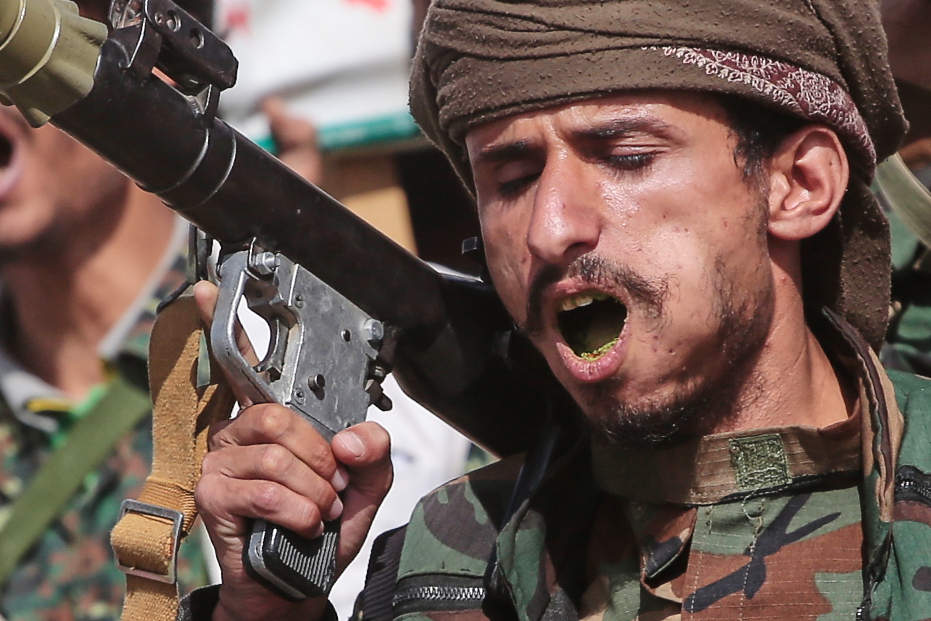
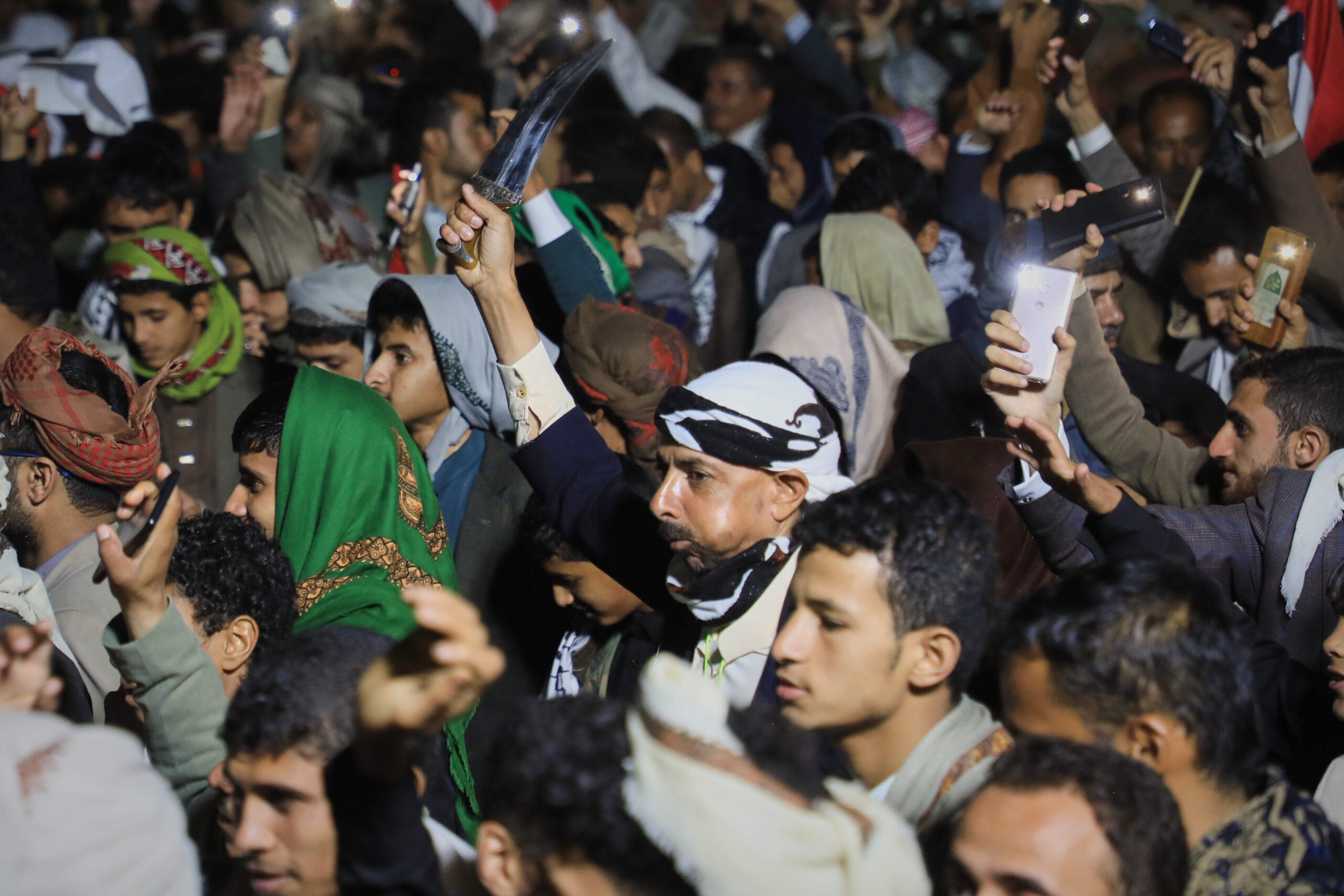
In response to President Hadi’s call, recognized by the international community, Saudi Arabia launched on March 26, 2015 a large-scale military operation intended to bring down the Houthis. But it achieved little success beyond the liberation of Aden, which became the provisional capital. Saleh’s new turn, who by late 2017 accepted the Saudi proposal to turn against the Houthis, had even less effect: the Houthis ultimately killed him during his flight, and they remained alone in power in the territories they controlled, that is to say the western third of the country where more than two-thirds of Yemen’s 35 million inhabitants live.
6 — An Ambiguity: Restore or Not the Imamate
If the Houthis base their political strategy on nationalist and populist rhetoric; against “the American-Israeli-Saudi aggression” and corruption, the ideology they carry is not without ambiguity.
First, it must be acknowledged that their mobilization capacity hardly extends beyond the segments of Yemeni society that originate from the Zaydi community. The instrumentalization of a few Salafi figures, for example, does not deceive. Then, the core of their elites belongs directly to the minority of descendants of the Prophet. Finally, even if he does not hold the title and while façade institutions have been created, such as the Revolutionary Committee, Abd al-Malik al-Houthi effectively plays the role of monarch and imam. The ambiguity is maintained, and no published text, not even Hussein al-Houthi’s Malazim (notes), argues for the restoration of the Zaydi imam, which disappeared in 1962.
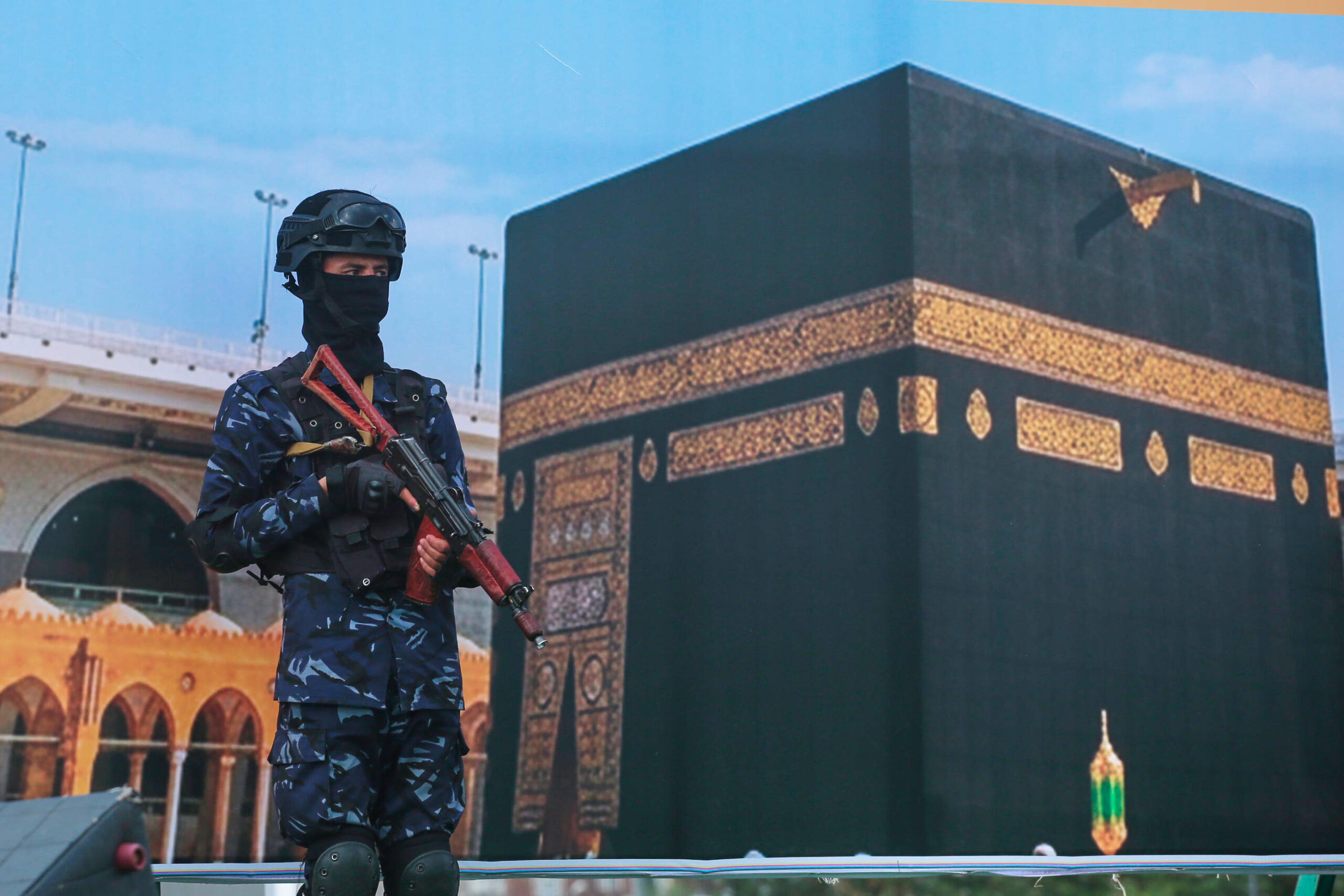
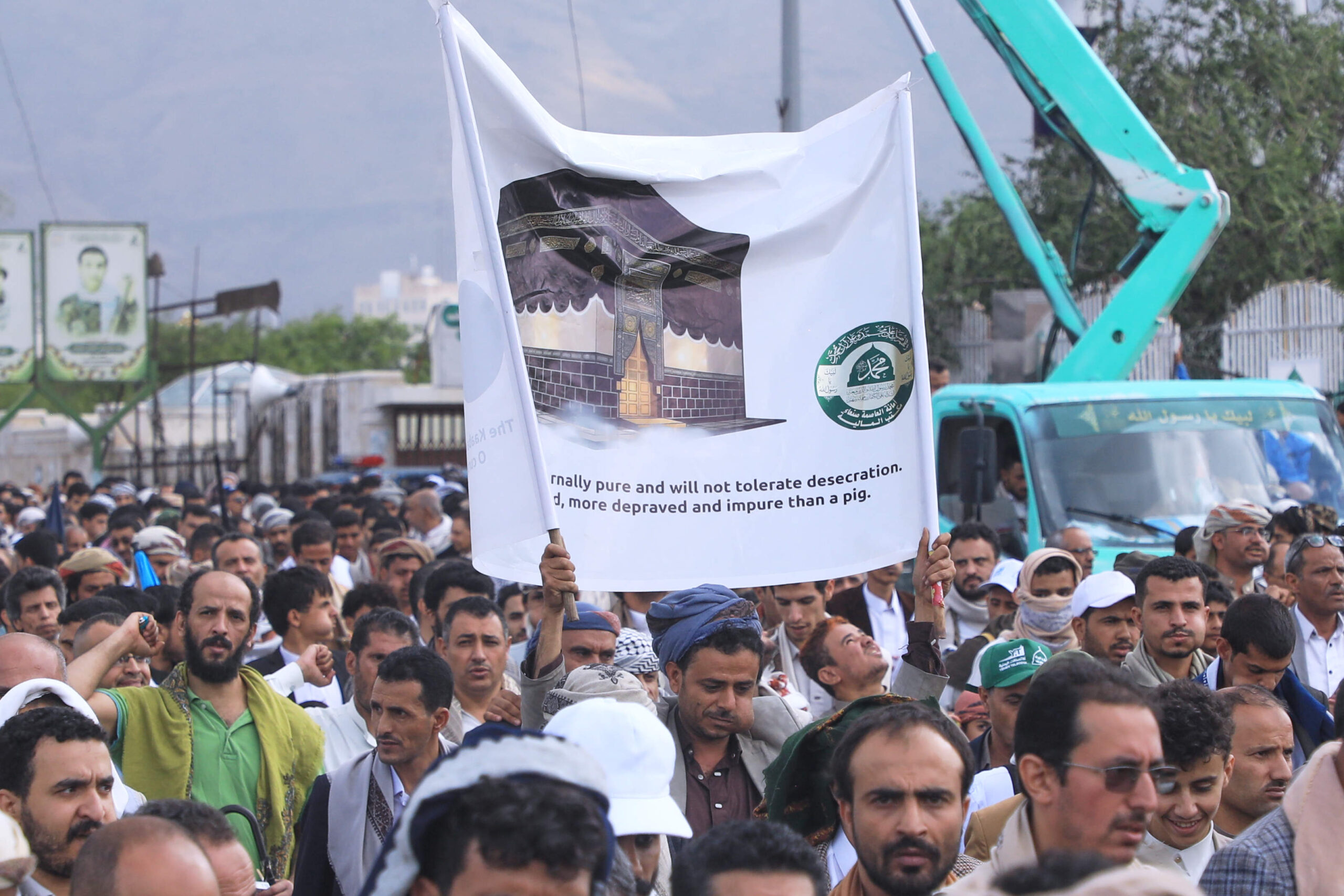
The lack of clarity regarding the political project also concerns the territory claimed by the Houthis. The areas populated by Zaydis or all of unified Yemen as of 1990? Would they eventually target territories conquered in 1934 by Saudi Arabia, or even Mecca and Medina?
7 — A Ferocious Proto-State
The ambiguity surrounding their goals did not prevent the Houthis from establishing, since September 2014, a proto-state. Although not recognized by the international community, the institutions they control preserve the illusion of continuity. This is notably the case for public media, universities, or the Ministry of Foreign Affairs and, of course, the army.
This illusion is undermined by financial difficulties and the non-payment of civil servants’ salaries. Nevertheless, one must acknowledge that, in terms of public services, security, and currency stability, they do not perform worse than the regions where the internationally recognized government, backed by the Gulf monarchies, is in place. Even more, they have managed to develop substantial military-industrial capabilities.
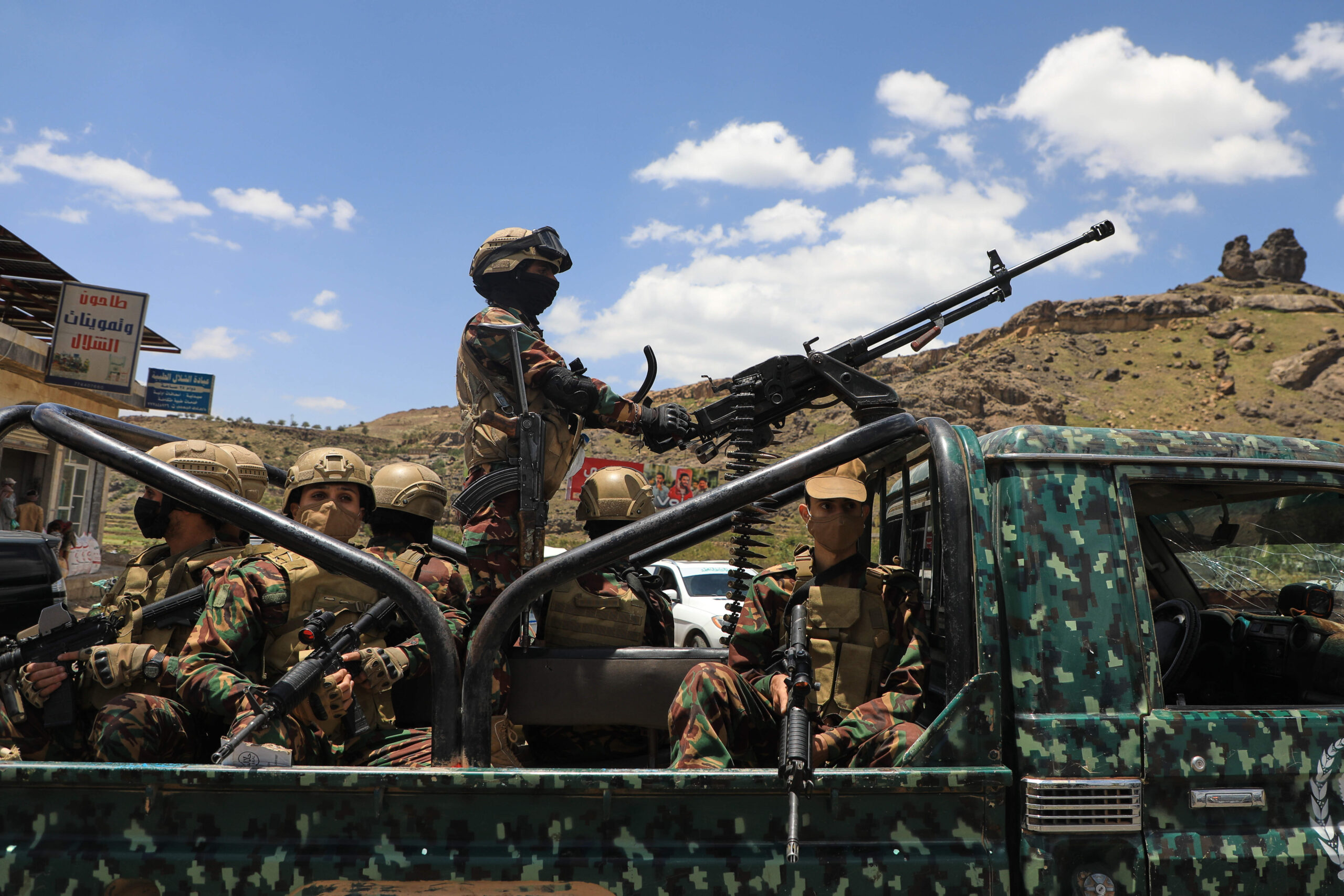
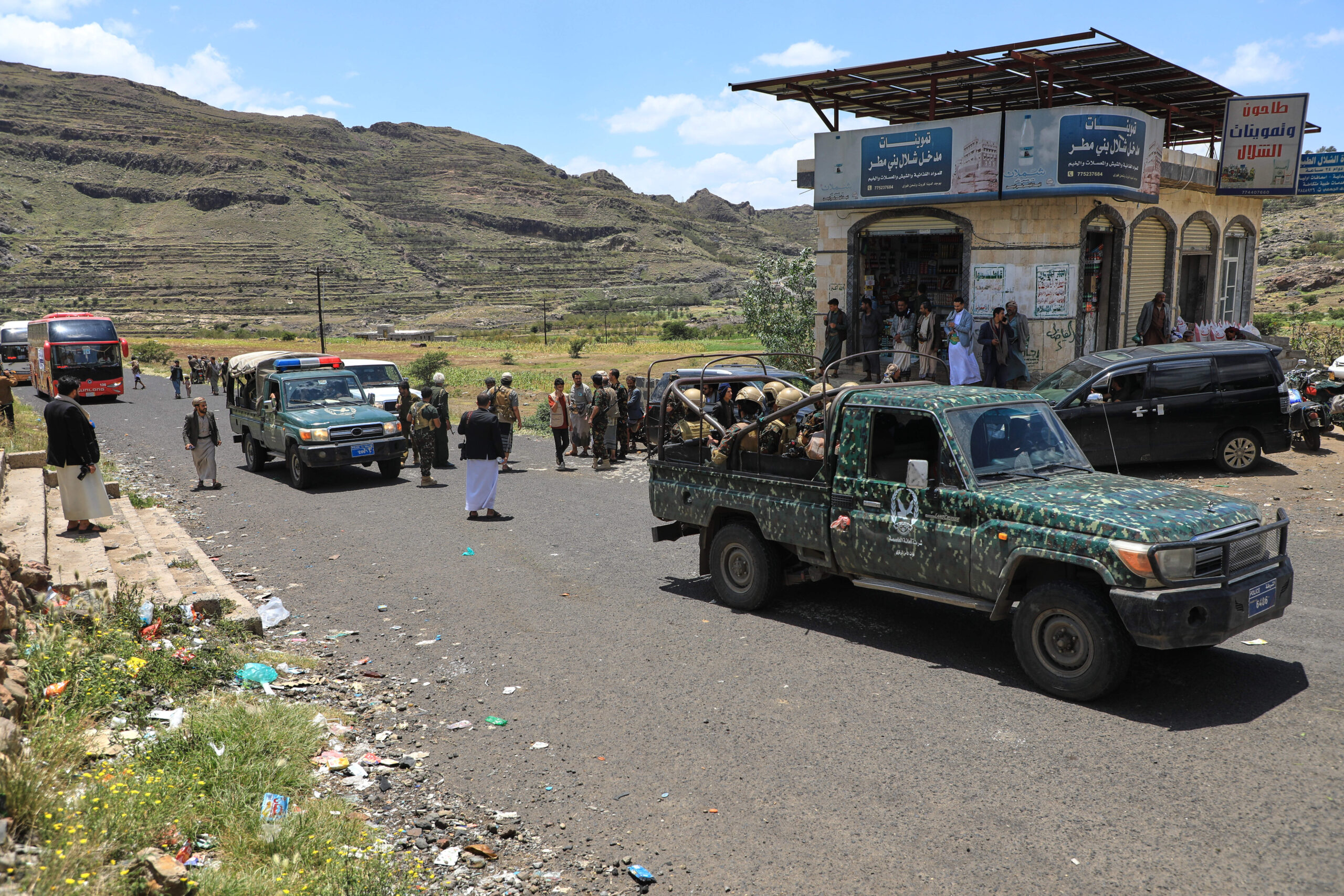
This semblance of efficiency comes at the price of an authoritarian, even ferocious, power that violates human rights and particularly targets women. The high level of corruption that siphons off international aid on which three-quarters of Yemenis depend provides resources to the ruling power.
8 — An Alliance with Iran
The perception of the Houthi movement is sometimes reduced to its integration into Iran’s regional politics, of which it would be a puppet or a proxy. The links between the Yemeni movement and the Islamic Republic are not a mystery. They lie in the origins of the Houthi movement over twenty years ago. But one should not overestimate them. The flow of military know-how, the transfer of components to build drones or long-range missiles, as well as probable financing, make the Houthis an efficient relay, mobilized at low cost by Iranian leaders.
However, their regional frame of reference and strategy primarily reflect Yemen’s historical context. The movement’s leaders have always sought to justify their actions based on the local situation and to adjust the balance of power with their direct enemies. This is how one should understand their restraint over the Bab el-Mandeb strait during the initial months of the US-Israeli war triggered in February 2026. They did not wish to appear to their supporters as acting in Iran’s interests.
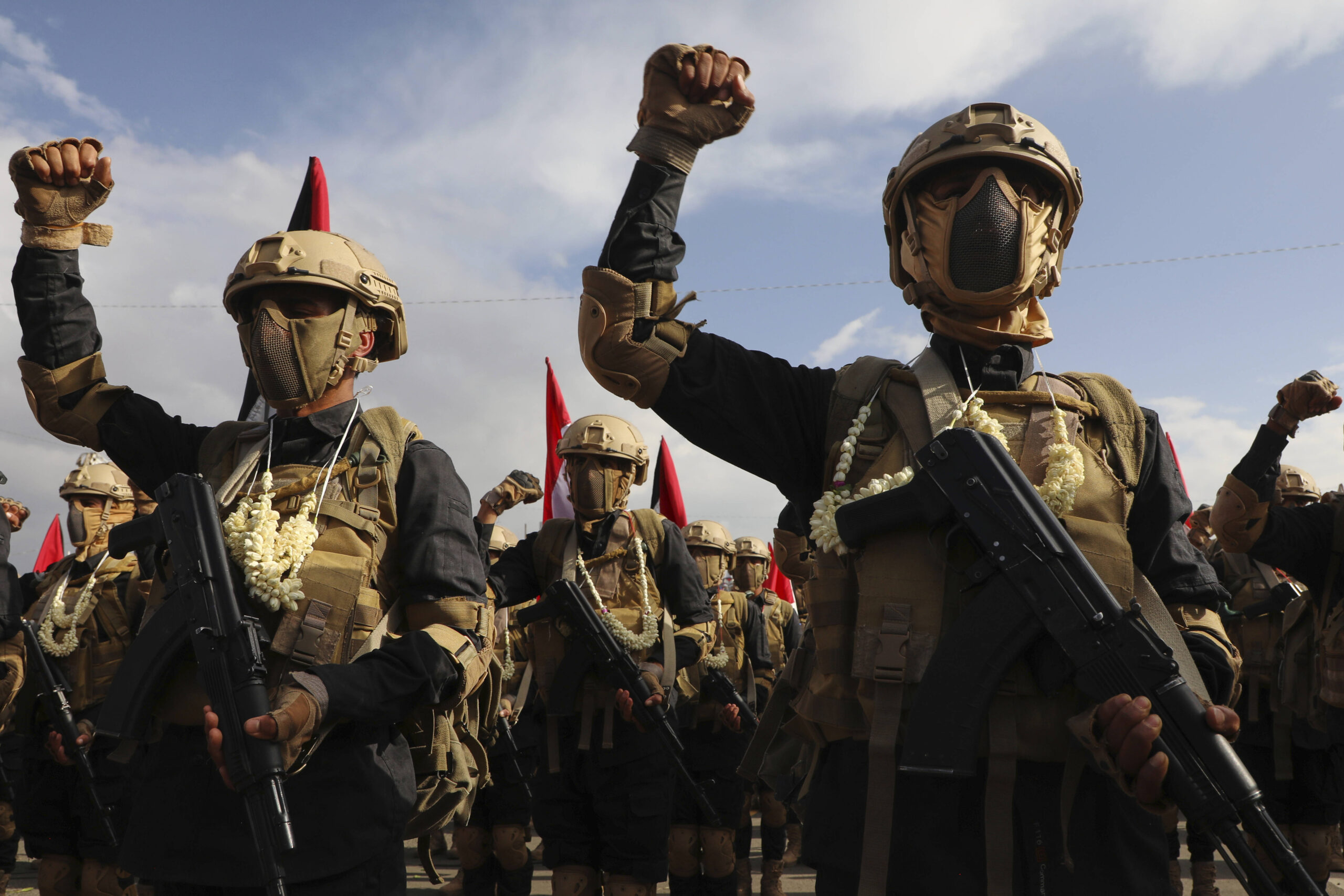
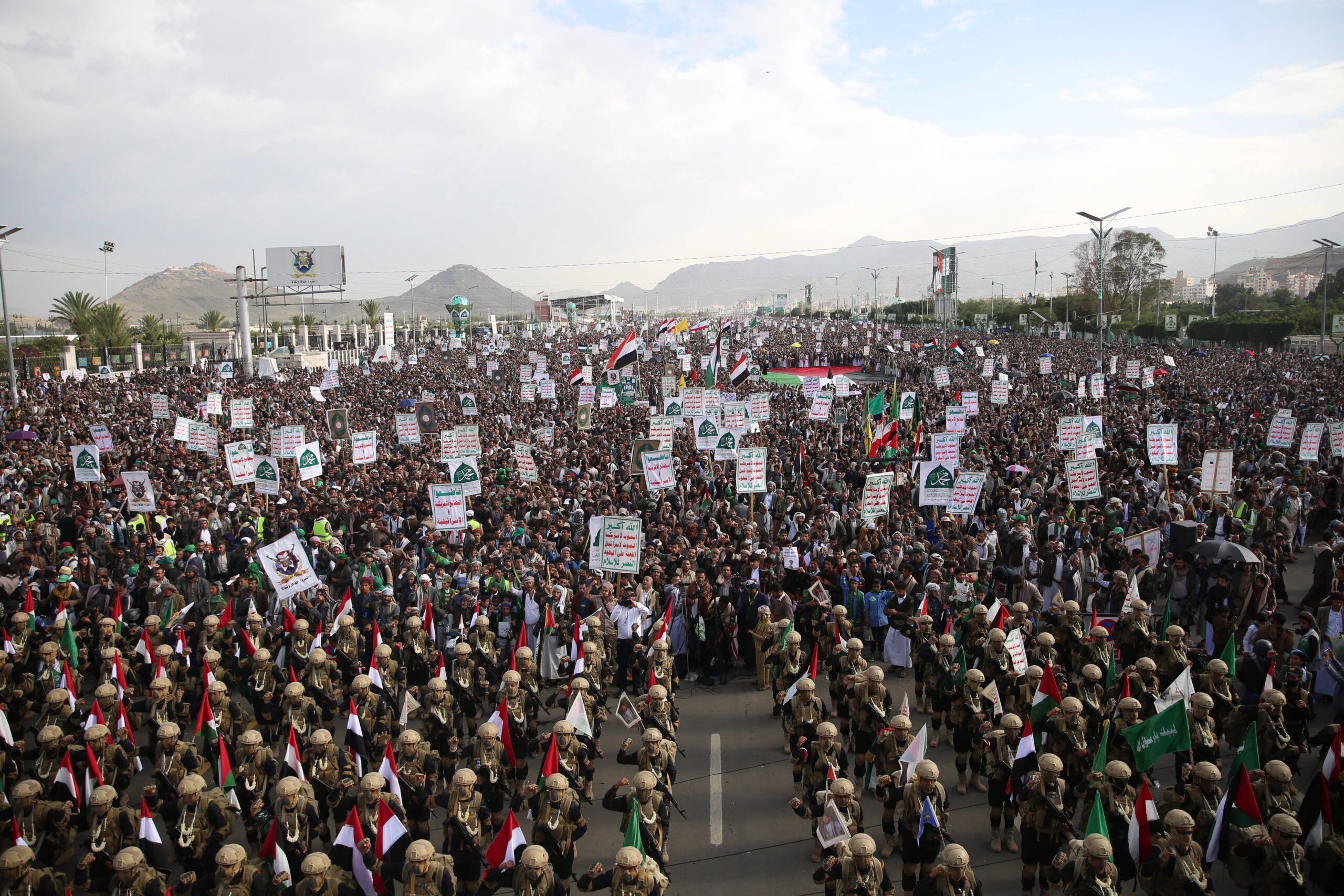
9 — A Double Engagement: Palestine and Saudi Arabia
The local grounding and the link with Iran’s regional policy guide a constant engagement against Saudi Arabia and Israel, or more precisely in support of the Palestinians. Saudi Arabia’s offensive against the Houthis, which began in 2015, progressively gave rise to significant retaliatory moves as the Houthis’ projection capabilities grew. Drones and then long-range missiles placed Saudi cities and infrastructure within range from 2019. This state of affairs favored a strategy of withdrawal and negotiation with the Houthis by Saudi leaders, which led to the ceasefire of March 2022, in effect in one form or another until August 2026. During this period when the conflict seemed frozen, the Houthis continually raised the stakes, notably by demanding financial concessions that the Saudis could not accept. In the summer of 2026, after the Houthis had sought to force Saudi Arabia’s hand by allowing an aircraft from Tehran to land, the Saudis again bombed Sanaa’s airport. In retaliation, the Houthis announced a blockade of ships destined for Saudi Arabia. This decision then justified their offensive against the Bab el-Mandeb strait, marking the start of a new phase of the war, with attacks targeting Riyadh’s airport and Saudi pipelines.
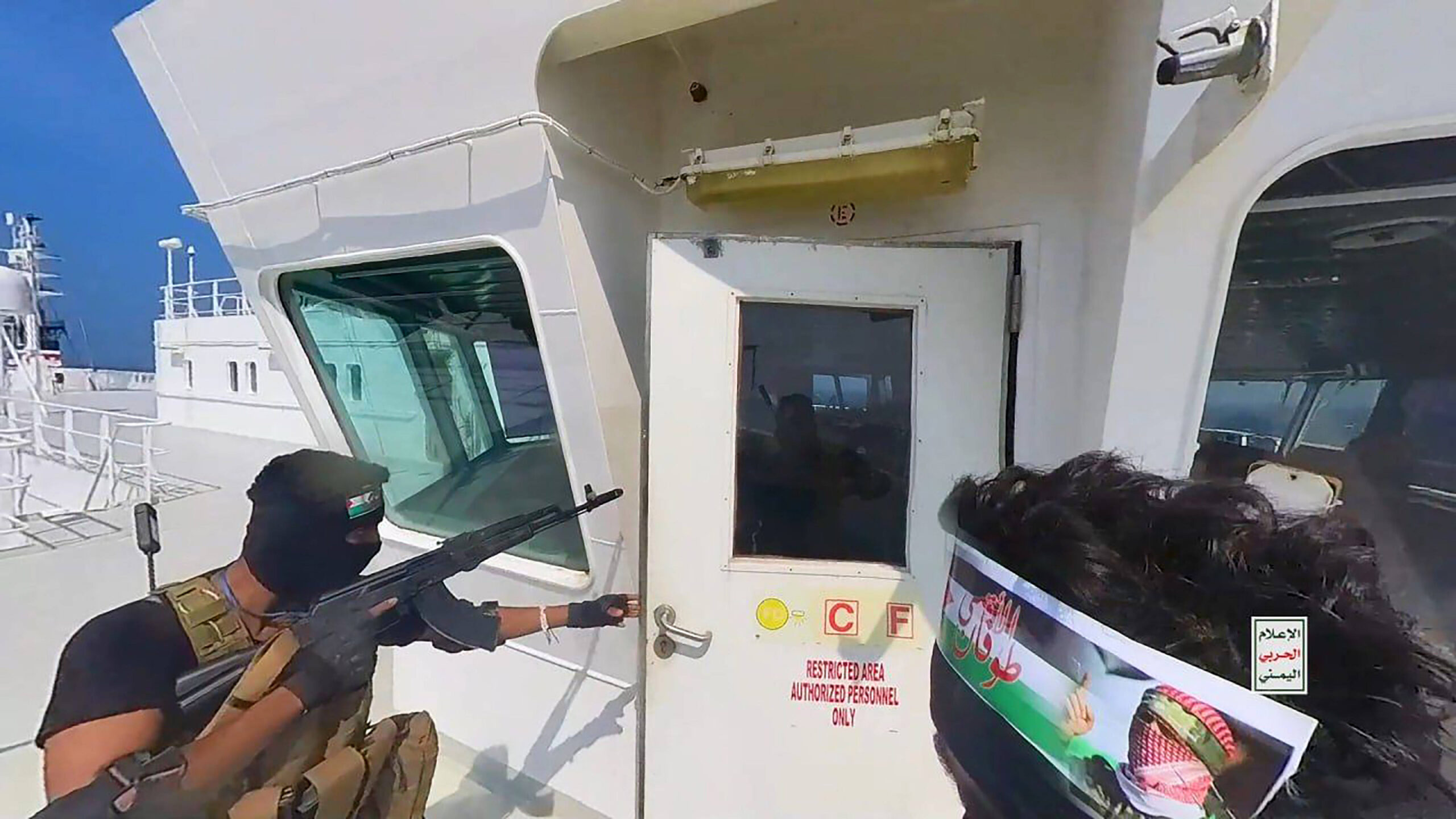
The Houthis’ engagement in support of Palestine is longstanding and has given rise to massive demonstrations that go far beyond mere instrumentalization of the Israeli-Arab conflict, since they serve their popularity. Following the October 7, 2023 attacks and Israeli bombardments on Gaza, the Houthis moved into a military arena that had long seemed out of reach for fighters coming from the mountains: the Red Sea. As early as November 2023, they announced targeting commercial ships connected, even indirectly, to Israel. This strategy disrupted global maritime trade but also provoked Israeli and American bombardments. In May 2025, Donald Trump ultimately signed an agreement with the Houthis, while the Israelis continued aerial raids in response to drones and missiles launched at Israel and attacks on ships along Yemeni coastlines. Although Israeli bombardments were significant, including the assassination of twelve ministers of the Houthi government in August 2025, the Yemeni movement never seemed truly weakened.

10 — Fragmented Enemies
The Houthis’ military capacity and their political base are inversely correlated with the division among their opponents. At the local and regional levels, the anti-Houthi camp has never managed to form a united front against Ansar Allah’s advances.
From the Sa’dah wars in the mid-2000s, the campaign against the Houthis had been instrumentalized by Saleh’s putative successors to weaken one another. From 2015 onward, tensions between the Muslim Brothers and southern secessionists, between Saudi Arabia and the United Arab Emirates, or between militias from the east and the south greatly undermined the anti-Houthi military capabilities. It is this fragmentation itself, far more than Iranian support, that explains the Bab el-Mandeb success in September 2026 and their ability to hold, for twelve years, the regions they control.