
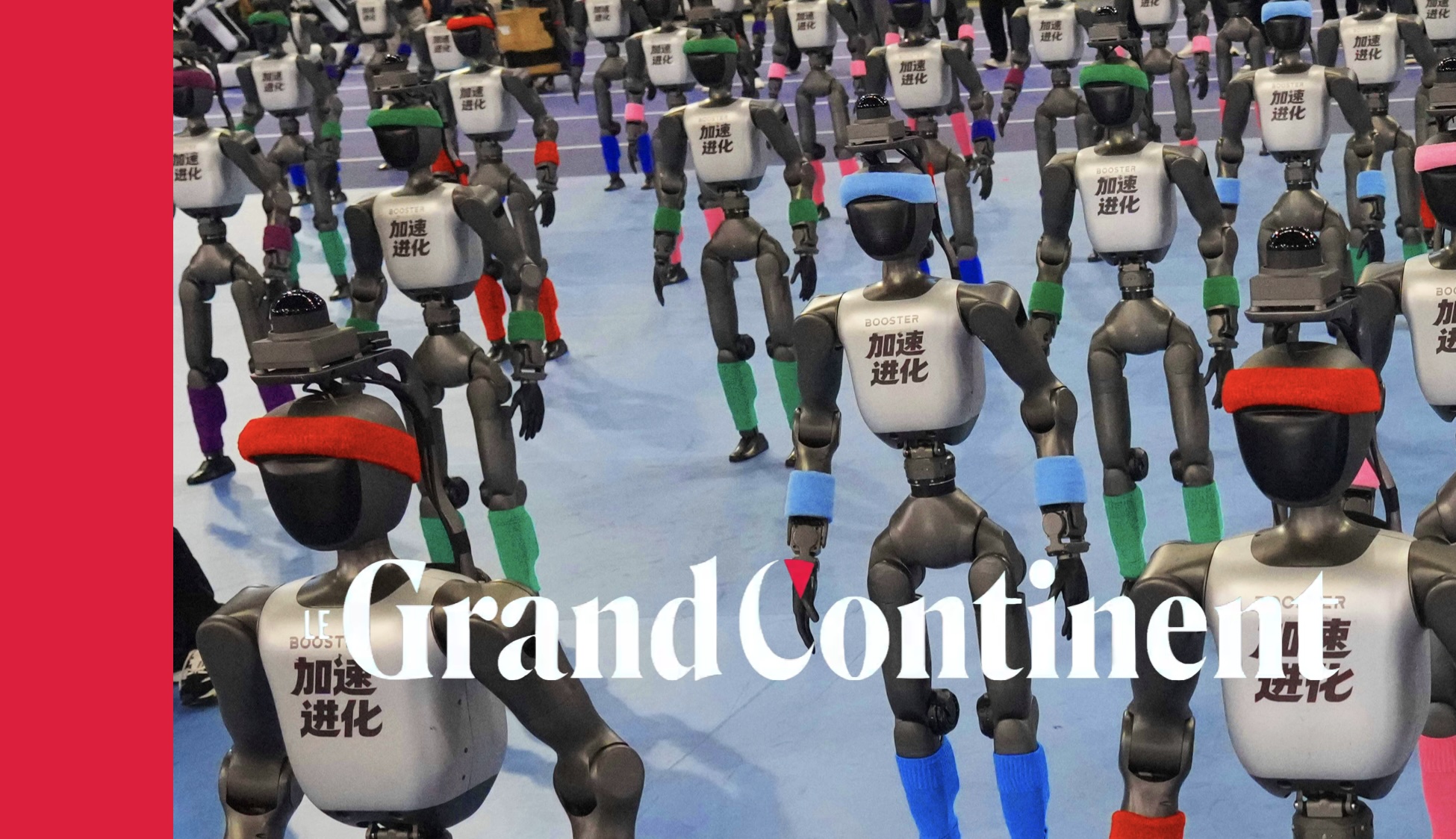
China is organizing the second edition of the World Humanoid Robot Games from August 22 to 26, 2026. With 600 teams, more than 2,000 robots, and 51 events in total spanning 16 countries and regions, Beijing aims once again to display its techno-optimist bet, which tightly links AI and robotics, as evidenced by the broad media coverage of the competition by state media.
For this second edition, Beijing underscores that most track events can now be completed autonomously, without human teleoperation.
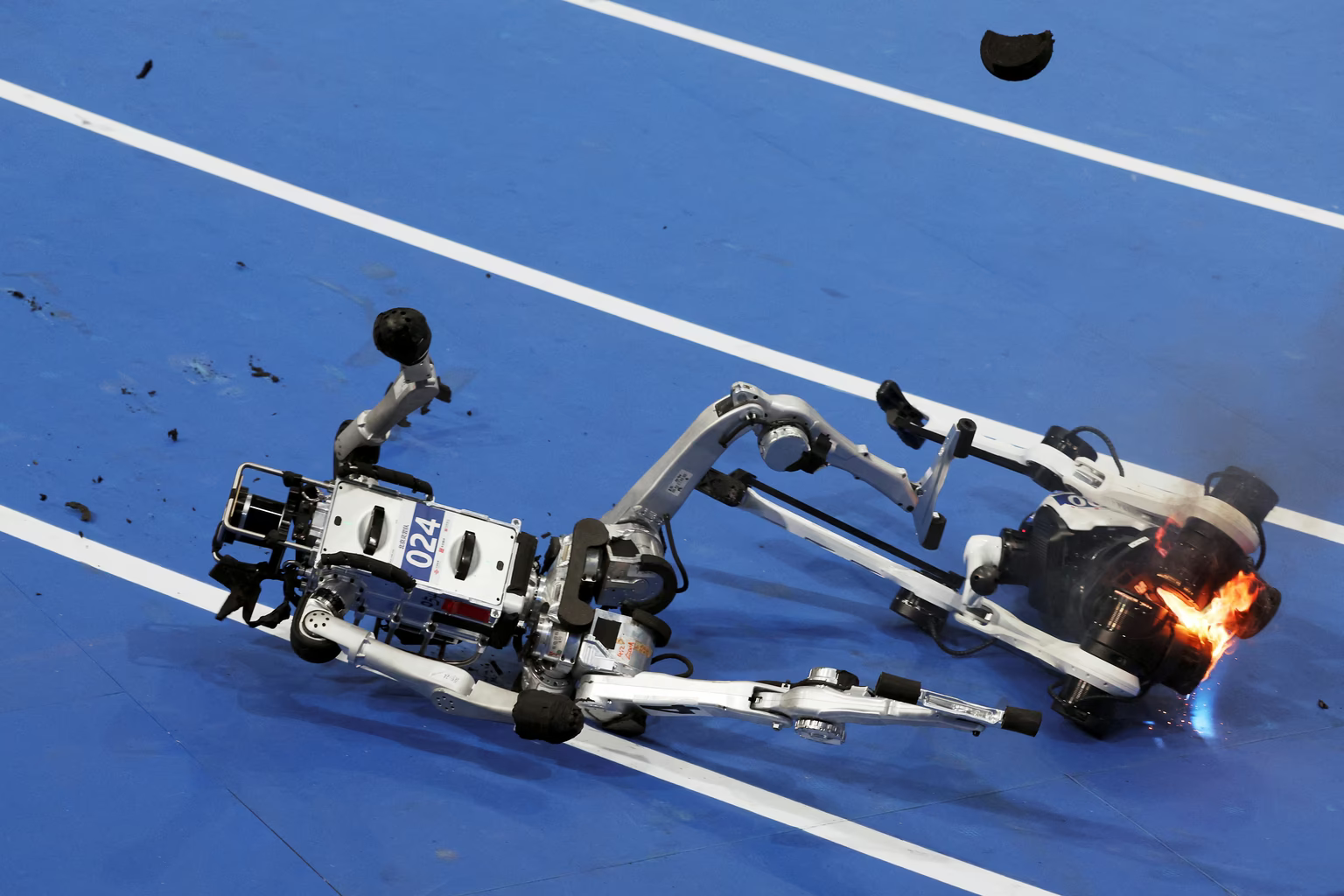
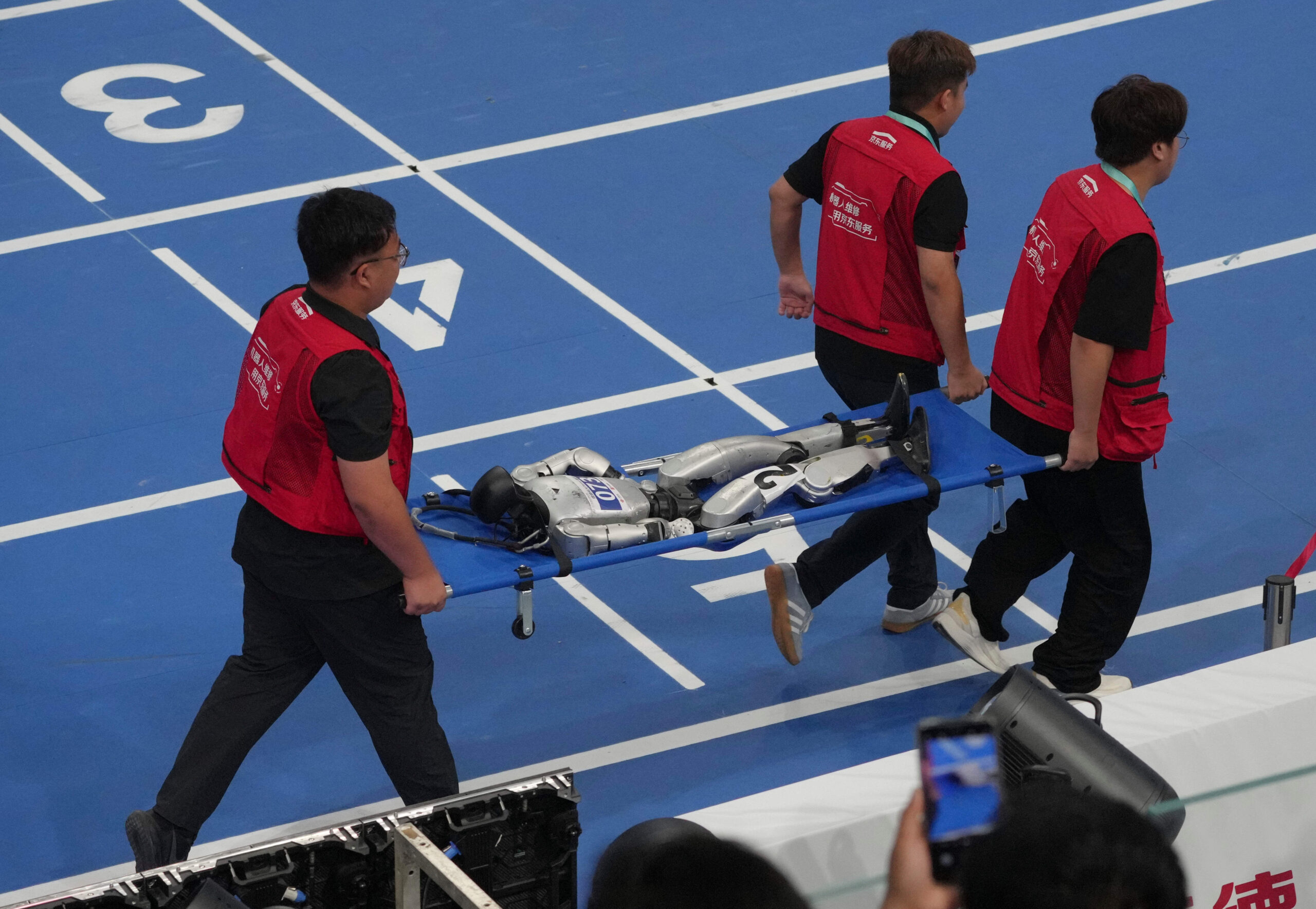

It is in this frame that it was highlighted that two robots beat Usain Bolt’s 100 m record, set at 9.58 seconds, on August 22: Tiangong Ultra achieved 9.39 seconds and Lightning 9.47 seconds, compared with 21.50 seconds last year.
The humanoid-robot market is today largely dominated by Beijing: 87% of all units delivered worldwide in 2025 were manufactured in China.
Chinese companies Agibot and Unitree alone account for two-thirds of the global market (over 9,000 robots delivered), while American companies represent only 13% of production. Barclays investment bank even estimates that China could deploy 24 million humanoid robots by 2035, five times more than the rest of the world (4.4 million). China is also expected to face a shortfall of 37 million workers by 2035, about 60% of which would be offset by humanoid robots.
This event thus sits within a precise doctrinal sequence. The slogan of “new high-quality productive forces,” launched by Xi Jinping in September 2023, and the inclusion of “embodied intelligence” in the government work report in March 2025, passing through the MIIT plan (2023) targeting mass production of humanoids.
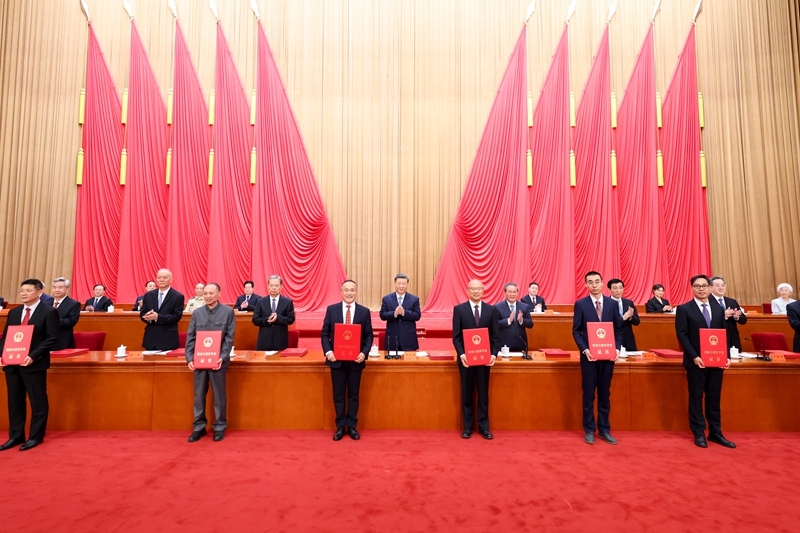
If the World Humanoid Games are an instrument of industrial policy that has taken the form of a sporting event, both to structure a techno-optimist imagination and to gauge internal competition within the country (around 150 companies vie for a market where buyer satisfaction remains low, in a price war reminiscent of earlier situations in the solar energy and electric vehicle sectors), the market for humanoid robots, unlike that of industrial robots, is nonetheless in its early days, and real demand remains uncertain.
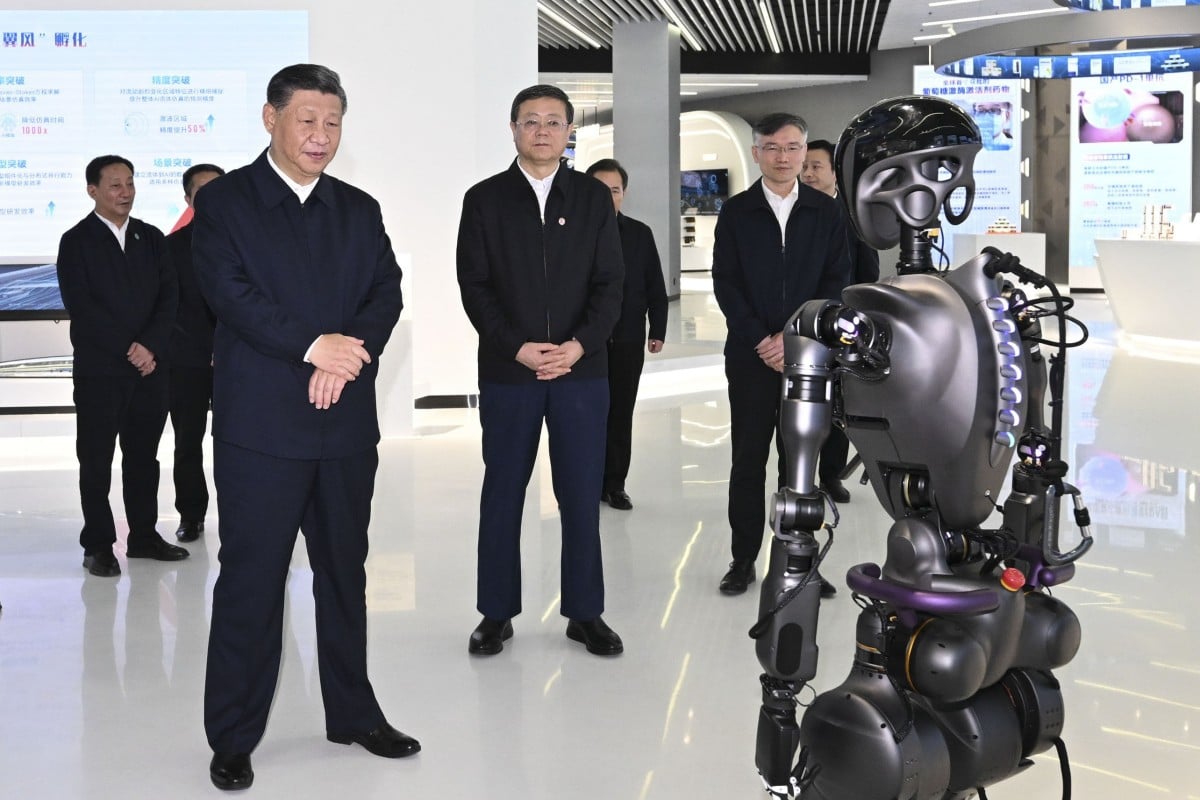
In China, the government is the main buyer of these robots, which are used notably as decorations at official receptions, and fit into a history that sees robotics as the construction of sovereign ornaments, ranging from the duck crafted by Vaucanson between 1733 and 1734 to automata that Jesuits and European merchants offered to the emperors of the Qing dynasty.
From a historical perspective, the anthropomorphic robot first served as a royal court object and a means of displaying power, before becoming a production tool. The China of 2026 follows this evolution, in the opposite direction. In the few factories where these humanoids are employed to perform tasks, such as transporting cartons, their efficiency does not exceed 40% of that of a human.

59% of the events are inspired by human sports, the rest come from the world of work.
Recharging an electric car, serving a table at a restaurant, etc. The workplace tasks, meanwhile, outline the jobs that Beijing might consider prioritizing for automation. Tasks such as assembly with power tools, masonry, stacking blocks, hammering nails, unscrewing caps and lids, unpacking boxes, and connecting cables appear across retail, food service, factories, warehouses, and hotels.
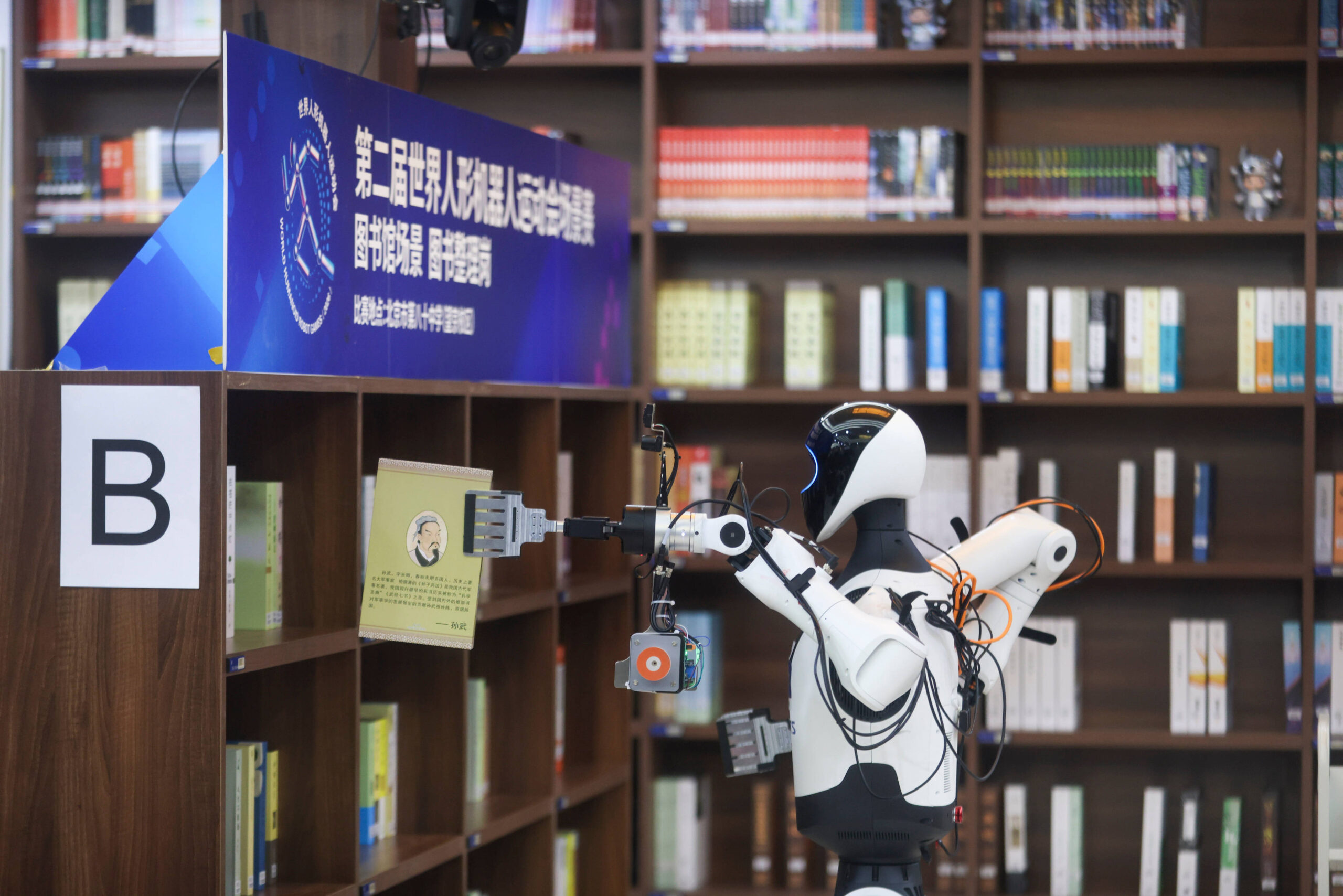
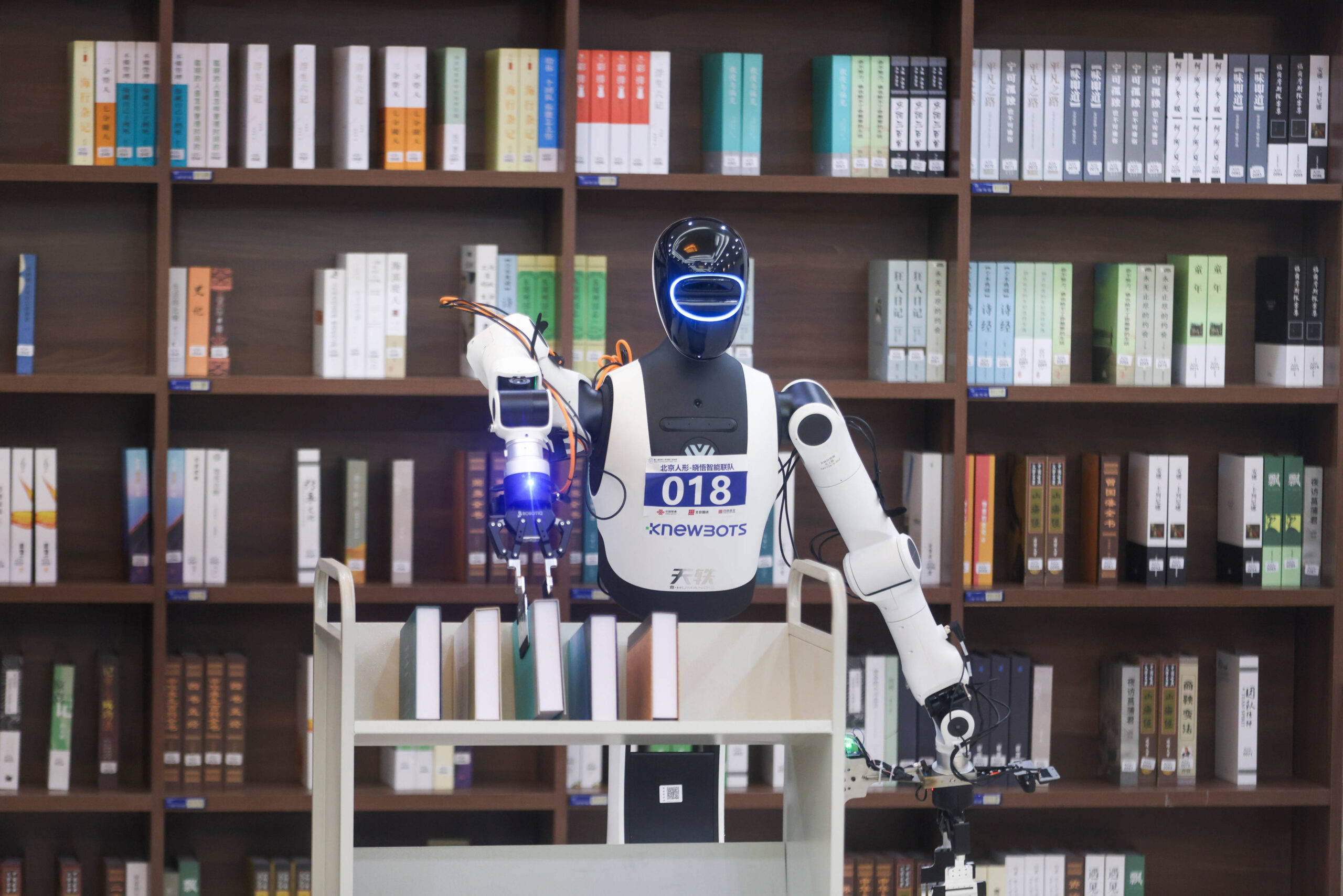
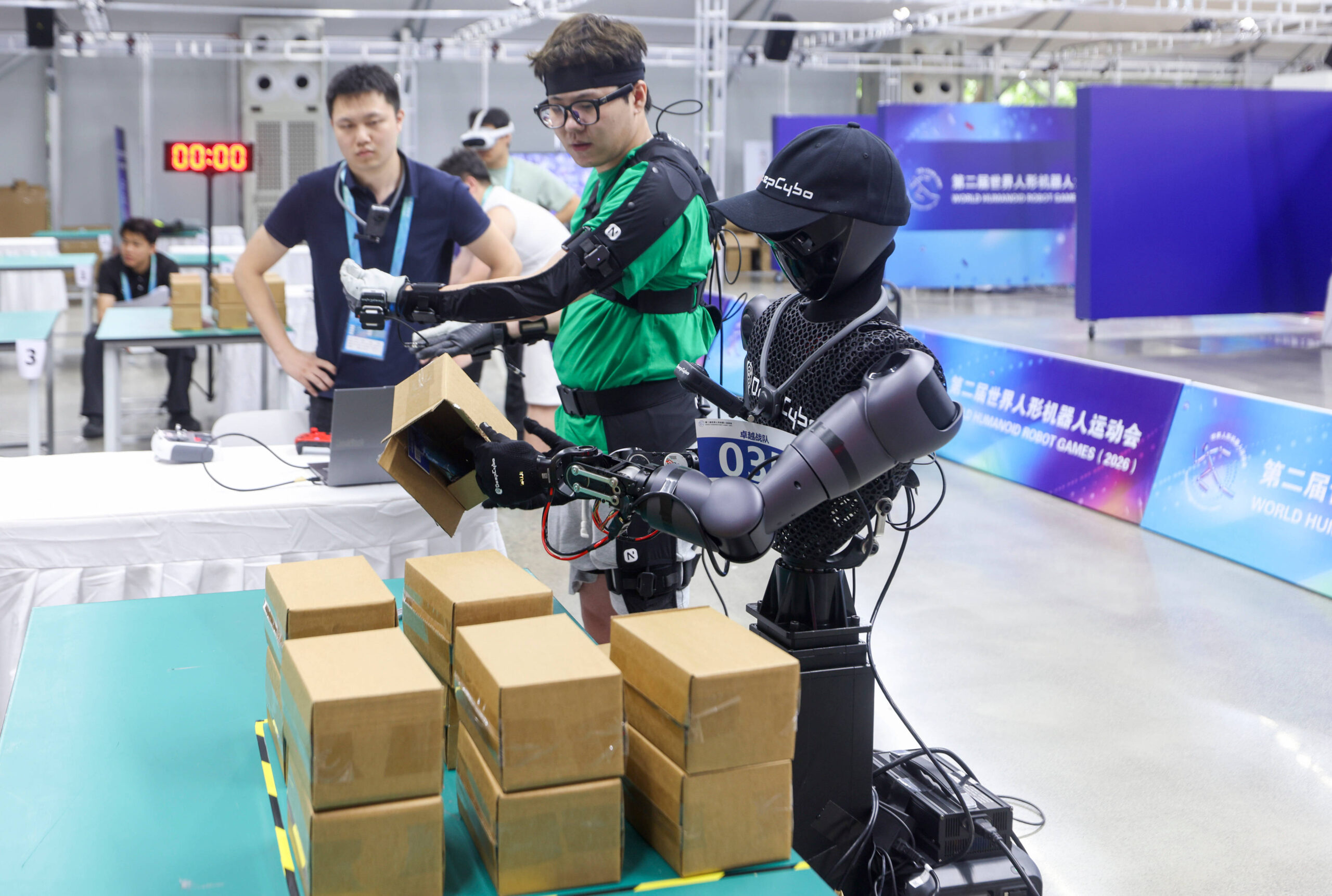
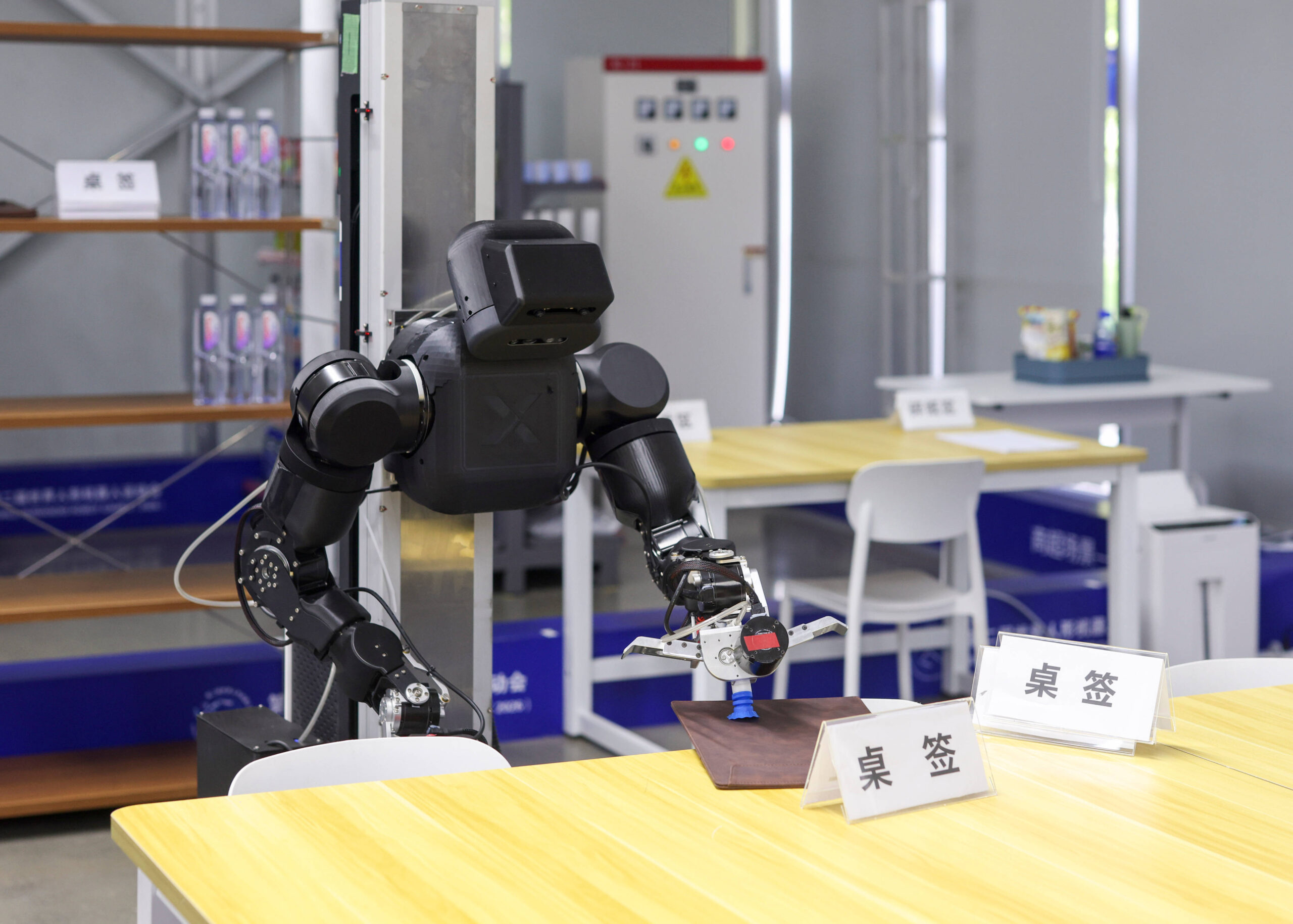
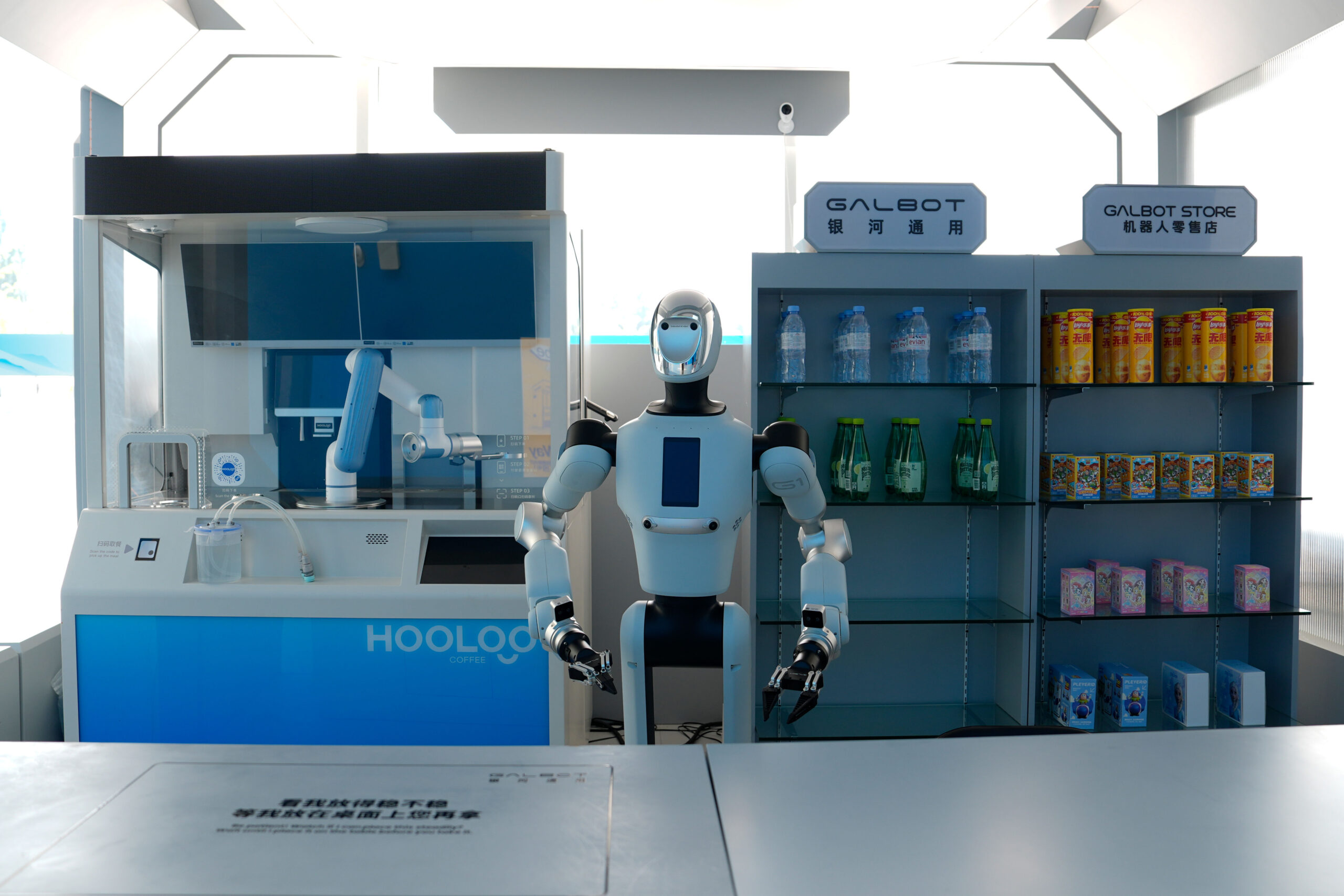
Here, the scoring rubric is revealing, as points are awarded based on autonomy, and any robot piloted by humans loses half of its points — the Kempelen chess player being penalized by the CCP.
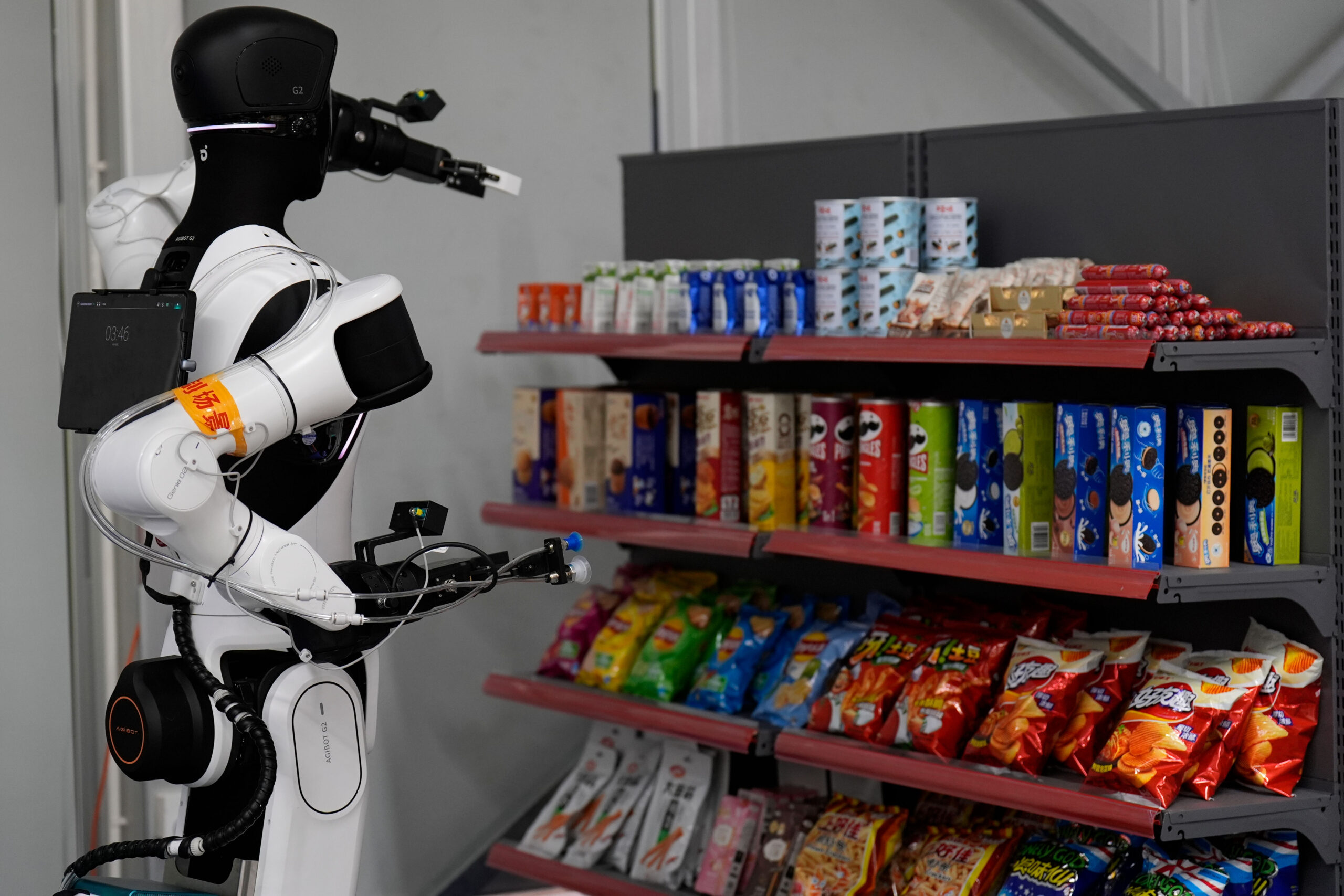
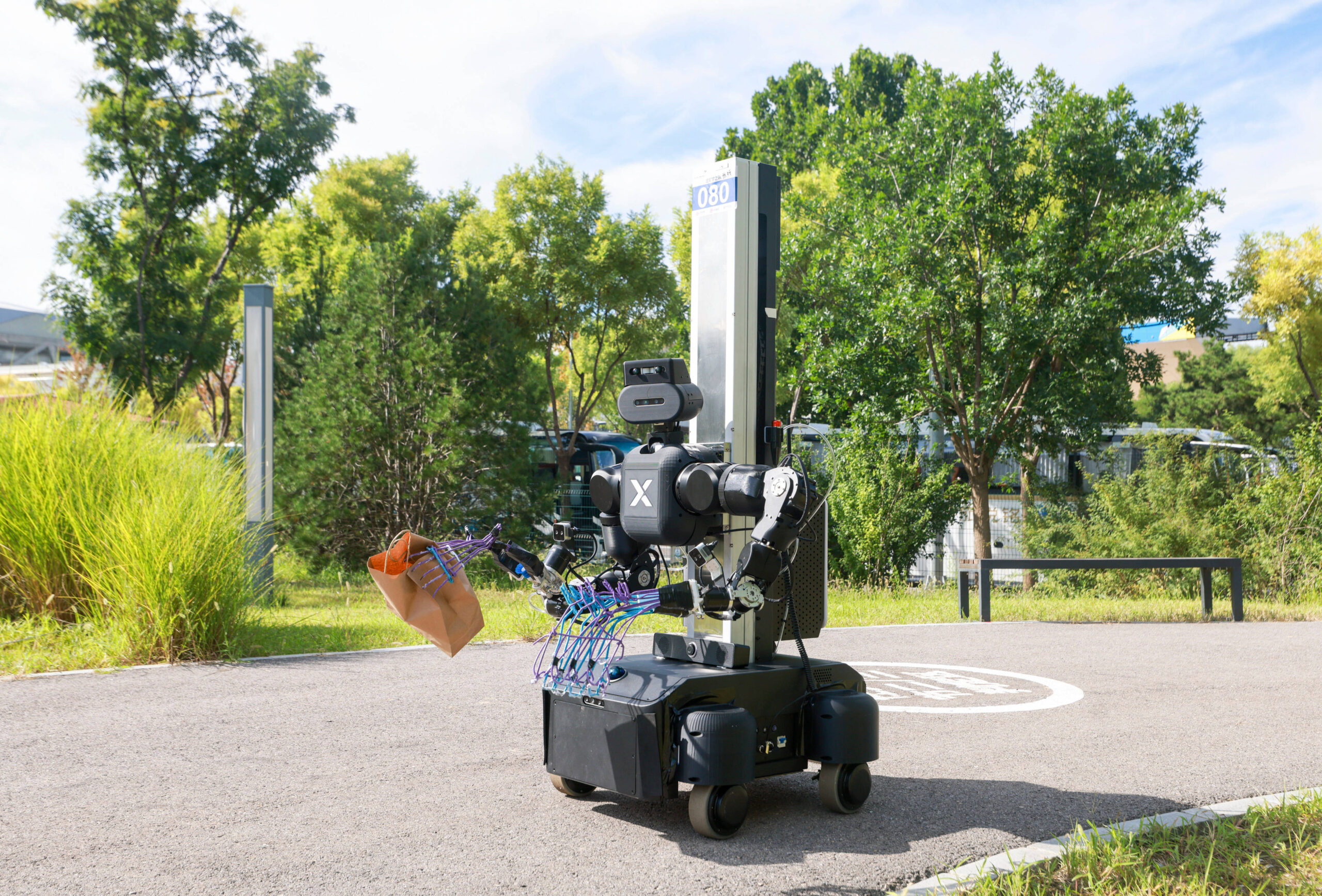

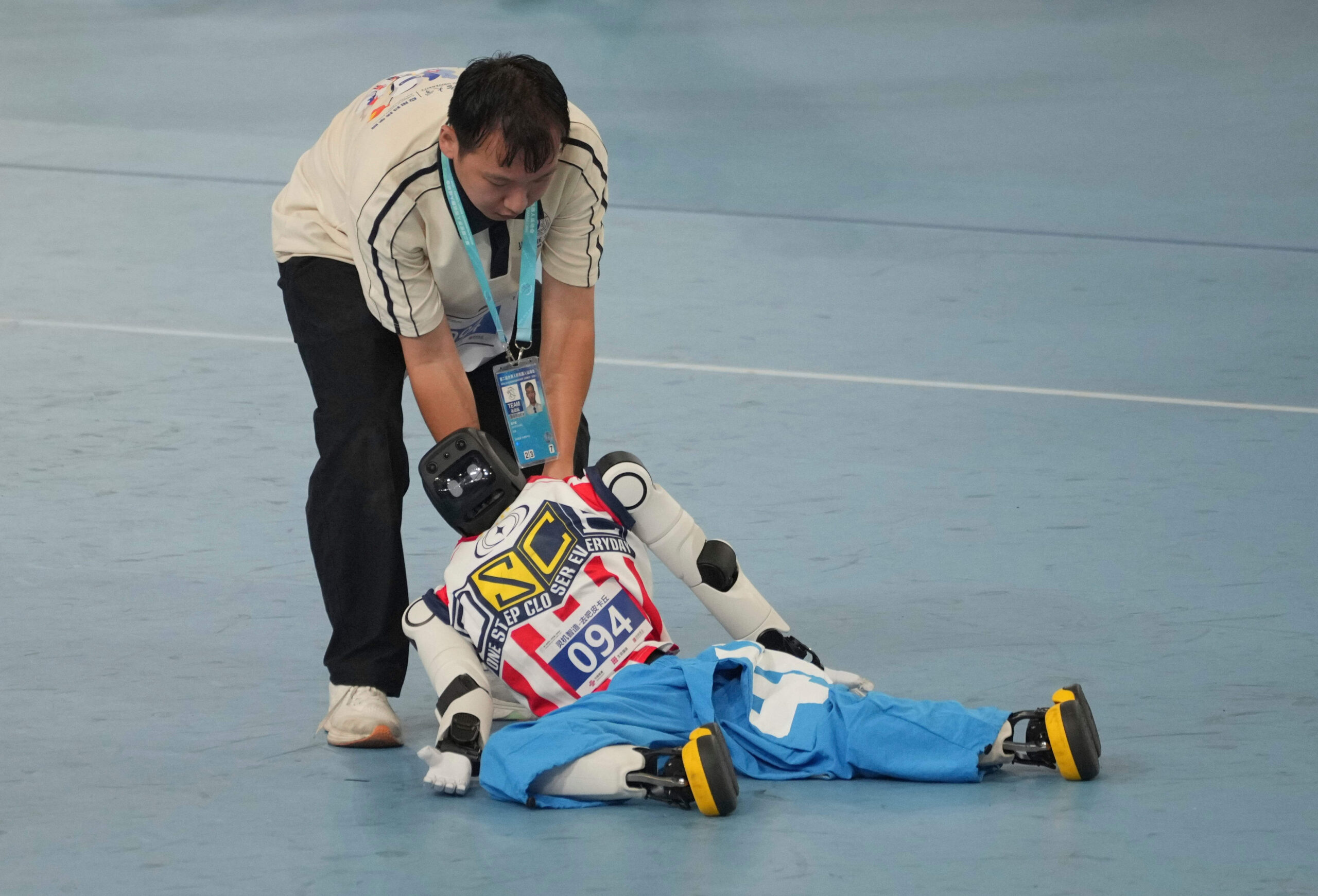
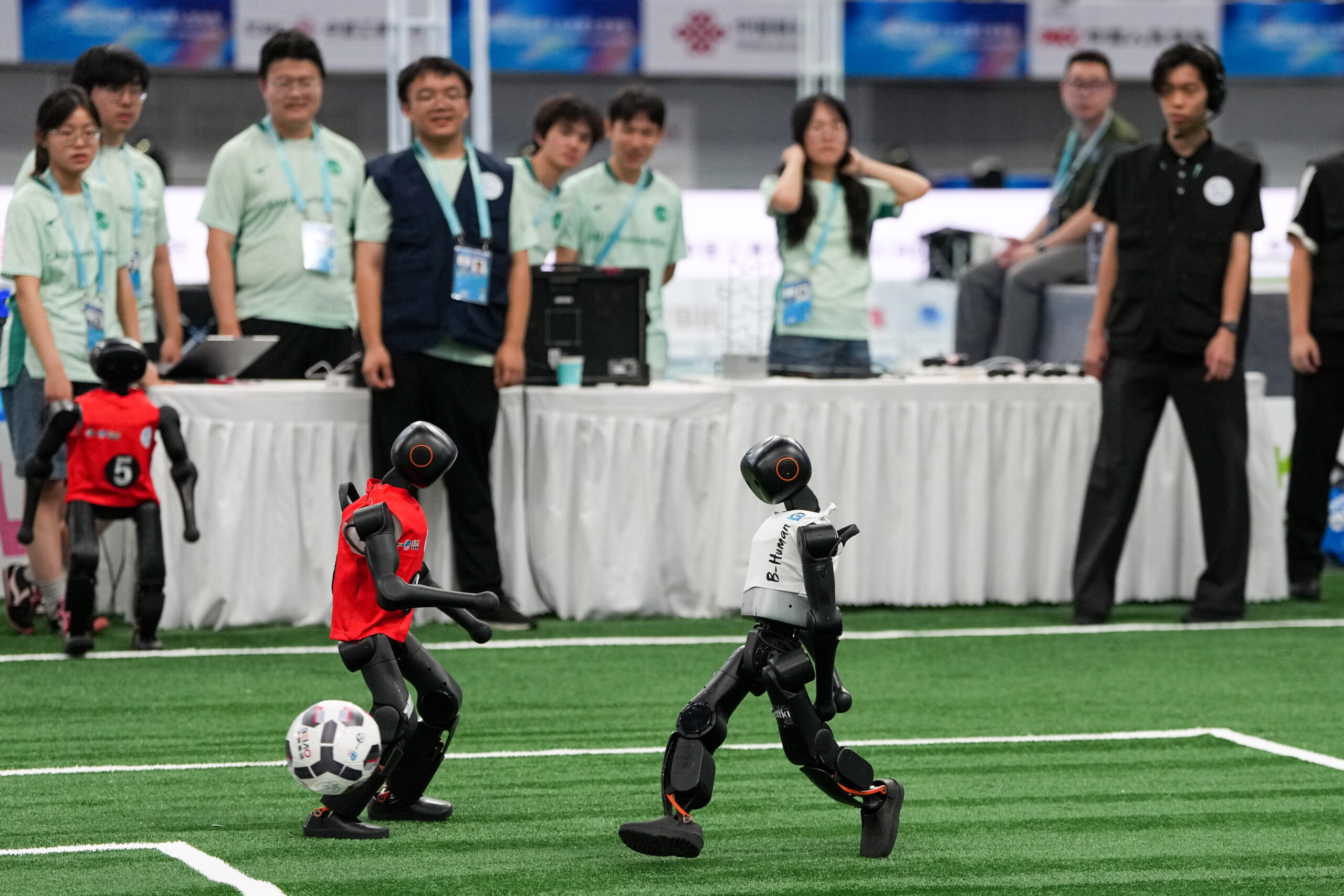
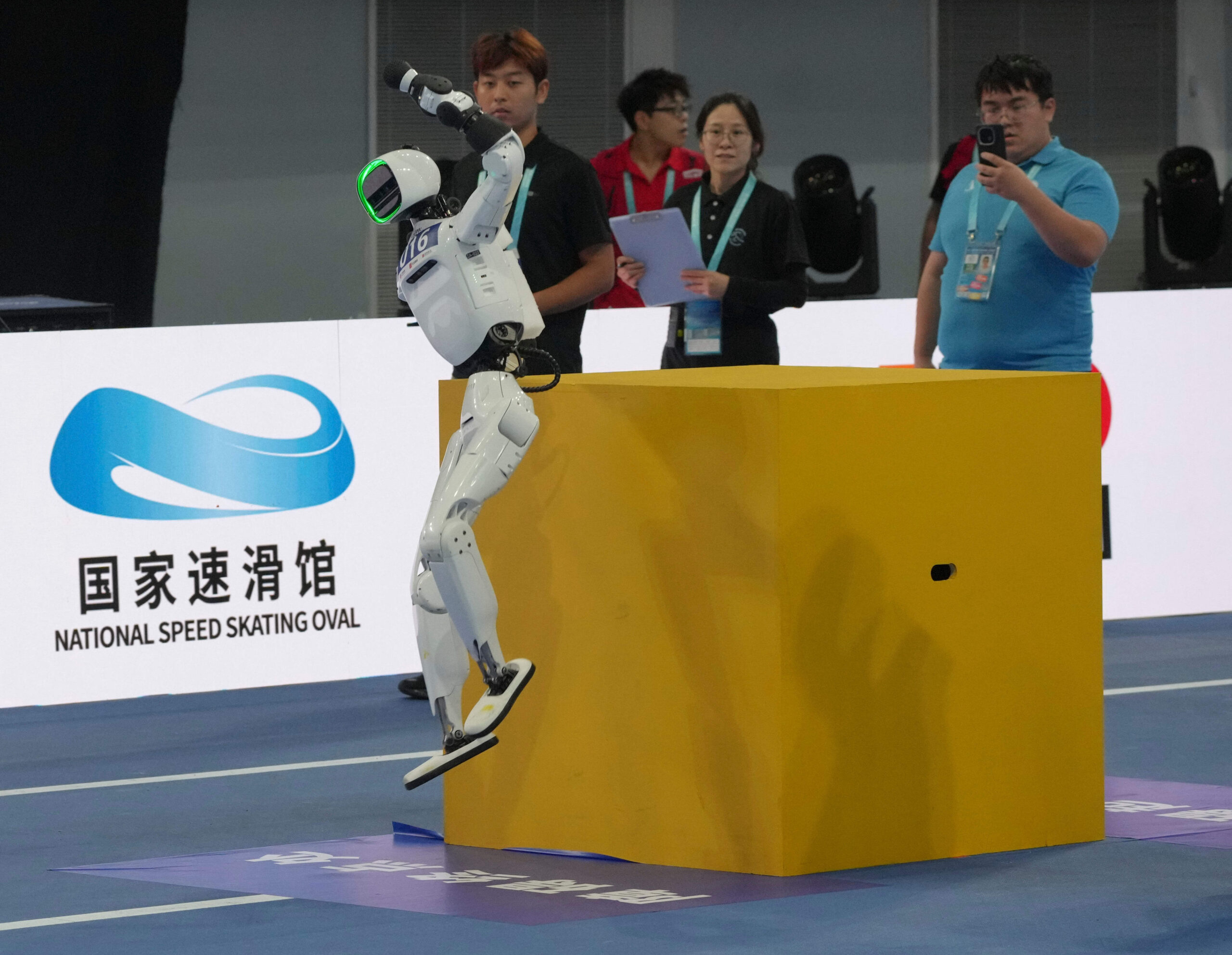
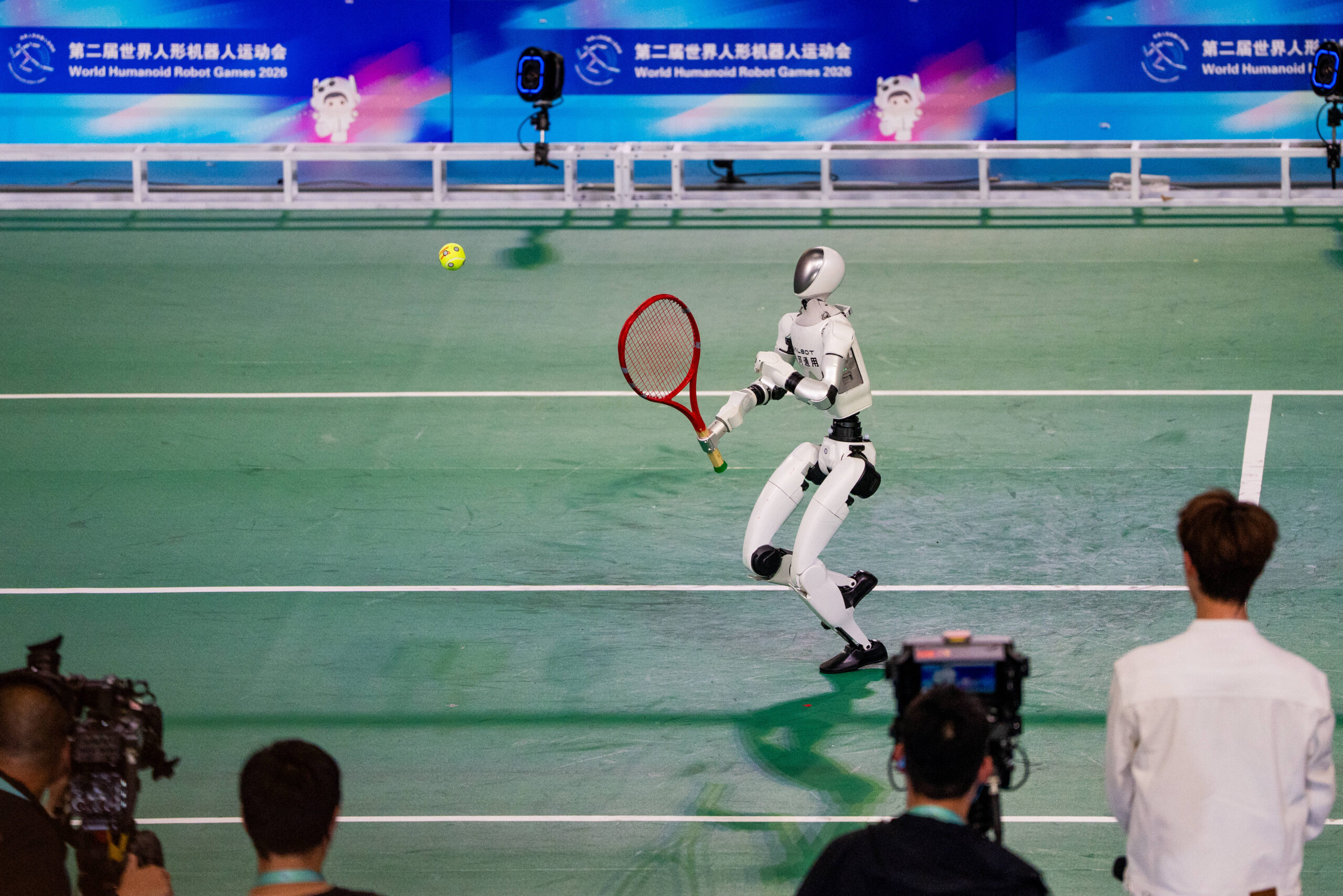
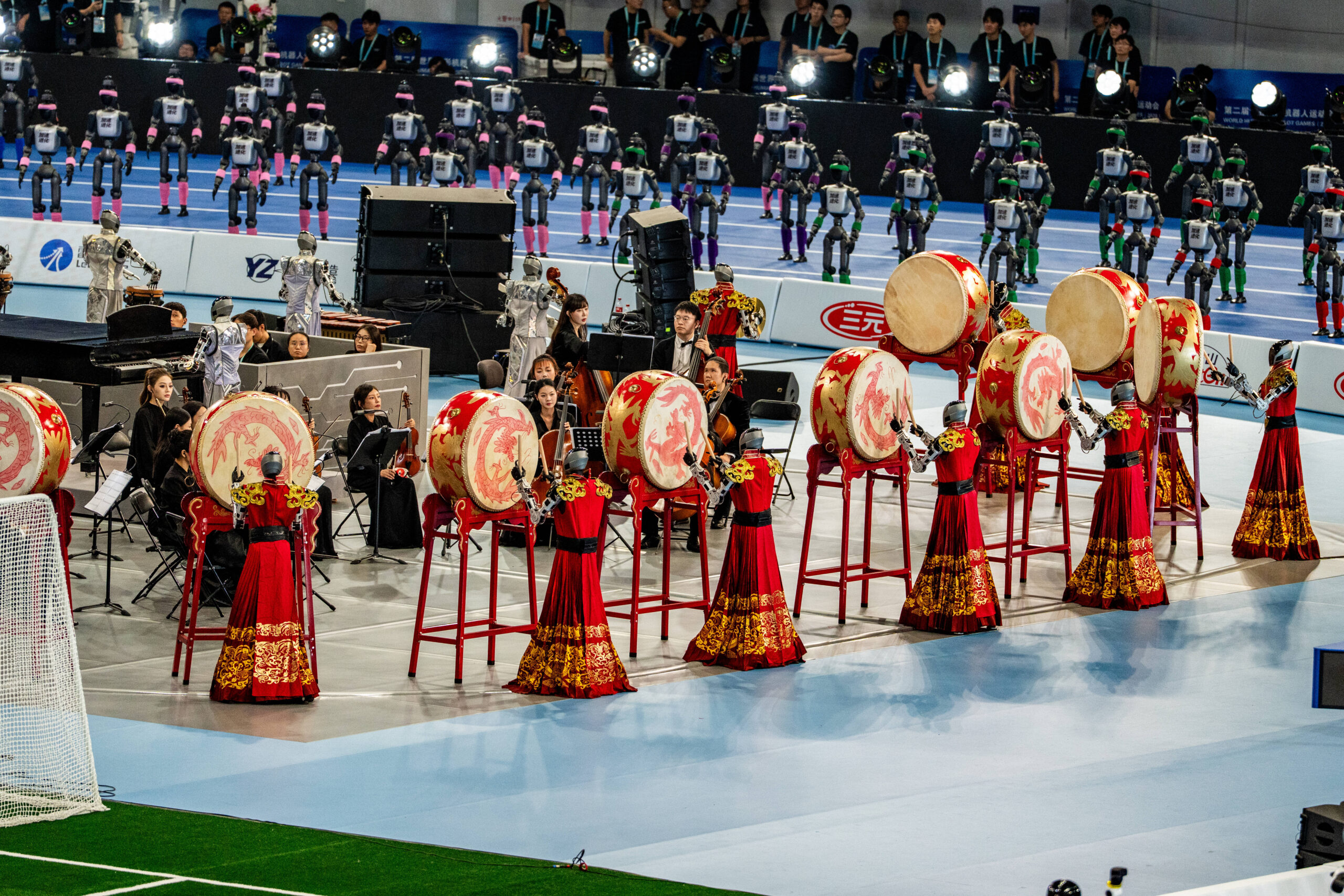
This program should be seen as the expression of Beijing’s ambitions, embedded in a framework that treats sport as a showcase of communist regimes (ranging from the Soviet Spartakiads to the drums of the Opening Ceremony of the 2008 Beijing Olympics), and within the newer framework of a culture of comparison indicators specific to robotics and artificial intelligence.
If the sporting ranking becomes a tool of industrial measurement, benefiting from wide media coverage and relayed by state media, much like the medal table of the past, its content remains telling: the flat-track race is now taken for granted, while jumping, kick-boxing, and weightlifting can still involve human supervision. No robot is required to ascend stairs or traverse rough terrain. None are evaluated according to battery autonomy, energy consumption, or the ability to execute an instruction without supervision.
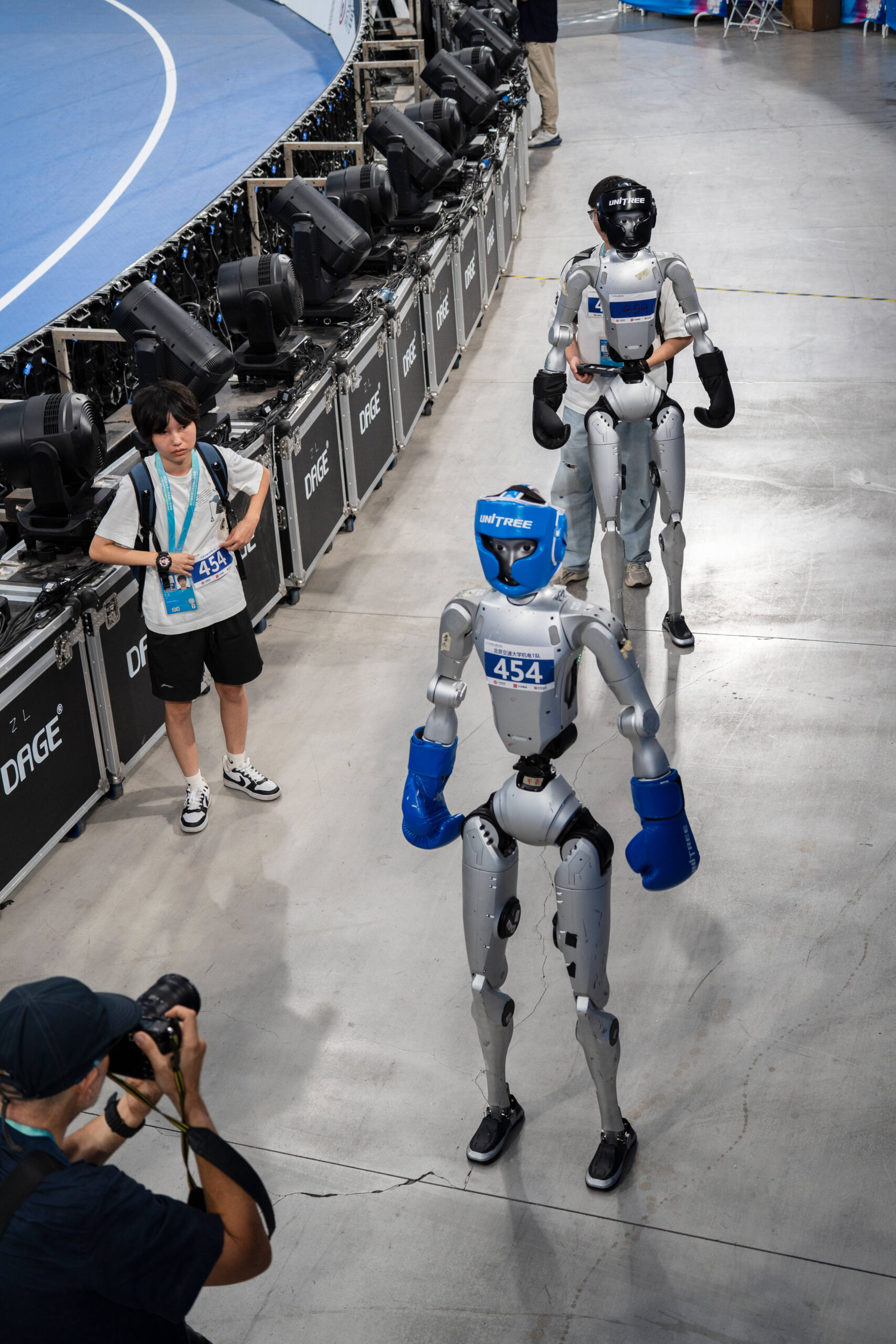
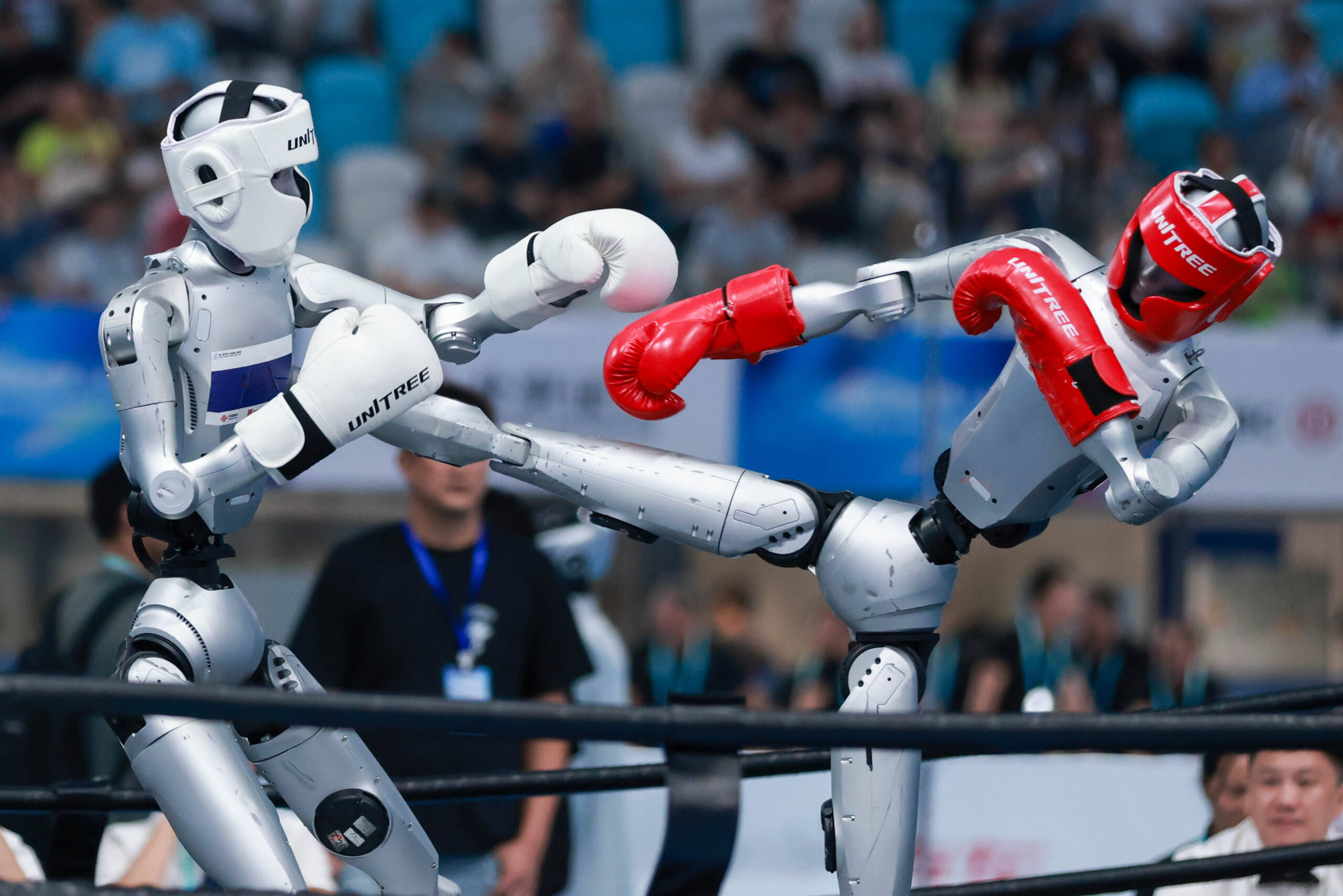
These images seem to illustrate the paradox articulated by robotics researcher Hans Moravec in 1988. What is difficult for humans (calculating, sprinting in a straight line) becomes increasingly easy for machines, while what is considered trivial for a child (opening a bottle, folding, grasping objects) remains a hurdle.
Despite the anthropomorphic projection and the enthusiasm sparked by the playful presentation of these Games, there remains a sense of unsettling eeriness.
Since the Olympic Games, sport has rested on the founding narrative of agōn, the competition among free individuals belonging to the same community as those who watch them.
Roman games rested on a fundamentally opposite principle. In the arena, the citizen witnessed fights of beings excluded from the community of equals: animals, slaves, convicts, and prisoners deprived of civil rights. The munus gladiatorium offered the city the spectacle of performances by those who were not citizens.
Do the Beijing Games reconnect with this dimension of a new robotic Colosseum? To borrow the words of writer Phil Klay, a critic of the Trump-era digital Colosseum, for a nation bent by the Chinese Communist Party toward the neutralization of politics through technical efficiency and engineered control of beings, there must instead be a population that revels in these technical and inhumane demonstrations.