

We are on summer break until mid-August. Here is a selection of some salient texts of the year. See you soon !
Trials
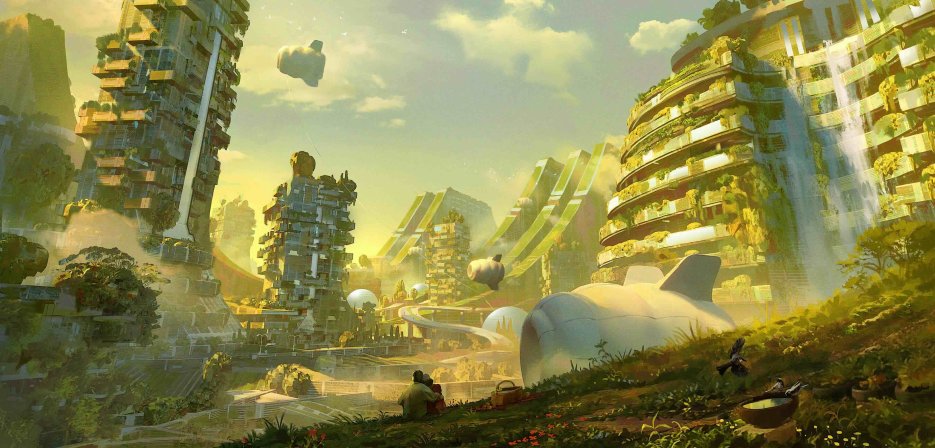
■ The Anthropocene in reverse
by Jean-Baptiste Vuillerod
What if there were an alternative to the catastrophic end of history and the unlimited progress of “ good Anthropocene » ? Jean-Baptiste Vuillerod suggests taking history in the opposite direction to overcome the contemporary ecological crisis by drawing inspiration from past or non-modern relationships with nature.
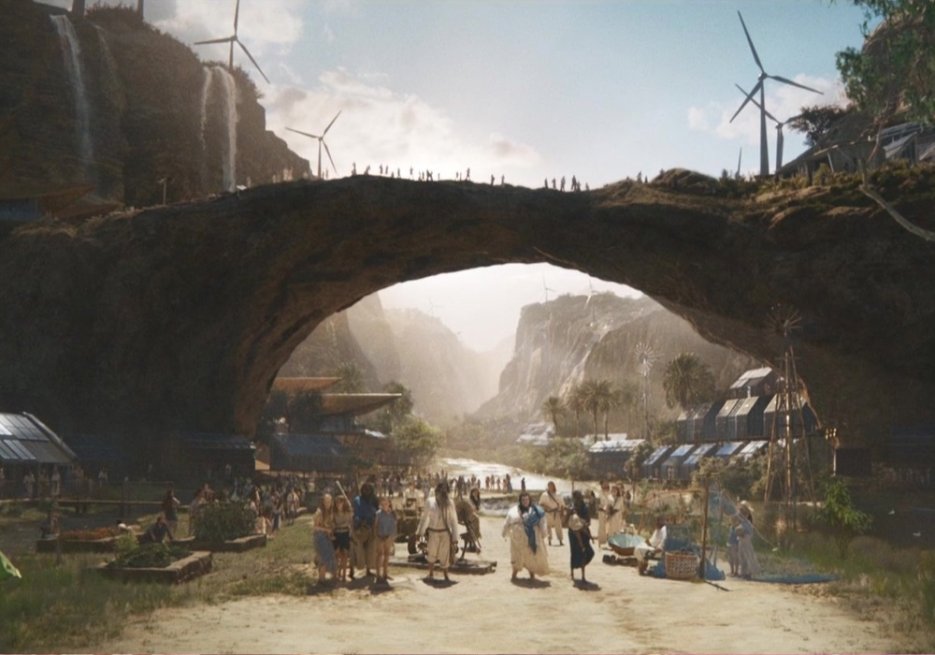
■ Post-growth: a consensus for decarbonization ?
by Guillaume Delafosse
Is the rejection of economic growth necessary to combat global warming? ? Guillaume Delafosse proposes a post-growth alternative to “ croissantism » and « degrowthism » around some examples of public policies.

■ The right to freshness
by Maël Ginsburger
“ All in the same boat » in the face of the heatwave, as a journalist claims ? Mr. Ginsburger demonstrates how inequalities in housing and equipment undermine the universality of what a right to freshness should be.

■ L’AI generative, a new Wikipedia ?
Illusions and realities of online knowledge production
by Eric Sanjuan, Jeanne Vermeirsche
Generative artificial intelligences, like Wikipedia before them, claim to provide broader and immediate access to knowledge. But the collective and transparent debate of the participatory encyclopedia is opposed by the opacity of the production of plausible but imprecise, even erroneous, texts.
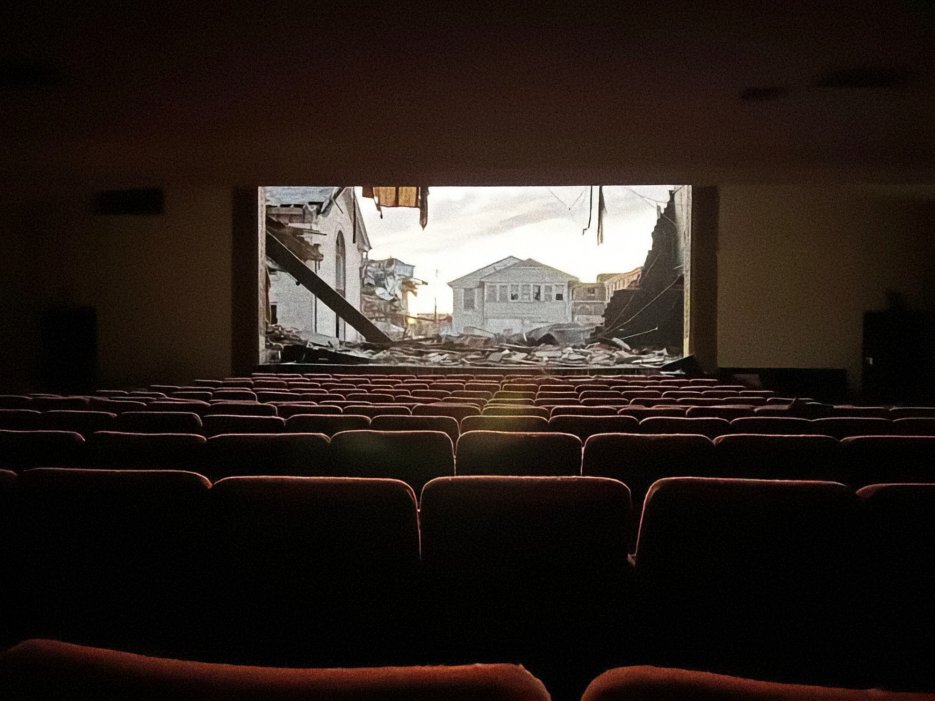
■ The concealment of climate change
by Hugues Draelants
Why scientific knowledge does not trigger the required political action ? Beyond denial or powerlessness, the cause is perhaps more profound in the structural concealment of our conditions of existence.
Reviews
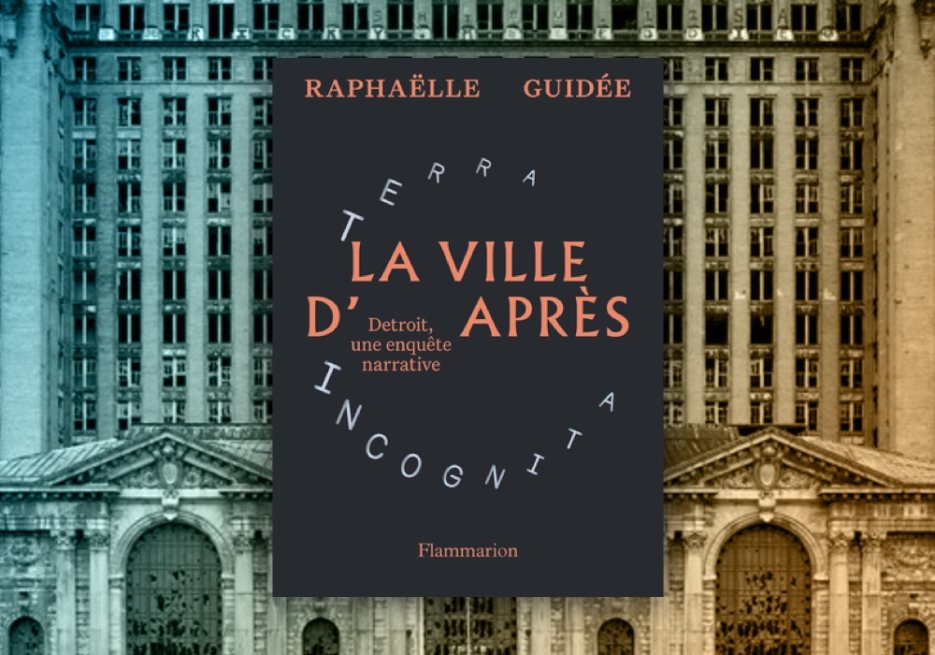
■ Detroit, ruins and rebirths. About: Raphaëlle Guillée, The city after. Detroit, a narrative investigationFlammarion
by Flaminia Paddeu
Detroit has long been a shrinking city, symbolizing the decline of industrial capitalism. Today it is a resurgent city, where forms of urban agriculture are being established. But how can we talk about all these aspects? ?
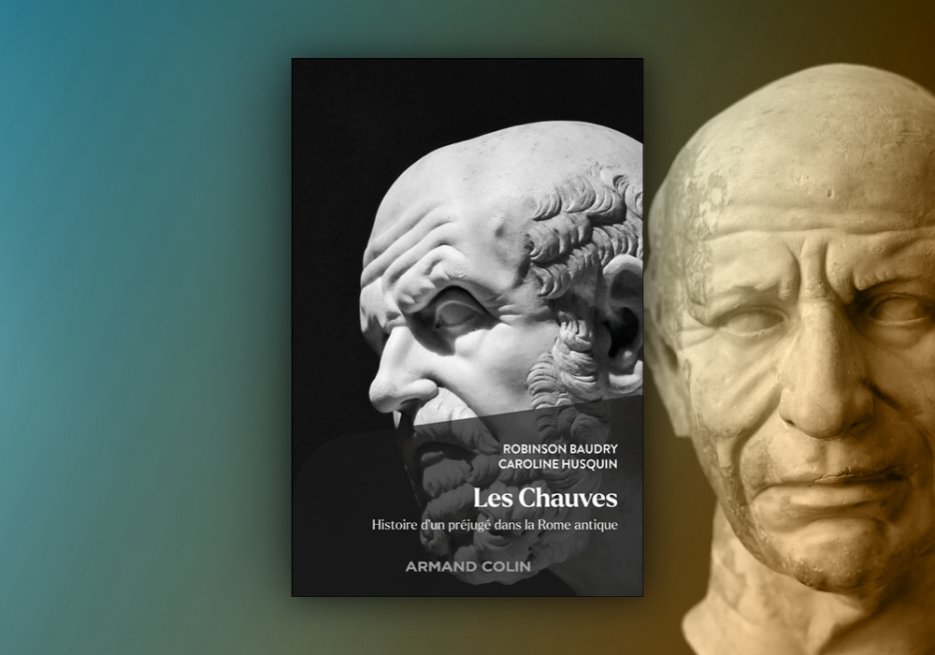
■ Veni, vidi, baldness. About: Robinson Baudry, Caroline Husquin, The Bald Ones. History of prejudice in ancient RomeArmand Colin
by Kevin Bouillot
In ancient Rome, bald people were victims of many stereotypes: they were accused of being dried out, sterile, stingy or even sexually overactive. So much far-fetched reasoning.
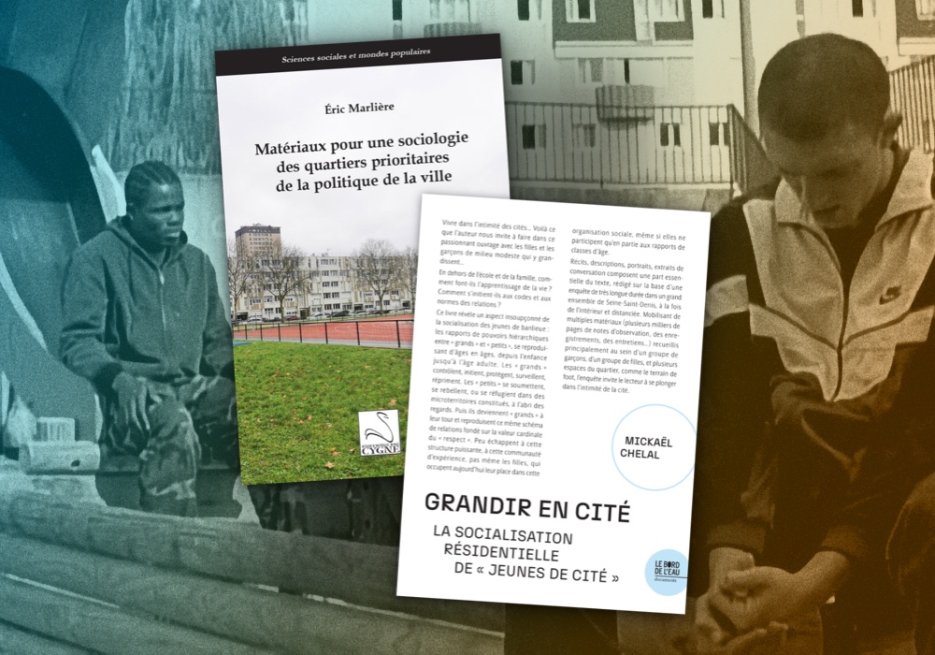
■ Ethnography of French working-class neighborhoods. About: Mickaël Chelal, Growing up in the city. The residential socialization of “ city youth »The water’s edge ; Eric Marlière, Materials for a sociology of priority neighborhoods of city policyÉditions du cygne
by Ulysse Rabaté
Working-class neighborhoods today occupy a central place in public debate but also in the cultural landscape. The cross-reading of two works opens up avenues for reflection.
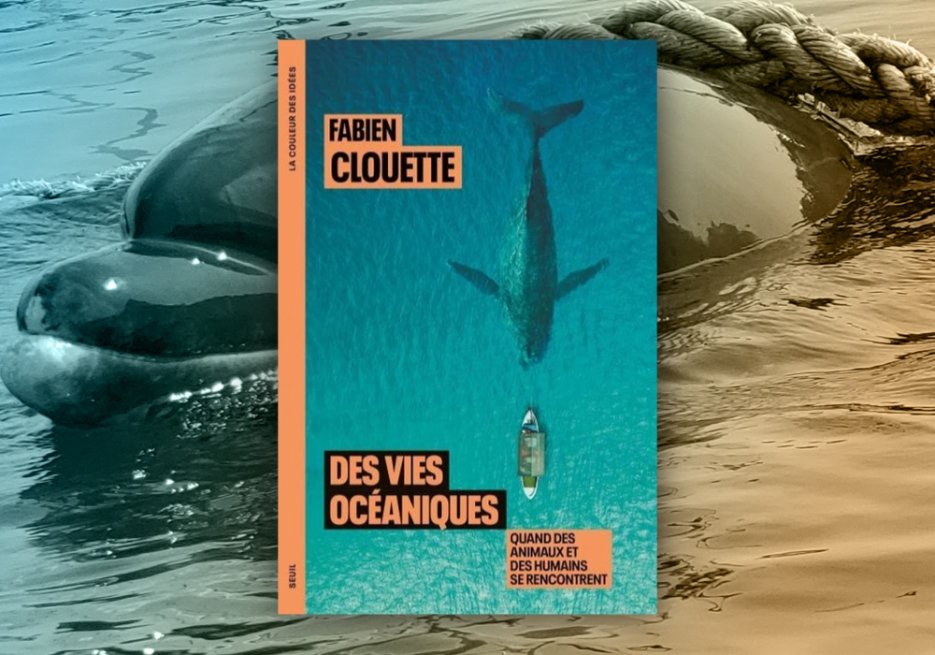
■ Seals, the anthropologist and cetaceans. About: Fabien Clouette, Ocean lives. When animals and humans meetThreshold
by Morgan Jouvenet
The marine spaces studied by anthropologist Fabien Clouette show how humans and animals coexist. The latter is then sometimes referred to its wild nature, sometimes to anthropomorphized characteristics.
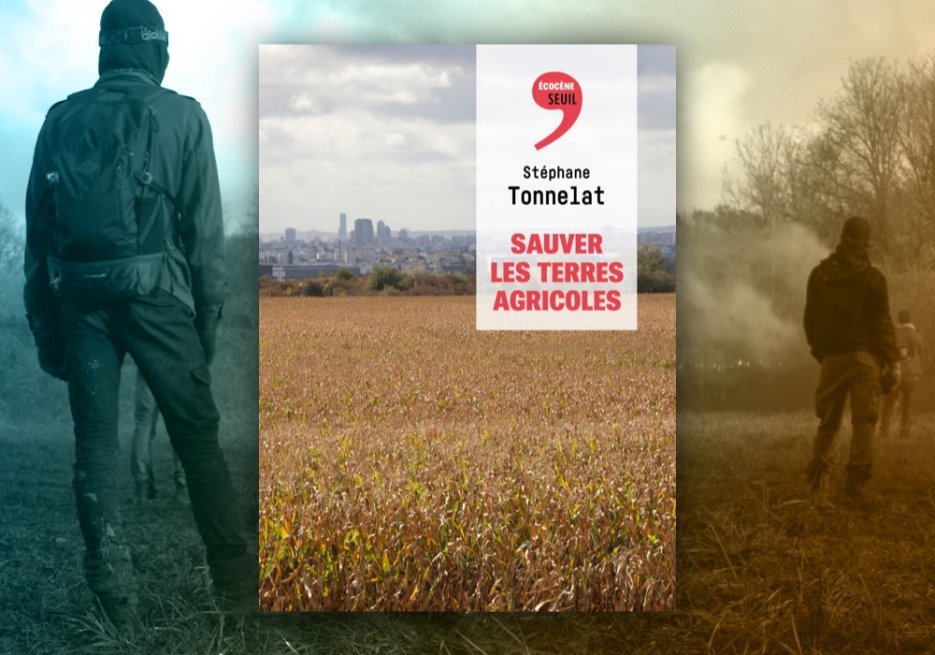
■ A fight against concrete. About: Stéphane Tonnelat, Save farmlandThreshold
by Gaëlle Ronsin
Based on an ethnography of the mobilization against the EuropaCity shopping center, Stéphane Tonnelat sheds light on contemporary forms of environmental commitment. The work unfolds the reasons to oppose the artificialization of land and analyzes the ordinary sources of these struggles.
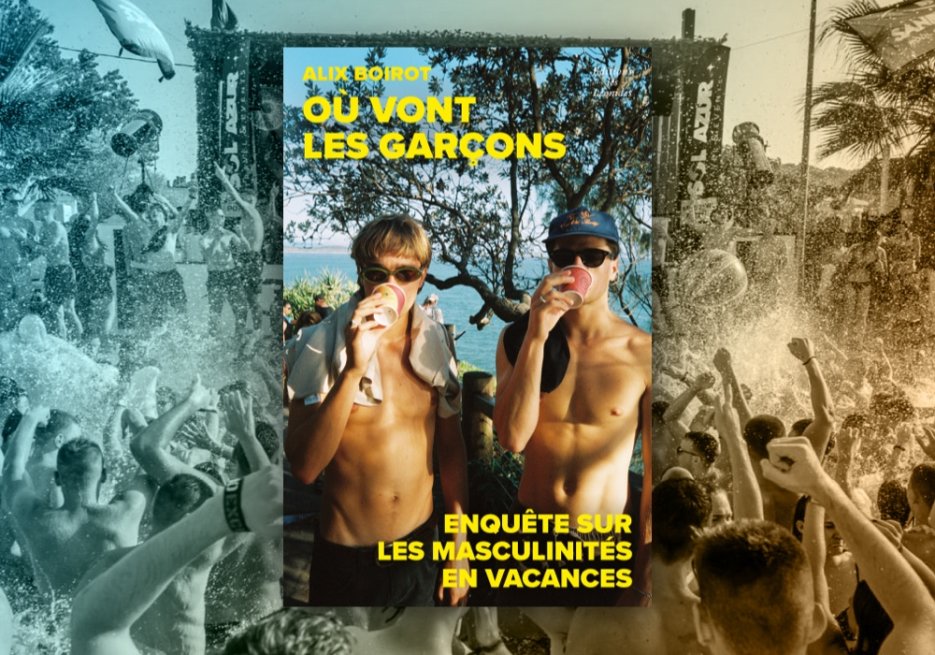
■ Tourism and virilism. About: Alix Boirot, Where the boys go, Survey on masculinities on vacationThe Leonids
by Ivanne Galant
Focusing on the seaside resort of Lloret de Mar in Spain, an anthropologist studies male sociability in a context where alcohol, partying and sex structure imaginations. When “ tourism » rhymes with “ virilism »…
Interviews
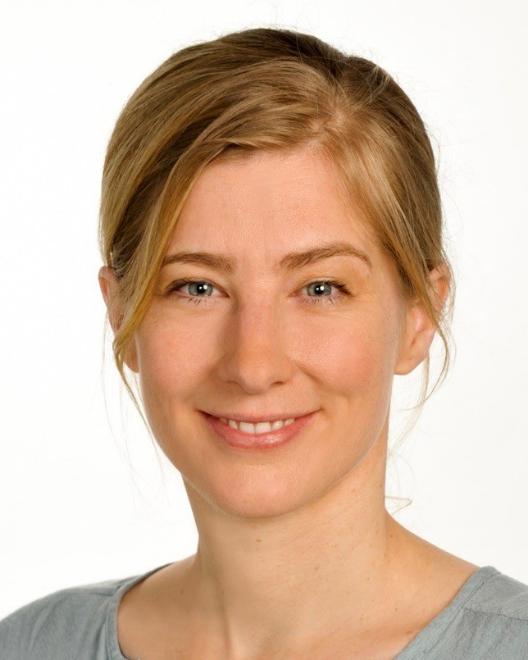
■ Trump and the big bosses. Interview with Janick Marina Schaufelbuehl
by Marieke Louis
The alliance “ Trump-Musk » has obscured the more conflictual history of relations between the Republican Party and big business in the United States. At the heart of the tensions: the protectionist measures of Republican presidents, going against the liberal agenda defended by the leaders of multinationals.
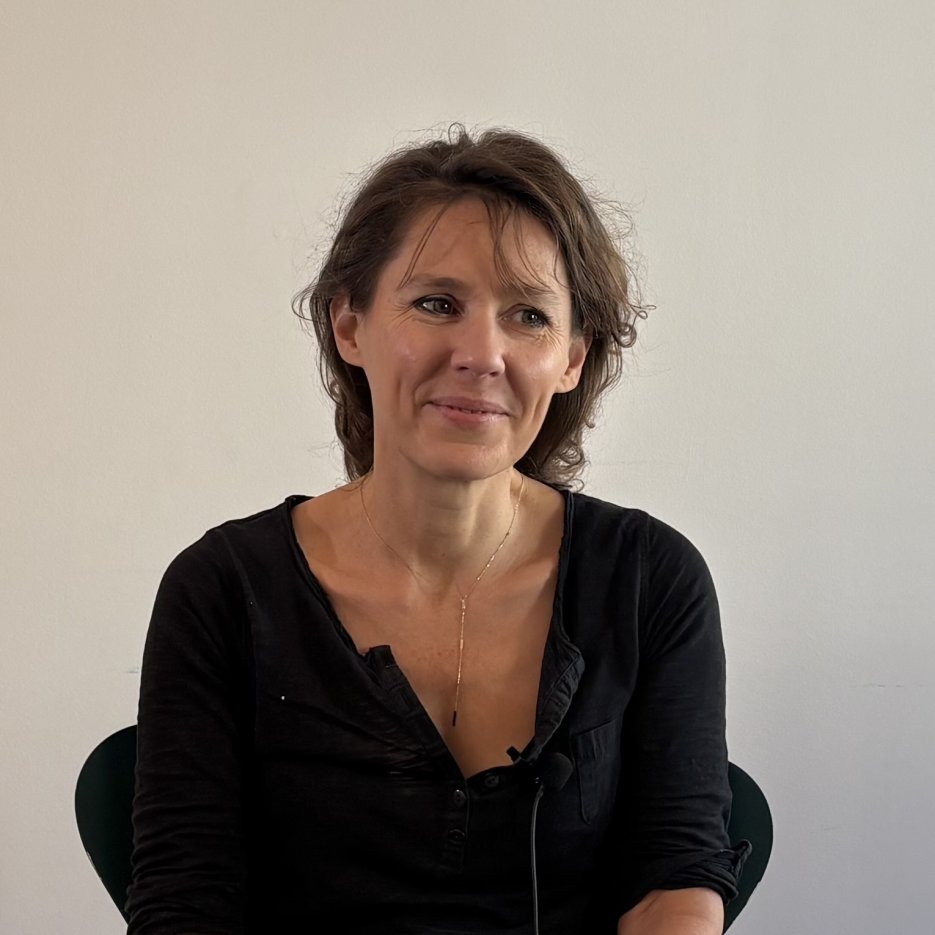
■ Where is poverty going in France? ? Interview with Axelle Brodiez
by Nicolas Duvoux
The idea of poverty, as it is understood today, results from a construction that has a history. Historian Axelle Brodiez underlines the importance taken by certain particularly disadvantaged groups, and outlines the responses to this social fact.
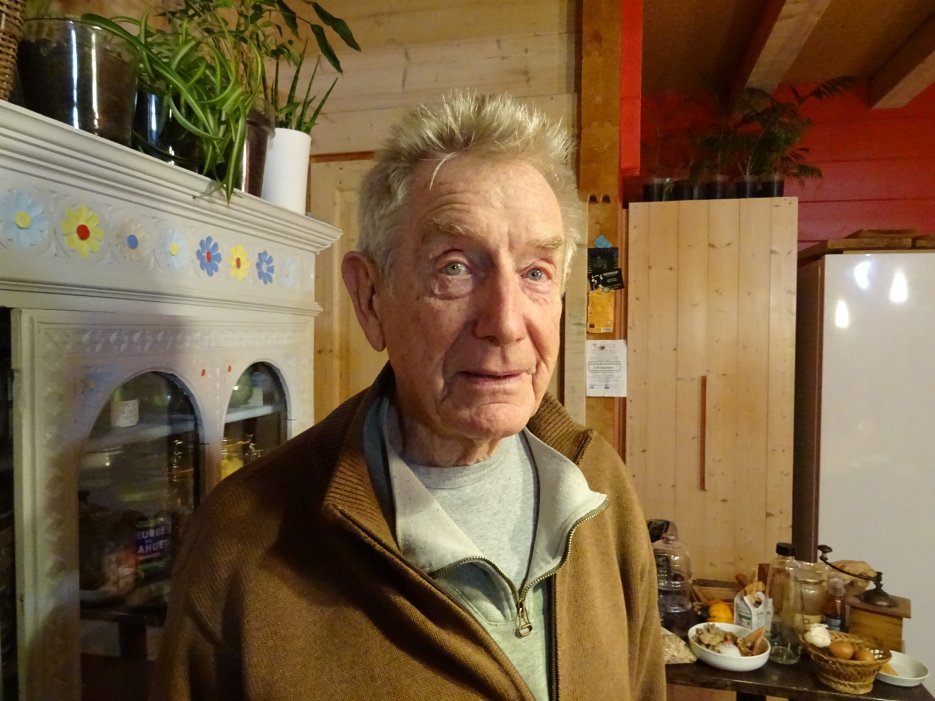
■ Lessons from the garden in motion. Interview with Gilles Clément
by Laurent Aucher
Against technical domination which standardizes environments, Gilles Clément calls for ecological humility: dealing with living things rather than dominating them. In his “ garden in motion », randomness and diversity reveal our interdependence with the earth.

■ Israel/Palestine, what alternatives to the two-state solution ? Interview with Robert Malley
by Marc André, Sung Eun Choi
Why have international negotiators been so attached, despite repeated failures, to the two-state solution to find a solution to the conflict in the Middle East? For Robert Malley, in a profoundly new world, everything must be reviewed to rebuild from the debris.