

All summer long, Le Grand Continent will stay in motion. Every day, we will bring you, wherever you are, ideas you won’t find anywhere else (but which will be everywhere at the start of the school year), texts that are hard to find or refreshing with our Sundays. To receive them directly in your inbox and support this momentum, consider subscribing to the magazine.
The images and the numbers are striking: between 40,000 and 50,000 migrants arrived in a few days, with at least 19 deaths. To understand this sequence, where do you start?
From the geopolitical situation of this European Union exclave on African soil.
It is an absolute exception: there is no other situation of this kind. Ceuta and Melilla belong to the official European Schengen area; their border with Morocco constitutes an external border — whereas, for instance, the French overseas departments do not belong to it. The only peculiarity is that identity and document checks are maintained on the maritime and air connections between the two cities and the peninsula.
There is, therefore, first this fact: an European exclave on African soil, with a land border. The dimension is geopolitical, because it is primarily geographic. A maritime border is much easier to control than a land border, where one can simply cross on foot. Added to this is a sort of exception to decolonization: the north of Morocco was a colonial space, and Spain kept these two cities.
The today’s crisis, with its tens of thousands of entries, is thus spectacular but it will recur regularly as long as Spain retains these territories. There is no surprise; it is geopolitical and structural.
Indeed, it is the only land border of the Union with Africa, and it remains a contested border, since Morocco claims sovereignty over the entire formerly colonized territory.
Morocco claims this sovereignty, but we are not in a state of war, or even of tension: Spain and Morocco cooperate. Simply, this cooperation is not enough to contain the urge to migrate to Europe from parts of Africa. Anyone who, by ideology, claims that open borders would not lead to more migrations is contradicted by what has just happened. Absolutely contradicted.
What is, however, confirmed, is that outside this very particular situation, the European system of migration control does not function badly.
The imagery of a migrant flood, which you have worked on extensively, is nevertheless fed by these images…
Of course, but for me it is exactly the opposite: this event disproves it. 40,000 arrivals in one day is incomparable with what is observed elsewhere: for all of 2025, Frontex recorded about 178,000 irregular crossings across all of the Union’s external borders — the lowest level since 2021. The apparent “explosion” in numbers is only due to an extremely particular geopolitical configuration.
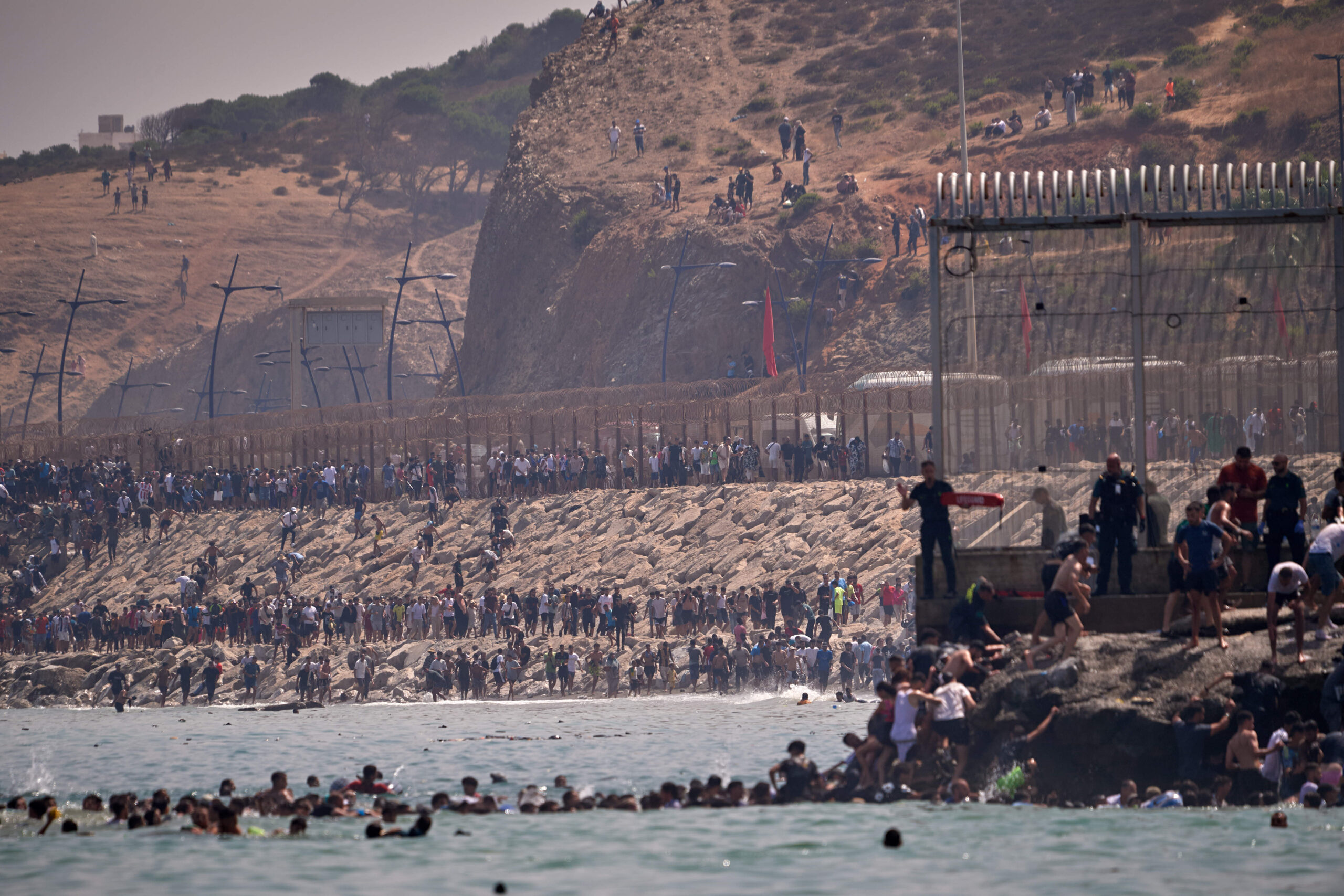
For the rest, there is no deluge: there are flows, rather well managed, fairly well handled — and which can be managed even better, of course — sometimes at the cost of poorly crafted measures. Everything must be checked, from a standpoint of controls as well as respect for human rights, of the European Convention on Human Rights, which is one of the absolute limits that Europe must set for itself — and indeed does.
What is happening in Ceuta shows precisely that it is only under exceptional circumstances that this regime fails. Obviously, this crisis will reinforce a discourse and a general representation coming from the far right. That is precisely why I warn: it is tied to an abnormal situation that in no way reflects the ordinary management of migratory flows in Europe.
Should this crisis be interpreted as a Moroccan response to Pedro Sánchez’s visit to Algiers on July 20, and to the reconciliation between Spain and Algeria after years of rift, Spain having supported the Moroccan plan for Western Sahara? Is this the return of the “migrant blackmail”?
I do not at all believe in this interpretation, which, without objective data, amounts to pure intellectual speculation. A major fact actually contradicts it: yesterday, Morocco was in the middle of a public holiday, Throne Day. This crisis could not have come at a worse moment for the Kingdom. Imagining that the king or Moroccan authorities orchestrated or favored this crisis at this time is absolutely implausible.
The sociology of those who leave could confirm this point…
Of course, we must remain prudent: I have not on-the-ground investigations, and images of young men swimming across do not by themselves establish a profile. But it seems established that they are very largely Moroccans. And if they want to leave their country, it is because they see no future there. It is a real problem for Rabat, and there is nothing to boast about. Moreover, to reach Ceuta, one must pay for transport, sometimes via smugglers: resources are required. So it is probably not the poorest youth in Morocco, but rather educated youth who cannot find employment.
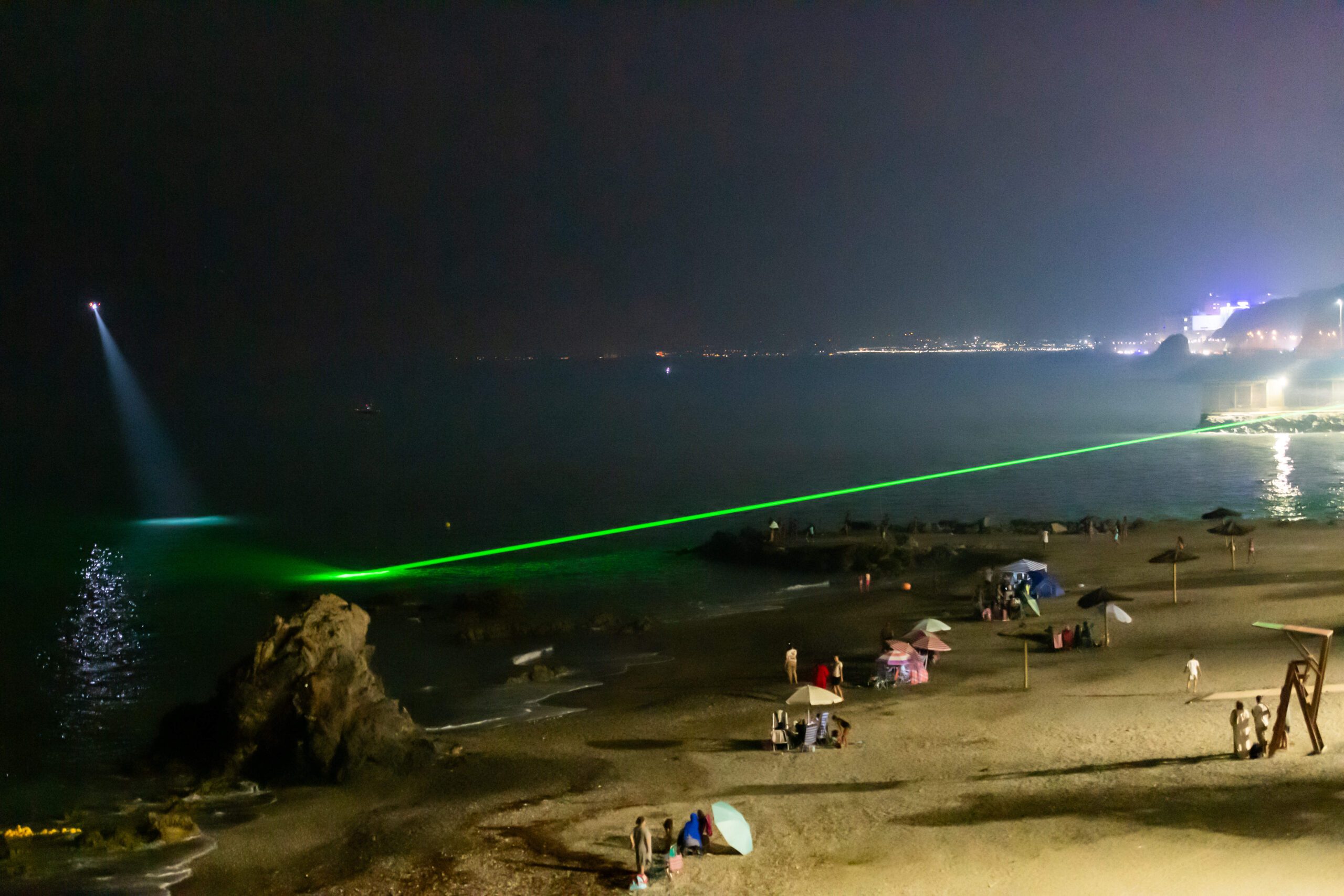
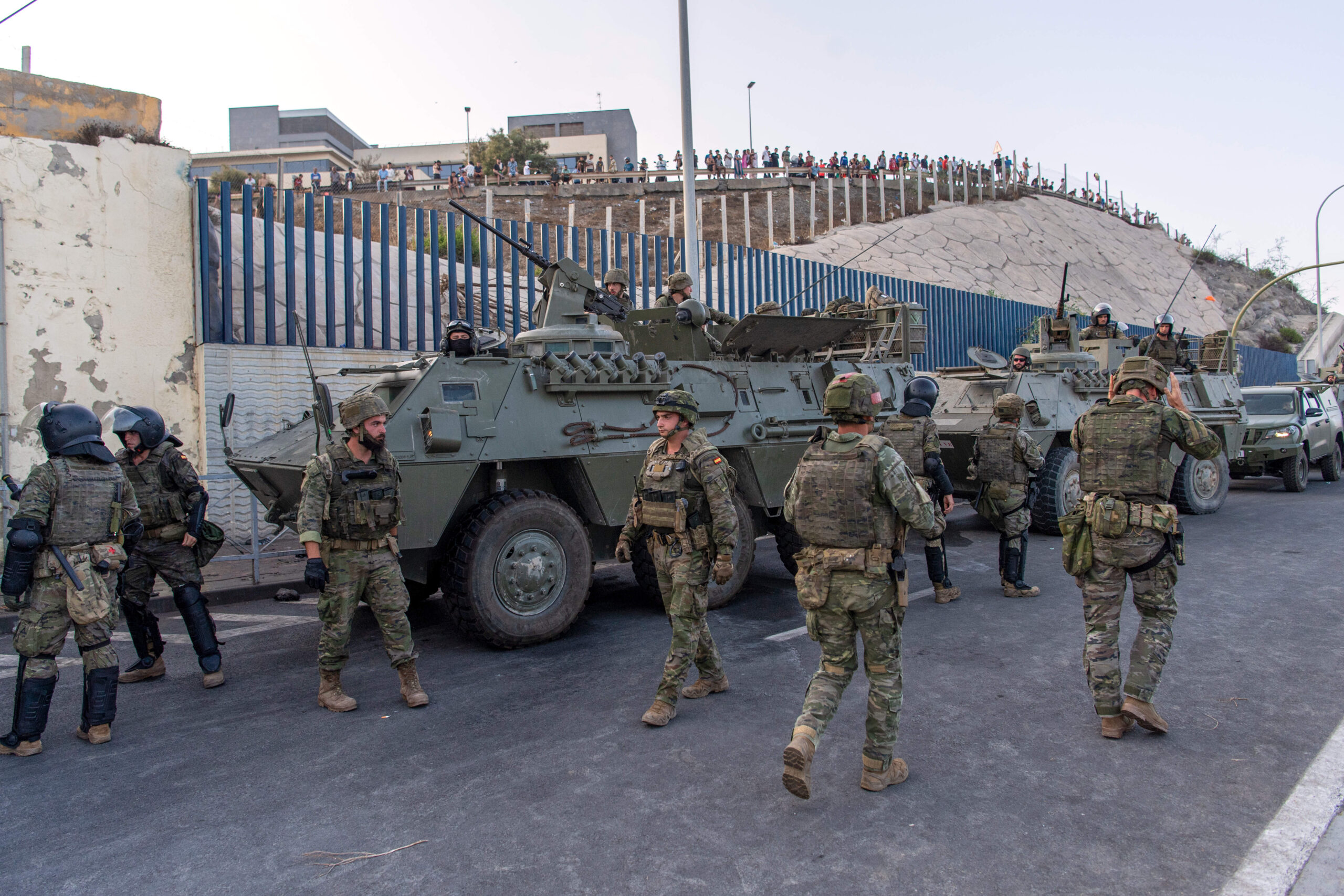
These entries may have been facilitated by smugglers and traffickers, on both sides, operating in these two cities, highly attractive for them, perhaps with the complicity of officials. Tax-wise, they constitute a kind of free-trade zone: VAT does not apply there, and the very low taxation for a long time allowed trafficking with the neighboring Morocco. Yet these territories of fiscal exception remain fully within Schengen. There is a form of absurdity here: Europe could demand that Spain make them equally exceptional from a migratory standpoint.
Concretely, how would this work?
It would involve stricter rules. For example, asylum and residence permit requests could be mandatorily processed on site and not on the European territory of Spain as border applications, as if they were outside the Schengen area. The installation of physical deterrent devices against asylum requests by sea, authorized by the ruling of the Spanish court, should be carried out. All of this with the support and oversight of the European Union.
The Trump administration seems to have made the transfer of these Spanish territories to Morocco one of its objectives. A report from the powerful House of Representatives Appropriations Committee recently stated that Ceuta and Melilla, “administered by Spain, are located on Moroccan soil,” and backed the State Department’s work “concerning the future status of these cities.” What is the United States’ role in this crisis?
The real question is who is instrumentalizing this moment. Did Morocco align itself with Washington to push its claim? I see no signs today. It has been said: this crisis is not flattering for a country that enjoys a genuine image of development and growth. I therefore do not believe Rabat took up the American proposition thinking that what the Kingdom needed was an escalatory border move with Spain.
It is rather the Trump administration that believes it has found a favorable moment to try to destabilize Spain.
In a post on X that has since been removed, Israel’s ambassador to the United Nations, Danny Danon, quipped about Spain “never missing a chance to lecture Israel” and would do better to “explain to the world why it still maintains colonial enclaves in Africa”… Do you think this international pressure could have an effect on the exclave?
That political opponents of Spain seize the opportunity, in various international forums, to challenge its presence on these territories, is entirely logical. But what happened is independent of these political instrumentalizations.
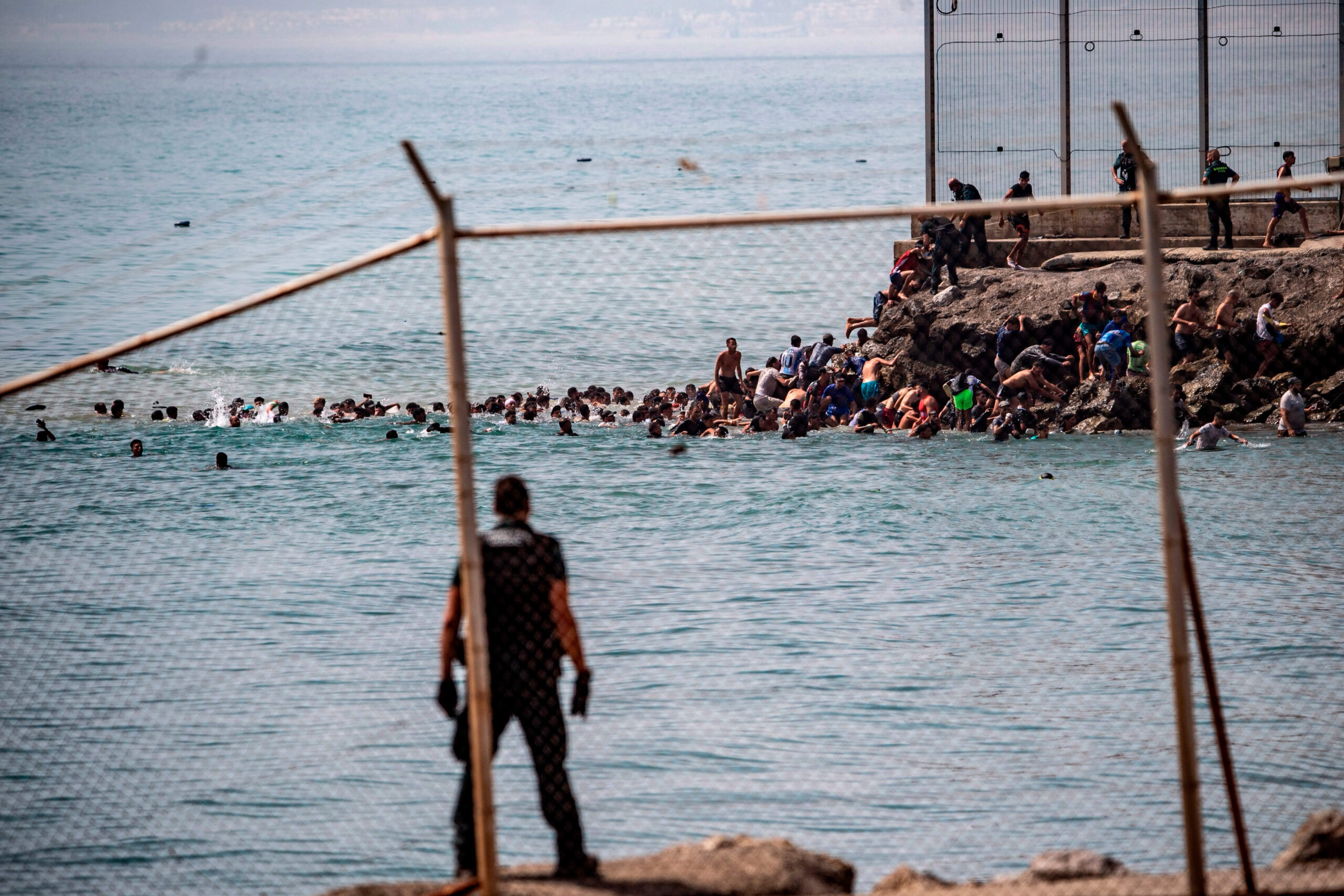
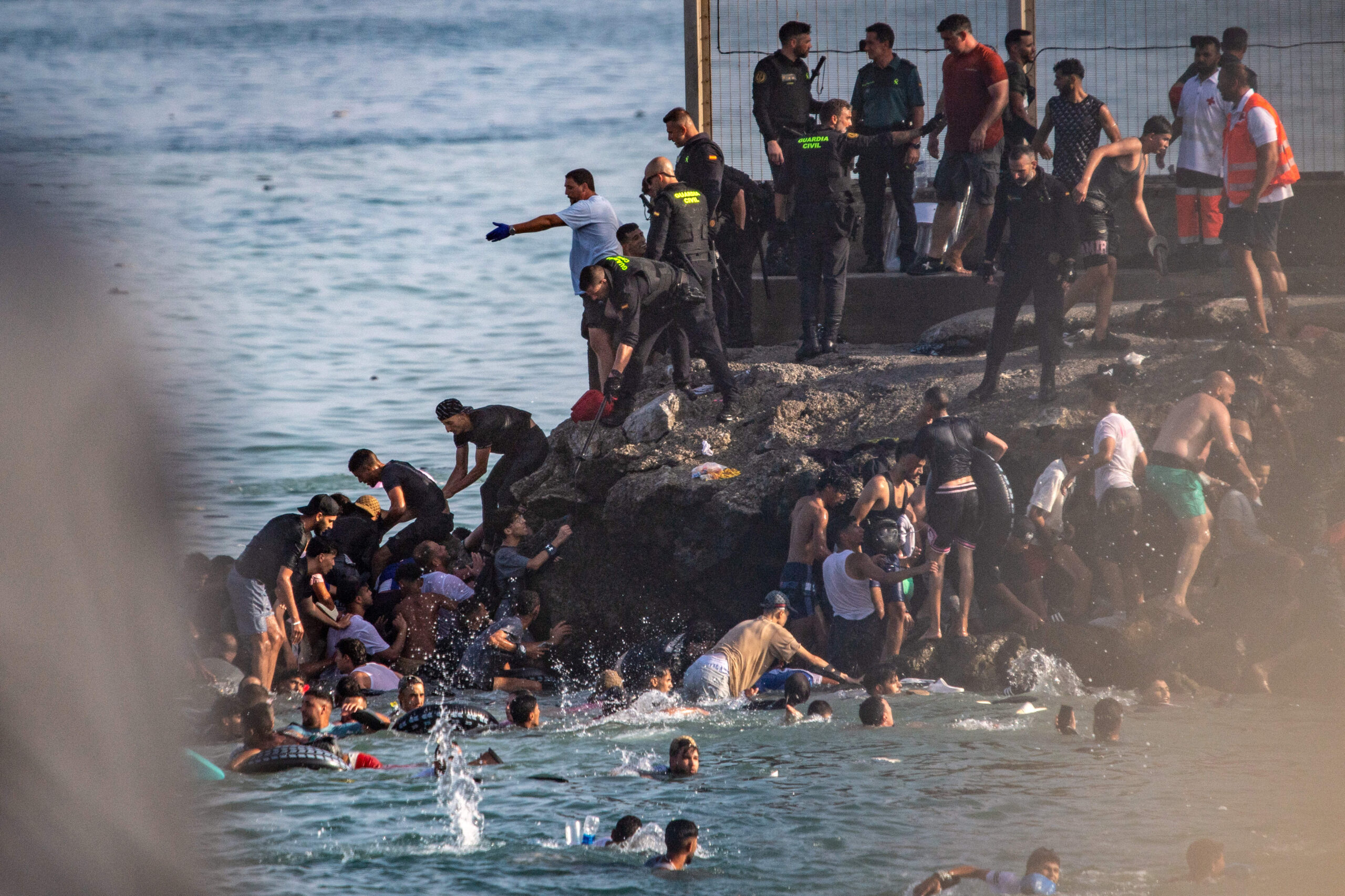
Because, beyond the conjuncture, there remains a structural question: will Spain be able to remain sovereign over this part of the African continent for long — not a remote island off Africa, but a real fragment of the continent? This is a very old matter, rooted in the history and politics of Morocco and Spain and the Iberian Europe (as Ceuta and Melilla were initially Portuguese), and I do not wish to intervene. But, seen from the outside, the durability of this situation is in question.
Let’s move to Schengen. Giorgia Meloni has threatened to “suspend the Schengen agreement with Spain”.
The Meloni government is reacting to a public opinion inflamed by images circulating widely on the networks of the international far right, which call on it to take a stand. But beyond this purely political logic, that stance is absurd.
Why?
Will the people who just arrived in Ceuta really be able to move on to mainland Spain? Apparently not, since Morocco and Spain have agreed to repatriate them.
Then, for those who would be transferred to continental Spain, before reaching Italy, the migrants would have to pass through France. And France, within the framework of what Schengen allows, has reestablished border controls for more than ten years now, and controls at the Spanish border can be strengthened immediately.
Above all, one must take the true measure of what is happening.
In what sense? Would you not call this a crisis?
It is a very significant crisis for the Ceuta and Melilla territories; it is a test for Morocco and Spain that they seem to handle together. For the Union, this is not the case.
Take France as an example: I remind you that every year, more than 100 million foreigners enter the French territory alone — I’m not even talking about the Union or the Schengen area — and the vast majority of them leave again, or stay legally after going through the normal procedures.
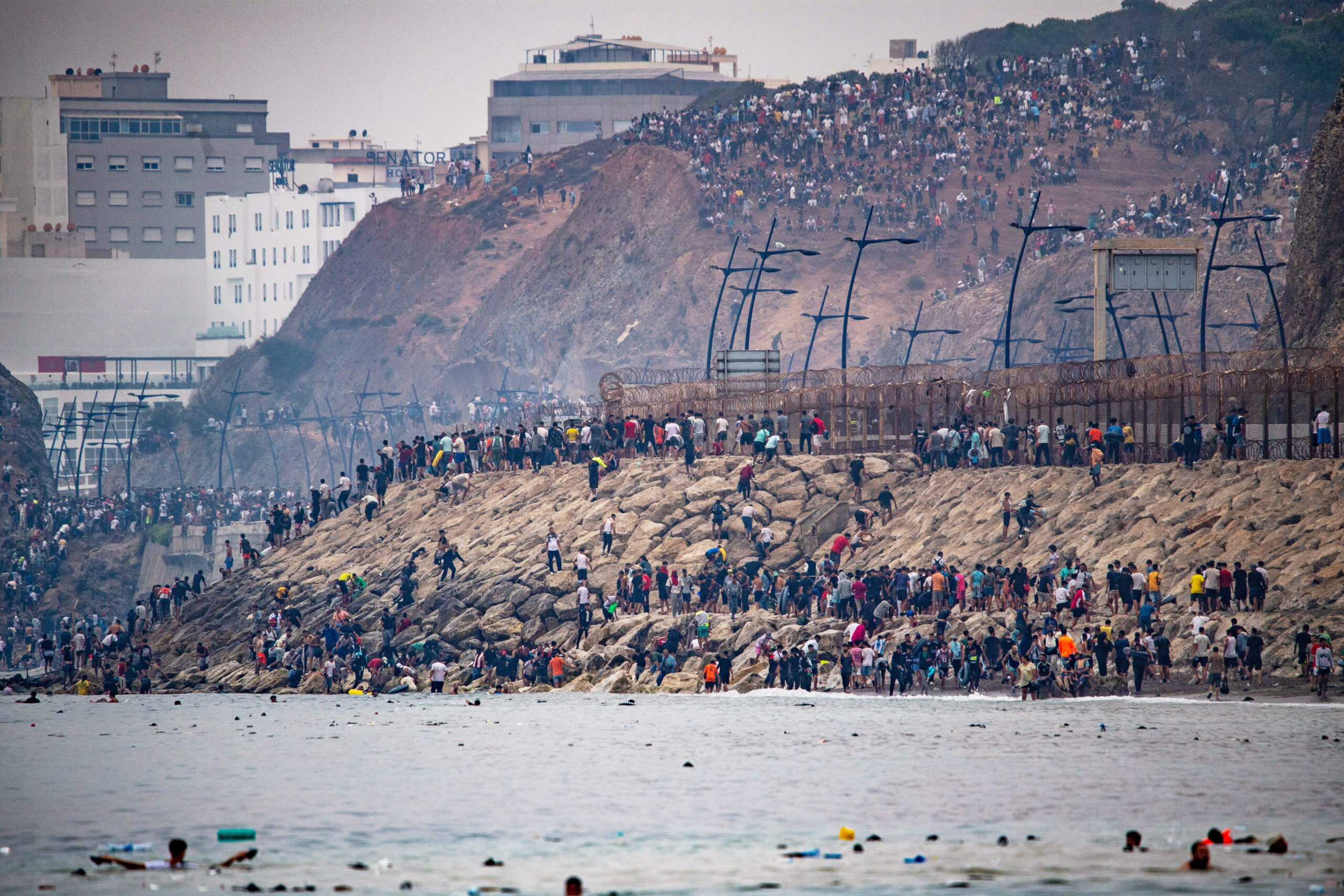
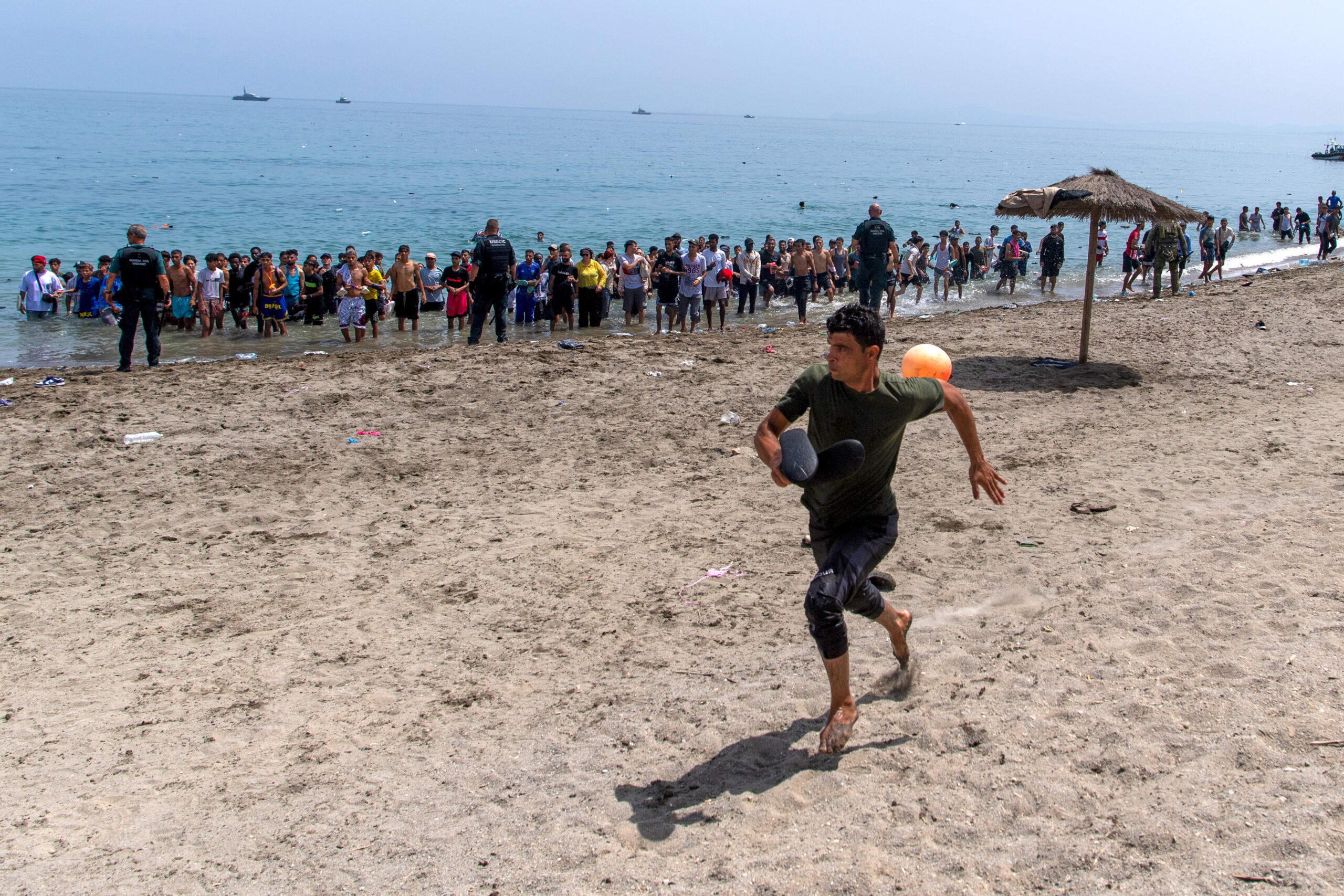
There is therefore a need to keep perspective in the face of the myth of a deluge. It is summer: look around you. The only deluge visible is that of tourists — and no one panics about it: locals, shopkeepers and hoteliers welcome them with open arms.
Does the Ceuta and Melilla crisis say something about the European strategy of externalizing migratory control?
It says rather that this strategy holds. In Ceuta, moreover, we are not dealing with outsourcing: it is a structurally dysfunctional geopolitical situation that Spain and Morocco are trying to manage pragmatically together.
“The weaponization” of migration, as a pressure instrument by third States — isn’t it relevant to read this sequence?
The Union is embedded in structural relationships with neighboring countries tasked with blocking immigration to Europe; they thus have margins of pressure on it, including on other issues beyond migration.
This is what this affair can remind Europe: the importance of these agreements and the power they give to the states that guard them. But this cooperation, for now, works.